
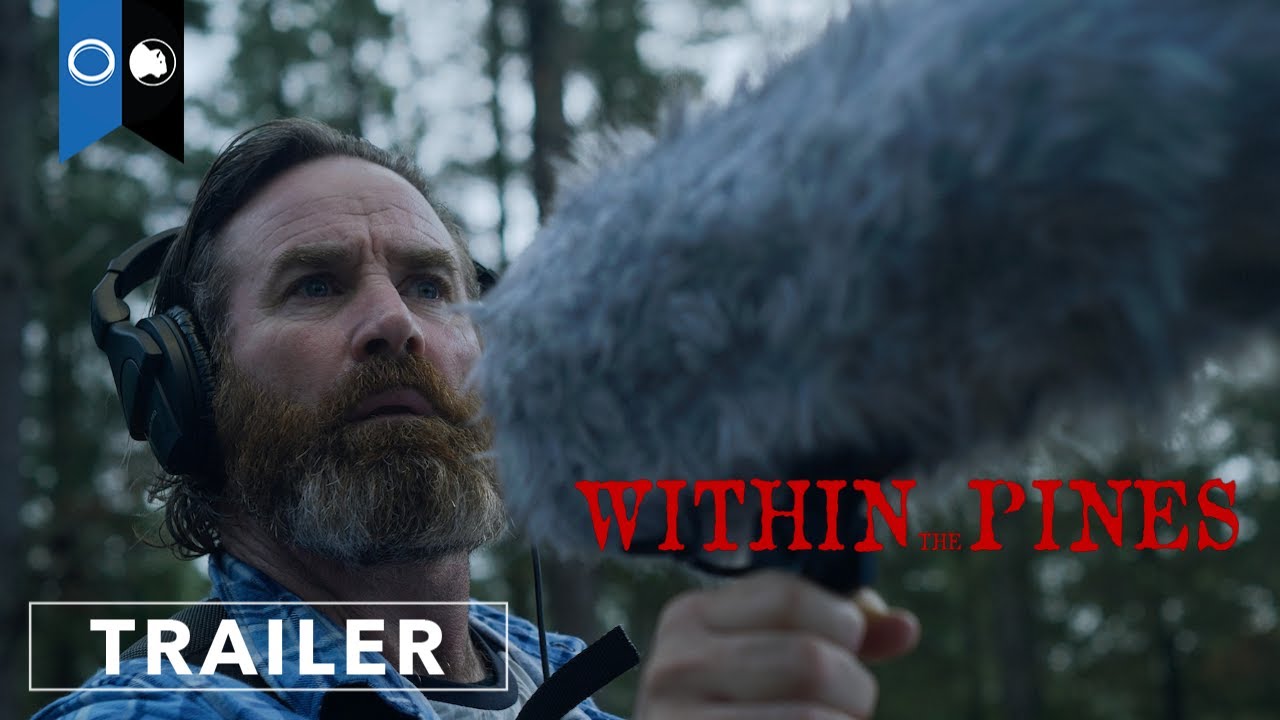
A minimalist survival thriller driven by sound, isolation, and primal fear
Silence in the forest hides something watchingEvery sound could be your last
A lone sound recordist ventures deep into an isolated forest, only to capture an unsettling noise that signals he is no longer alone. The stakes quickly shift from curiosity to survival, as the tone moves into psychological tension and primal fear.
The film builds its emotional weight through isolation and sensory perception rather than dialogue. Narrative tension emerges from the unknown, as the protagonist is forced to interpret sounds that may signal danger or deception. Symbolically, the forest becomes a space of disorientation and vulnerability, where technology meant to observe becomes a tool of dread. The story frames sound not just as atmosphere, but as a trigger for fear and survival instinct.
Why It Is Trending: A rising interest in minimalist horror driven by atmosphere and sensory immersion
The film is trending due to its alignment with the growing demand for stripped-down, atmospheric horror experiences. Audiences are increasingly drawn to films that rely on tension, sound design, and psychological unease rather than traditional jump scares.
Its cultural timing reflects a broader fatigue with formulaic horror and a shift toward more immersive storytelling. The film’s distribution across streaming platforms enhances accessibility and discovery. Its appeal lies in its simplicity and its ability to create fear through minimal elements. From a market perspective, it fits into the expanding niche of indie horror that prioritizes creativity over scale.
Elements Driving the Trend: Sound-driven storytelling and minimalist narrative construction
The core appeal of the film lies in its unique use of sound as a narrative device. Instead of relying heavily on visuals, it builds tension through what is heard rather than seen.
The narrative hook is immediate and effective, centered on a single mysterious sound that drives the entire story. The performance of Brendan Cooney anchors the film, maintaining engagement despite limited interaction with other characters. The minimalist format makes it accessible while reinforcing its immersive quality. This combination strengthens its position within the indie horror space.
Virality of Movie (Social Media Coverage): Atmosphere-driven clips and discussion around ambiguity
The film has gained modest attention through discussions about its ambiguous narrative and sound design. Clips focusing on tense moments and eerie audio cues have circulated among niche horror communities.
Online engagement centers on interpretation, with audiences debating the meaning behind key scenes and the film’s ending. This ambiguity supports continued discussion.
Critics Reception: Divided response highlighting strong atmosphere but weak narrative clarity
Critical reception has been mixed, with praise for its tension-building and audiovisual execution but criticism of its lack of narrative depth. Publications like JoBlo.com highlight its strengths in suspense while noting its storytelling limitations.
The film is positioned as an atmospheric experience rather than a traditionally structured narrative.
Awards and Recognitions: Festival recognition emphasizing its strength in independent filmmaking
The film has received recognition at the Flickers’ Rhode Island International Film Festival, winning Best Feature Film.
This award positions it as a noteworthy entry within the indie horror circuit, highlighting its craftsmanship despite mixed reception.
Director and Cast: A focused vision supported by restrained and immersive performances
Paul Evans Thomas adopts a restrained directorial approach, prioritizing mood and sensory experience over exposition. His intent is clearly rooted in creating tension through minimalism.
Brendan Cooney delivers a performance centered on physical presence and reaction, carrying much of the film’s emotional weight. Supporting roles are minimal but contribute to the overall sense of unease. The acting style aligns with the film’s subdued and immersive tone.
The film trends because: A minimalist horror approach focusing on sensory tension and psychological fear
Atmosphere-first storytelling drives the film’s appeal, aligning with audience demand for immersive experiences. It represents an industry opportunity within low-budget, high-concept horror. Audience alignment is strongest among niche viewers seeking unconventional narratives.
The industry continues to explore minimalist formats that maximize tension with limited resources.
Conclusion: A visually and sonically driven thriller that reflects evolving horror storytelling trends
The film’s narrative strength lies in its ability to create tension through simplicity. Its emotional positioning is rooted in isolation and sensory fear.
Culturally, it reflects a shift toward more experimental and immersive horror experiences. From an industry perspective, it reinforces the viability of low-budget, concept-driven filmmaking in the streaming era.
What Movie Trend Is Followed: Minimalist atmospheric horror focused on sensory tension and psychological fear
Within the Pines follows the trend of minimalist horror that prioritizes atmosphere, sound, and psychological unease over traditional narrative complexity. These films often rely on isolation, ambiguity, and limited characters to create a deeply immersive experience.
The trend emphasizes what is unseen and unheard as much as what is presented, allowing the audience’s imagination to heighten fear. It resonates because it strips horror down to its most primal elements, focusing on vulnerability and perception.
Accessibility is driven by simple setups and contained environments, making the concept easy to engage with. The emotional framing centers on anxiety, anticipation, and the fear of the unknown, making it universally effective.
Trend Drivers: Growing demand for immersive, low-budget horror with strong atmospheric identity
Audiences are increasingly drawn to horror that feels intimate and immersive rather than spectacle-driven. This has created demand for films that focus on tension, mood, and sensory experience.
The industry supports this trend due to its cost efficiency and creative flexibility. It allows filmmakers to experiment with form while still reaching engaged niche audiences.
What Is Influencing Trend: Audience fatigue with formulaic horror and desire for originality
Viewers are becoming less responsive to predictable horror tropes such as jump scares and repetitive storylines. This has driven a shift toward more experimental and atmospheric approaches.
Cultural influences include a growing appreciation for slow-burn narratives and psychological storytelling. Emotional drivers include curiosity, suspense, and the need for a more immersive viewing experience.
Macro Trends Influencing: Rise of indie horror and platform-driven content discovery
The broader industry is seeing a rise in independent horror projects gaining visibility through streaming platforms. This allows smaller films to reach global audiences without traditional distribution barriers.
Culturally, there is a movement toward valuing originality and creative risk. Lifestyle changes, including increased streaming consumption, support the growth of niche genres.
Consumer Trends Influencing: Preference for immersive, discussion-driven and interpretative content
Audiences are engaging more with films that invite interpretation and discussion. This includes stories with ambiguous narratives and open-ended conclusions.
Content that creates a strong sensory or emotional reaction is more likely to be shared and discussed. Viewers are seeking experiences rather than straightforward storytelling.
Audience Analysis: Niche horror enthusiasts and viewers seeking experimental storytelling
The primary audience includes horror fans aged 18 to 45 who are open to unconventional narratives and slower pacing. These viewers often seek out indie films and engage with genre-specific communities.
Their lifestyle includes high streaming usage and interest in discovering unique content. Viewing habits are driven by recommendations, reviews, and online discussions. Preferences lean toward originality, atmosphere, and psychological depth.
Conclusion: A trend defined by minimalism, immersion, and creative storytelling freedom
This trend works because it taps into fundamental human fears using simple but effective techniques. Its scalability lies in its low production requirements and universal themes.
Its sustainability is supported by ongoing demand for originality and immersive experiences. The industry is likely to continue expanding this space, reinforcing its importance within modern horror.
Final Verdict: A minimalist thriller that prioritizes atmosphere over narrative clarity, delivering tension with uneven payoff
Within the Pines positions itself as a sensory-driven horror experience that leans heavily on sound design and isolation to create tension. It reflects a growing segment of the genre that values mood and immersion over traditional storytelling structure.
From an industry perspective, it signals the continued viability of low-budget, concept-driven horror that can generate impact through craft rather than scale. Its identity relevance lies in its alignment with experimental storytelling approaches that challenge audience expectations.
However, its long-term impact is limited by its narrative ambiguity, which may alienate broader audiences. While effective in moments, it ultimately functions more as an atmospheric exercise than a fully realized story.
Audience Relevance: A niche experience appealing to viewers seeking tension over narrative
The film resonates most with audiences who prioritize mood, sound, and atmosphere in their viewing experience. It offers a sense of immersion that appeals to viewers comfortable with ambiguity.
At the same time, it may disconnect from audiences who expect clearer storytelling and character development. This creates a divide between niche appreciation and mainstream reception.
What Is the Message of Movie: Fear rooted in isolation and the unknown rather than explicit meaning
The film suggests that fear is most powerful when it is undefined and left to interpretation. It explores how isolation heightens perception and amplifies anxiety.
Rather than delivering a clear philosophical message, it focuses on experiential fear. The absence of explanation becomes part of its thematic identity.
Relevance to Audience: Reflecting a shift toward experiential rather than narrative-driven content
The film reflects a broader audience shift toward content that prioritizes experience over traditional storytelling. It aligns with viewers interested in mood-based and sensory-driven cinema.
This relevance is strongest within niche communities that value interpretation and atmosphere. For general audiences, its appeal may be more limited.
Social Relevance: Limited societal commentary, focused primarily on individual experience
The film does not engage deeply with broader social themes, instead focusing on personal fear and survival. Its relevance is more psychological than societal.
However, it indirectly reflects modern anxieties around isolation and vulnerability. This subtle connection adds a layer of contemporary resonance.
Performance: Mixed reception driven by strong atmosphere but weak narrative engagement
The film holds an IMDb rating of approximately 4.5, indicating a generally mixed to negative audience response. Reception highlights strong technical execution but criticism of storytelling clarity.
Its performance is primarily supported by niche appreciation rather than widespread acclaim. Engagement is driven more by its concept than its narrative success.
Legacy: A minor but notable entry within the minimalist indie horror movement
Within the Pines contributes to the ongoing evolution of minimalist horror, emphasizing sound and atmosphere as core tools. It reflects a specific creative direction within the genre.
While unlikely to achieve lasting mainstream recognition, it may remain relevant within discussions of experimental indie horror. Its legacy is tied to its approach rather than its impact.
Success: Defined by artistic ambition and festival recognition rather than mainstream appeal
The film’s success is measured through its creative ambition and its recognition at the Flickers’ Rhode Island International Film Festival. It demonstrates the potential of low-budget filmmaking to achieve visibility.
Rather than commercial success, its value lies in its contribution to the indie horror landscape. It represents a niche but important segment of the industry.
Insights: A case study in the strengths and limitations of minimalist horror storytelling
Insights: The film illustrates how atmosphere can drive engagement even in the absence of strong narrative structure.Industry Insight: The industry continues to support low-budget horror due to its high creative return and niche audience engagement. This allows experimentation with form and storytelling techniques. However, balancing atmosphere with narrative remains critical for broader success.Audience Insight: Audiences are divided between those who value immersive experiences and those who prioritize clear storytelling. This creates opportunities but also challenges for filmmakers. Engagement is strongest when both elements are balanced.Social Insight: The film subtly reflects modern feelings of isolation and vulnerability. While not overtly social, it taps into underlying psychological anxieties. This adds a layer of contemporary relevance.Cultural Insight: The project contributes to a cultural shift toward experiential cinema. It highlights the growing acceptance of unconventional storytelling. However, it also reveals the limitations of abstraction without emotional grounding.
Conclusion: A stylistic experiment that reflects evolving horror trends but lacks broad impact
The film’s long-term relevance lies in its contribution to minimalist horror techniques. It reflects a broader shift toward sensory-driven storytelling.
From a system perspective, it reinforces the role of indie films in pushing creative boundaries. It highlights both the opportunities and risks of experimental approaches.
Ultimately, it points toward an industry direction where innovation must be balanced with narrative engagement to achieve lasting impact.
Summary of the Movie: A tense, sound-driven survival thriller exploring fear through isolation and perception
• Movie themes: Isolation, fear of the unknown, survival, and sensory perception — The film explores how vulnerability and uncertainty amplify human fear when stripped of control and clarity.
• Movie director: Paul Evans Thomas adopts a minimalist and atmospheric approach, focusing on sound design and environment to build tension. His style prioritizes immersion over traditional narrative structure.
• Top casting: Brendan Cooney leads with a restrained performance that relies on physical presence and reaction, effectively carrying the film’s emotional tension.
• Awards and recognition: Winner of Best Feature Film at the Flickers’ Rhode Island International Film Festival, highlighting its achievement within the indie horror space.
• Why to watch movie: A compelling choice for viewers who appreciate slow-burn, atmospheric horror driven by sound and psychological tension rather than conventional storytelling.
• Key Success Factors: Its strength lies in its ability to create suspense with minimal resources, positioning it within the growing trend of concept-driven indie horror.
• Where to watch: Released October 10, 2025, available across digital and streaming platforms depending on region.
Conclusion: A minimalist horror experience that prioritizes atmosphere over narrative clarity
Within the Pines stands as a stylistic experiment that leans heavily into mood and sensory immersion. It transforms a simple premise into a tension-filled experience driven by sound and isolation. While its narrative may not fully satisfy all viewers, its atmospheric strength remains its defining feature. It reflects the evolving direction of indie horror toward minimalism and experimentation. Ultimately, it leaves an impression as a film that values experience over explanation.






Leave a Reply