
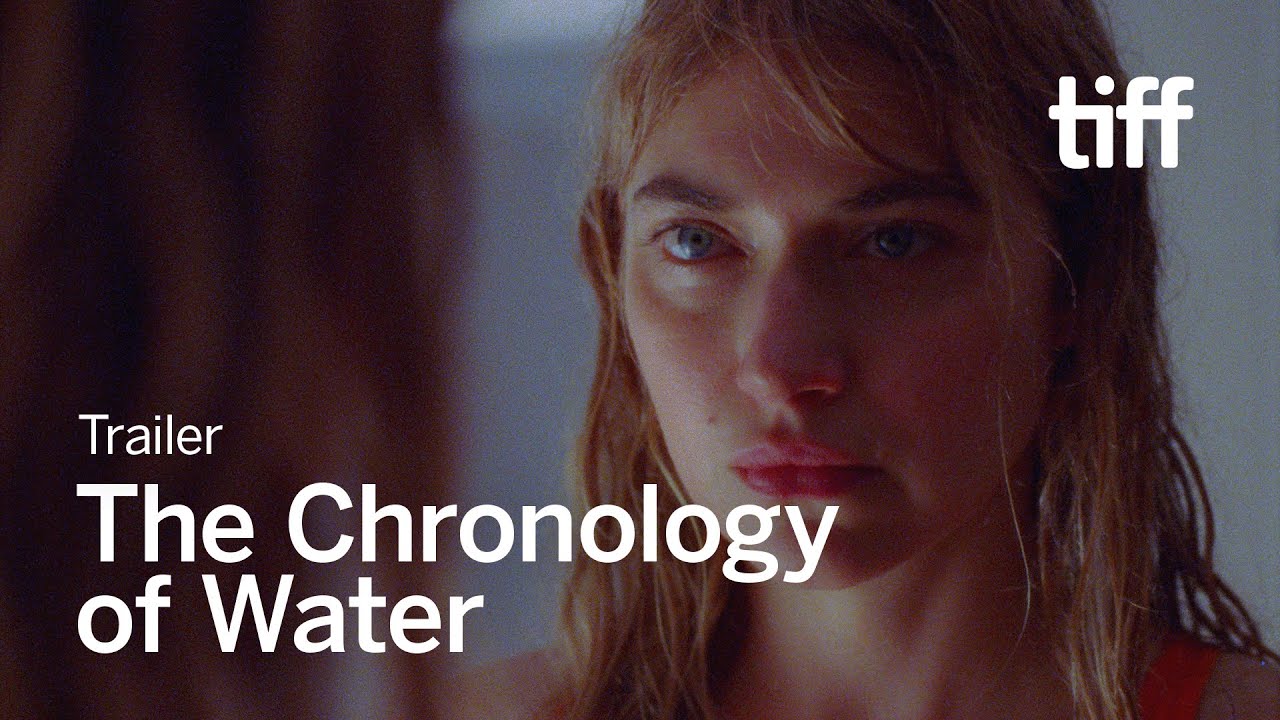
Why It Is Trending: A Star Steps Behind the Camera and Doesn’t Flinch
Kristen Stewart’s directorial debut arrives as Hollywood’s most closely watched career pivot in years — an Oscar-nominated actress choosing to make not a safe, serviceable first film, but a formally radical, emotionally uncompromising one. The film adapts Lidia Yuknavitch’s 2011 memoir about abuse, addiction, sexual experimentation, and the redemptive power of writing — territory that demanded exactly the kind of director who could inhabit pain rather than observe it. Stewart’s intimate familiarity with the material, her arthouse credibility, and Imogen Poots’ career-defining performance turned Cannes anticipation into genuine critical heat. The film received a six-and-a-half-minute standing ovation at its world premiere in the Un Certain Regard section of the 2025 Cannes Film Festival.
Elements Driving the Trend: Five Reasons This Film Made Waves Before It Hit Theatres
Five converging forces — a celebrity director with something to prove, a fearless lead performance, a Cannes platform, a culturally urgent subject, and a formal boldness rare in debut features — gave The Chronology of Water momentum that no amount of marketing could manufacture.
-
The Stewart factor — A Star Reinventing Herself in Public: An Oscar-nominated actress making a formally radical debut is inherently watchable, but Stewart earned the attention rather than trading on it — delivering a film that reframes her entire artistic identity in a single move.
-
Imogen Poots unleashed — The Performance the Industry Forgot Was Coming: Poots delivers raw, fearless work that scratches, pierces, and digs under the skin, confronting the viewer with blistering emotional intensity. It’s the performance that defines her career.
-
The memoir’s cultural weight — Yuknavitch’s Story Finally Has Its Film: Lidia Yuknavitch’s 2011 book has been a cult touchstone in feminist literary circles for over a decade, building a devoted readership that arrived at the cinema already emotionally primed.
-
Formal ambition as statement — 16mm, Fragmented Memory, No Safety Net: Stewart’s bold aesthetics — jagged edits, kaleidoscopic soundscapes and avant-garde framing — combine to depict a fractured personality in various stages of decline and rebuild. It announced a filmmaker, not just a celebrity.
-
Cannes as cultural amplifier — Un Certain Regard Puts It on the Map: Selection in Un Certain Regard positioned the film within arthouse cinema’s most prestigious conversation, lending it credibility that traveled from festival circuit to awards season to streaming audiences.
Virality: The Cannes standing ovation generated immediate social media coverage across film communities and Stewart fan bases simultaneously — an unusual cross-audience moment that gave the film cultural visibility well beyond its indie footprint.
Critics Reception: Rotten Tomatoes’ consensus reads: “Navigating a journey of emotional healing with impressive fluidity, Kristen Stewart’s feature directorial debut is ably shouldered by Imogen Poots’ bracingly naturalistic performance.” Variety called it far more artful and captivating than a standard actor-directs debut. Metacritic scored it 78, indicating generally favorable reviews.
Awards and Recognitions: 6 wins and 19 nominations total. Premiered in Un Certain Regard at Cannes 2025. Named one of Variety’s 10 Directors to Watch; Stewart received the Creative Impact Award at Palm Springs. Strong adapted screenplay buzz in early awards season conversations.
The film trends because it refuses to be a calling card — it’s a statement, and audiences can feel the difference. Stewart joins a growing tradition of actors who have made waves with their first directorial efforts, but the formal ambition here places her in a different category entirely. Distributors and streamers should recognize that arthouse biopics anchored by female literary voices represent an underserved but deeply engaged audience. The industry can respond by greenlit more adaptations of cult memoirs by women writers — the readership exists, the demand is proven.
What Movie Trend Is Followed: The Trauma Memoir Gets Its Visual Language
The literary trauma memoir has been cinema’s most persistently adapted genre — but it has rarely found a director willing to honor the form’s fragmented, non-linear interiority rather than flatten it into conventional narrative. The Chronology of Water arrives as that gap finally closes: a film that treats the memoir’s structure as its cinematic method, not just its source material. This is the moment when the personal-pain biopic either becomes art or becomes Oscar bait, and Stewart chooses art without apology.
-
What is influencing the trend: The mainstreaming of trauma-informed storytelling in literature, therapy culture, and social media has created audiences fluent in the language of fragmented memory and nonlinear healing. Female confessional writers — Maggie Nelson, Carmen Maria Machado, Yuknavitch herself — have built enormous literary followings that cinema has been slow to convert. The success of Portrait of a Lady on Fire and Aftersun proved that formally bold, female-centered emotional cinema can achieve both critical and commercial traction.
-
Macro trends influencing: Post-#MeToo cultural infrastructure has normalized stories of abuse survival as necessary rather than niche, shifting them from prestige-awards fodder to culturally expected representation. Streaming platforms have expanded the viable audience for arthouse biopics beyond traditional theatrical demographics. The rehabilitation of 16mm and analog aesthetics across indie cinema has given formally ambitious debuts a visual vocabulary audiences now read as authenticity rather than affectation.
-
Consumer trends influencing: Audiences weaned on autofiction — Sally Rooney, Ocean Vuong, Yuknavitch — expect emotional specificity and structural complexity from stories about women’s inner lives. The popularity of “booktok” and literary social media means cult memoirs arrive at cinema with pre-built fan communities. Female viewers in particular have demonstrated appetite for films that refuse to make trauma legible, linear, or redemptive-on-demand.
-
Audience of the film: The core audience is literary-adjacent women aged 25–45 who came to the film through the memoir, feminist film culture, or Kristen Stewart’s artistic credibility. A secondary audience of cinephiles and arthouse regulars drawn to formally challenging debut features. Stewart’s own fanbase — broad, devoted, and culturally engaged — extends the reach considerably beyond traditional indie demographics.
-
Audience motivation to watch: The desire to see female suffering portrayed with complexity rather than victimhood — the film’s refusal to make Lidia a “perfect victim” is a central draw for audiences exhausted by tidier trauma narratives. Stewart’s star power generates curiosity; Poots’ performance generates word-of-mouth. The Cannes pedigree signals artistic seriousness that justifies the emotional commitment the film demands.
Similar movies — what they are saying about the trend:
-
Aftersun (2022) by Charlotte Wells A debut feature that used impressionistic, fragmented memory to explore trauma across time, Aftersun proved that emotionally oblique, formally rigorous films about pain could achieve critical consensus and genuine cultural impact. It established the template Chronology inherits and expands.
-
The Basketball Diaries (1995) by Scott Kalvert The addiction-memoir-as-coming-of-age film that Chronology echoes structurally, centering self-destruction as both subject and formal method. Where Basketball Diaries used gritty realism, Stewart’s film replaces it with poetic fragmentation — the evolution the genre needed.
-
Madeleine Collins / Petite Maman lineage — Contemporary French intimate cinema A tradition of rigorously personal, formally spare French films about female interiority that Chronology sits adjacent to — particularly in its use of close-up physicality and emotional silence as primary storytelling tools.
The trauma memoir genre is maturing into a genuine cinematic form rather than a prestige-award vehicle, and The Chronology of Water is its most formally ambitious statement to date. The industry can respond by commissioning more adaptations of cult literary memoirs — particularly by women writers outside the mainstream — that trust formal ambition over conventional narrative safety. The audience has already been built by the books; cinema’s job is to deserve them.
Final Verdict: The Pain Was Always the Point
The Chronology of Water is the kind of debut that resets expectations — not because it is perfect, but because it is undeniably itself. Stewart understands Yuknavitch’s material from the inside, and that comprehension is visible in every formal choice: the 16mm grain, the fractured chronology, the refusal to narrativize grief into something digestible. It is a difficult film that earns its difficulty, and in Imogen Poots it has found a collaborator equal to the weight it carries.
-
Audience Relevance — For Everyone Who Has Had to Survive Their Own Story The film speaks directly to audiences who have used creative work — writing, music, art — as the mechanism through which survival becomes possible. Lidia’s journey from abuse victim to literary voice is not triumphant in a conventional sense; it is honest, which is rarer and more valuable. For readers of the memoir, it is the visual translation of something they had already felt privately.
-
What Is the Message — The Body Remembers What the Mind Refuses The film’s central argument is that trauma lives in the body before it lives in the mind, and that writing is the act of translating one into the other. Stewart structures the film to enact this argument formally: the chronology is deliberately broken because that is how memory under trauma actually works. The message is not that writing heals — it is that writing makes the wound legible, which is the necessary precondition for anything else.
-
Relevance to Audience — Yuknavitch’s America Is Still Everyone’s America Set across the 1980s and 1990s, the film’s portrait of patriarchal households, underfunded arts education, and literary mentorship in America’s countercultural spaces feels simultaneously historical and current. The dynamics of abuse, addiction, and institutional neglect Lidia navigates have not disappeared — they have been renamed. Audiences recognize the emotional landscape even when the period details differ.
-
Social Relevance — Female Authorship as an Act of Defiance The film positions the act of writing about one’s own body and pain as inherently political — particularly when that body is female and the pain has been systematically dismissed. Ken Kesey’s recognition of Lidia’s talent functions as a structural turning point not because male approval matters, but because it illustrates how rarely female literary ambition is seen without it needing to justify itself first. The social critique is embedded in the story rather than announced.
-
Performance — Poots Cooks, and the Kitchen Is on Fire Imogen Poots gives an astonishing performance as Lidia, with Stewart boldly evoking the source material through their partnership. Poots captures hunger, desolation, and the hidden interior space where secrets live — never overclaiming, never softening. Jim Belushi’s Ken Kesey is a masterstroke of casting: neither charming nor comedic — just tragically real, a man grappling with a hurt that doesn’t heal, delivering one of his finest moments as an actor.
-
Legacy — The Debut That Reframes a Career The Chronology of Water will be discussed not as the film Kristen Stewart made, but as the film that established Kristen Stewart as a filmmaker. That distinction matters: it is the difference between a celebrity project and a genuine artistic statement. Her filmmaking is lyrical, assured, and personal — she joins a growing tradition of actors who have made waves with their first directorial efforts. The formal choices here suggest a filmmaker with a developed visual language, not a work-in-progress.
-
Success — Cannes Standing Ovation to Awards Conversation 6 wins and 19 nominations total. World premiere in Un Certain Regard at Cannes 2025 with a six-and-a-half-minute standing ovation. 91% on Rotten Tomatoes from 74 critics; Metacritic score of 78. Named to Variety’s 10 Directors to Watch. Worldwide gross of $419,840 reflects its arthouse positioning — cultural impact substantially outpacing commercial footprint.
The film’s durability will be measured not by its box office but by the number of filmmakers who cite it as the permission they needed. Industry Insight: The Chronology of Water demonstrates that formally radical literary adaptations anchored by female creative voices can generate critical consensus and awards momentum without commercial compromise. Streamers and distributors should treat cult memoirs by women writers as an underexploited acquisition category with proven audience loyalty. Audience Insight: The film’s core audience — literary-adjacent women, arthouse regulars, Stewart devotees — arrived emotionally primed and rewarded it with deep engagement. This is not a passive audience but an active one that generates word-of-mouth, repeat viewings, and sustained online conversation. Social Insight: The film’s formal fragmentation is also a social argument: that women’s experiences of trauma have been narrativized and tidied by culture for too long, and that cinema owes them something closer to the truth of how memory actually works. That argument is resonating well beyond arthouse demographics. Cultural Insight: Stewart’s debut joins Aftersun, Saint Maud, and Portrait of a Lady on Fire in a growing body of work redefining what female-authored cinema looks like when it operates without apology. The cultural shift is generational — and The Chronology of Water is one of its defining texts.
Lidia Yuknavitch titled her memoir after the premise that water has no fixed chronology — it moves, recedes, floods, and returns without regard for human timekeeping. Stewart understood this not as metaphor but as method, and the film she made from it will similarly resist easy categorization. The entertainment industry can respond by trusting that the most formally ambitious stories about women’s inner lives are not risks — they are the films audiences have been waiting for cinema to finally make.
Summary of the Movie: The Chronology of Water — Every Scar Has a Sentence
-
Movie themes: Trauma, body memory, addiction, and the act of writing as survival — powered by the argument that authorship of one’s own story is the final and most necessary form of self-reclamation.
-
Movie director: Kristen Stewart adapts Yuknavitch’s memoir with the intimacy of someone who understands the material emotionally rather than intellectually, prioritizing feeling over plot and image over explanation. Previously directed the short film Come Swim (2017) and music videos; Oscar-nominated for Spencer (2021).
-
Top casting: Imogen Poots delivers a career-defining performance of raw intelligence and physical courage; Jim Belushi’s Ken Kesey is a late-career revelation — dissolute, perceptive, and unexpectedly moving.
-
Awards and recognition: 6 wins / 19 nominations — Un Certain Regard selection, Cannes 2025; Variety 10 Directors to Watch; strong adapted screenplay awards season presence; 91% on Rotten Tomatoes.
-
Why to watch: For audiences who want cinema that treats pain as something to inhabit rather than observe — a formally bold, emotionally uncompromising film that earns every difficult moment with a performance at its center that demands to be seen.
-
Key success factors: Unlike most trauma biopics that resolve their material into conventional arc, The Chronology of Water uses fragmented structure and 16mm aesthetics to make the film’s form enact its subject — a formal intelligence rare in debut features.
-
Where to watch: Released in limited US theaters December 5, 2025; wide US release January 9, 2026; available in France via Les Films du Losange from October 2025; BFI release in UK/Ireland from February 6, 2026.




Leave a Reply