
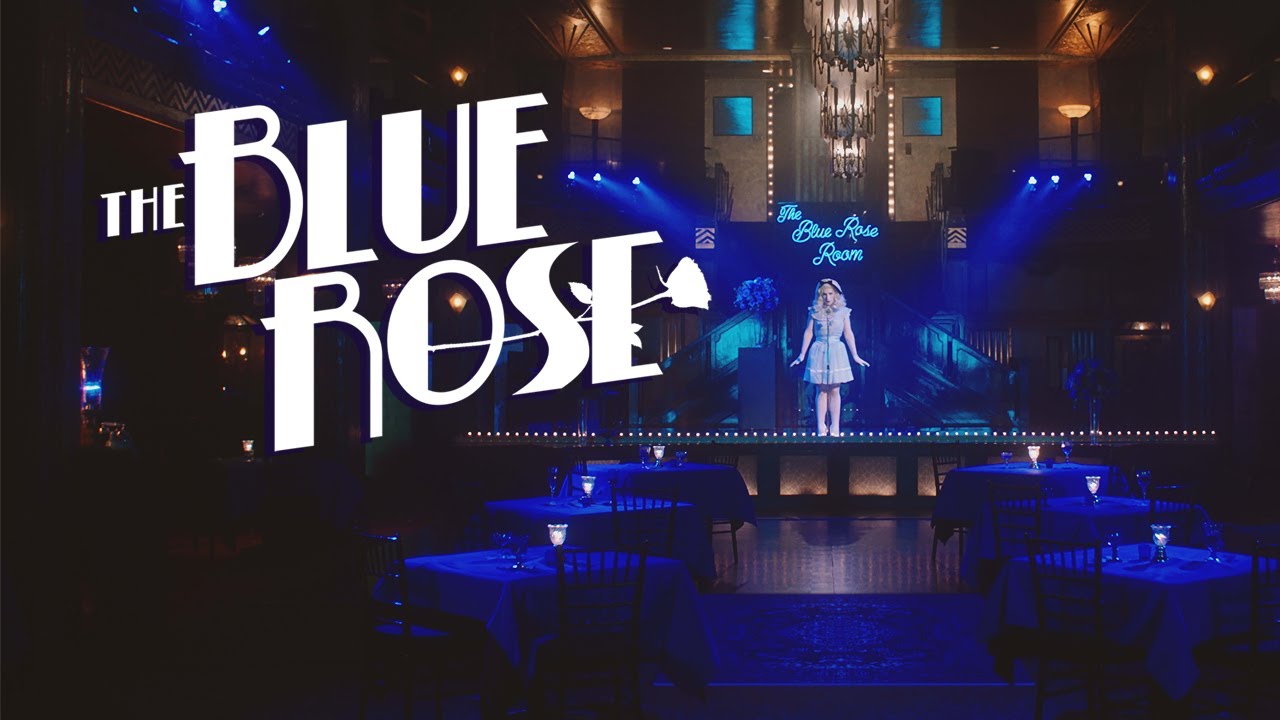
A surrealist neo-noir blending psychological horror, dream logic, and fragmented reality
A hypnotic descent into mystery, identity, and nightmare logicA homicide case spirals into a surreal alternate reality
The Blue Rose follows two rookie detectives, Lilly and Dalton, who begin investigating what appears to be a straightforward homicide case. As they dig deeper, the investigation unravels into a surreal, nightmarish alternate reality where logic dissolves and their worst fears manifest.
The stakes shift from solving a crime to maintaining a grip on reality itself, as the characters become trapped in a world that distorts identity, memory, and perception. The tone is stylized and disorienting, blending noir aesthetics with psychological horror.
The film unfolds as a dreamlike journey through fractured consciousness, where narrative clarity is intentionally obscured. Drawing on surrealist influences, it frames reality as unstable and subjective, using symbolism and atmosphere to create tension. The narrative tension lies in whether the detectives can escape the psychological labyrinth or become consumed by it.
Why It Is Trending: A surreal, genre-bending neo-noir reflecting themes of identity, perception, and psychological fragmentation
The Blue Rose is gaining traction within indie and cult cinema circles due to its bold embrace of surrealism and unconventional storytelling.
It aligns with a growing trend of films that prioritize atmosphere, symbolism, and psychological disorientation over traditional narrative clarity. Drawing comparisons to auteurs like David Lynch, the film appeals to audiences who seek interpretive, experience-driven cinema rather than linear storytelling. Its stylized 1950s noir aesthetic further enhances its niche appeal, blending nostalgia with experimental form.
The film’s visibility is also driven by critical discussion and polarized reception, which has amplified curiosity and engagement within cinephile communities.
Elements Driving the Trend: Surreal storytelling, stylized visuals, and genre fusion
The film’s appeal lies in its blending of noir, horror, and fantasy into a singular, unconventional narrative experience.
Its dreamlike structure prioritizes mood and symbolism, encouraging interpretation rather than clear resolution.
Olivia Scott Welch provides a grounding performance that helps anchor the film’s shifting realities.
Virality of Movie (Social Media Coverage): Polarized engagement driven by interpretation and debate
The film generates conversation through its divisive reception, with audiences actively debating its meaning and intent.
Its abstract narrative structure encourages analysis, making it particularly shareable within cinephile and film theory communities.
While not mainstream viral, it sustains visibility through ongoing discussion and curiosity.
Critics Reception: Mixed critical response from key film publications highlighting ambition and divisiveness
The film received mixed reviews, with coverage from online film publications such as Nerdly, Collider, and Screen Daily.
Critics from Collider and Screen Daily noted the film’s strong visual identity and ambition, particularly its commitment to surrealist storytelling.
However, reviews from platforms like Nerdly highlighted its lack of narrative coherence and accessibility, emphasizing that its experimental nature may alienate broader audiences.
Across reviews, Olivia Scott Welch’s performance is consistently recognized as a standout element, providing emotional grounding within the film’s abstract structure.
Awards and Recognitions: Modest festival recognition supporting technical achievements
The film achieved 1 win and 2 nominations at FogFest, including:
Best Production Design (Win)
Best Feature Film Director (Nomination)
Best Score & Sound Design (Nomination)
These recognitions highlight its technical strengths and artistic ambition.
Director and Cast: George Baron’s experimental vision supported by a committed ensemble
George Baron delivers a highly stylized and unconventional directorial approach, blending genres and narrative forms.
Olivia Scott Welch leads alongside Baron, with support from Danielle Bisutti and Ray Wise, contributing to the film’s atmospheric intensity.
The film trends because: Artistic experimentation, nostalgia aesthetics, and niche audience alignment converge
• Cultural + market relevance The film reflects growing interest in surreal, interpretive storytelling
• Industry opportunity Indie cinema continues to support experimental, auteur-driven projects
• Audience alignment Niche audiences actively seek films that challenge perception and narrative structure
The industry increasingly embraces bold, genre-defying films that prioritize creative expression over mass appeal.
Conclusion: A visually ambitious and divisive film that pushes the boundaries of surreal noir storytelling
The Blue Rose stands out through its commitment to artistic experimentation and genre fusion. Its strength lies in its distinctive visual style and willingness to challenge traditional storytelling norms. While not universally accessible, it offers a unique experience for audiences open to abstraction and interpretation. Ultimately, the film reinforces indie cinema’s role as a space for innovation and creative risk-taking.
What Movie Trend Is Followed: Surreal neo-noir cinema blending psychological horror, dream logic, and fragmented identity narratives
The Blue Rose follows a niche but growing trend of surreal, genre-blending films that merge noir detective structures with psychological horror and abstract storytelling.
This trend evolves beyond classic noir films like Chinatown by replacing logical investigation with subjective, dreamlike experiences where reality becomes unstable. Instead of solving a crime, characters navigate distorted perceptions, symbolic spaces, and internal fears.
The film fits within a modern wave of indie cinema influenced by surrealist auteurs such as David Lynch, where narrative clarity is secondary to atmosphere, interpretation, and emotional unease.
Trend Drivers: Demand for experimental storytelling and psychological depth
A key driver is the increasing audience interest in films that challenge traditional narrative structures and encourage interpretation.
There is also a strong appetite for psychological storytelling that explores identity, perception, and subconscious fears.
The film’s abstract structure and symbolic imagery reinforce this trend by prioritizing experience over explanation.
What Is Influencing Trend: Auteur cinema and cult film culture encouraging creative risk
The trend is heavily influenced by auteur-driven filmmaking, where directors prioritize personal vision and stylistic experimentation.
Cult film culture also plays a major role, as audiences actively seek unconventional and thought-provoking cinema.
This environment supports films like The Blue Rose that embrace ambiguity and artistic risk.
Macro Trends Influencing: Rise of hybrid genres and boundary-pushing indie cinema
Globally, there is a shift toward blending genres such as noir, horror, and fantasy into hybrid storytelling forms.
Independent cinema continues to push boundaries, exploring new ways of engaging audiences beyond traditional formats.
This reflects a broader movement toward innovation and diversity in storytelling.
Consumer Trends Influencing: Growing interest in interpretive and experience-driven films
Audiences—particularly cinephiles—are increasingly drawn to films that require active interpretation and engagement.
There is a clear shift toward valuing atmosphere, symbolism, and emotional impact over straightforward narratives.
This makes films like The Blue Rose appealing within niche but dedicated audience segments.
Audience Analysis: Cinephiles and niche viewers seeking experimental and artistic cinema
The core audience typically ranges from 20–45, including film enthusiasts, students of cinema, and fans of surreal storytelling.
These audiences value originality, artistic expression, and films that challenge conventional storytelling norms.
Behaviorally, they engage deeply with content that invites analysis, discussion, and multiple interpretations.
They are more likely to discover such films through festivals, online film communities, and curated platforms.
Conclusion: A niche but enduring trend driven by artistic freedom, experimentation, and audience curiosity
This trend works because it offers a unique and intellectually engaging viewing experience. It is scalable through streaming platforms and festival circuits that support indie cinema. Its sustainability remains strong within niche audiences who value originality and depth. The industry will continue to support such films as they expand the boundaries of storytelling and cinematic expression.
Final Verdict: A visually ambitious but divisive surreal noir that prioritizes style and atmosphere over narrative clarity
The Blue Rose stands as a bold experimental film that embraces surrealism and genre fusion, offering a hypnotic but often disorienting viewing experience. It abandons conventional storytelling in favor of dream logic, placing the audience inside a fragmented reality where meaning is subjective and elusive.
Director George Baron leans heavily into stylistic choices—noir aesthetics, theatrical staging, and symbolic imagery—creating a film that feels more like an artistic expression than a traditional narrative. This approach defines the film’s identity but also contributes to its divisive reception.
Olivia Scott Welch delivers a committed performance that helps anchor the film emotionally, even as the narrative drifts into abstraction. Supporting performances from Danielle Bisutti and Ray Wise add to the film’s theatrical tone.
The film’s long-term impact lies in its contribution to experimental indie cinema, reinforcing a space where creative risk and unconventional storytelling are prioritized.
Audience Relevance: A niche experience for viewers open to abstraction and artistic experimentation
The film resonates with audiences who appreciate surreal, interpretive cinema and are willing to engage with ambiguity. Its visual style and atmospheric storytelling create a unique experience.
However, its lack of narrative clarity may alienate viewers expecting a more structured and accessible story.
What Is the Message of Movie: Reality is subjective, and identity can fracture under psychological pressure
At its core, the film explores how perception shapes reality, suggesting that truth is fluid and often distorted by internal fears.
It reflects the fragility of identity when confronted with uncertainty and subconscious tension.
Relevance to Audience: Reflecting modern fascination with psychological complexity and altered realities
The story connects with audiences interested in themes of perception, identity, and psychological exploration.
It mirrors contemporary interest in narratives that blur the line between reality and illusion.
Social Relevance: A subtle commentary on perception, truth, and the instability of modern experience
While not overtly political, the film reflects broader anxieties about reality and interpretation in a complex world.
It highlights how individuals construct meaning in uncertain environments.
Performance: Committed performances supporting an abstract and stylized narrative
Olivia Scott Welch stands out as a grounding presence within the film’s surreal framework.
The ensemble contributes to the film’s theatrical and atmospheric tone.
Legacy: A cult-leaning indie film defined by its artistic ambition and divisive reception
The film’s legacy is likely to exist within niche and cult audiences who appreciate experimental cinema.
It reinforces the importance of creative freedom within indie filmmaking.
Success: Measured through artistic expression and niche audience engagement rather than mainstream appeal
With modest awards recognition and mixed reviews, the film’s success is defined by its distinct identity and cult potential.
Its impact lies in sparking discussion rather than achieving broad commercial success.
Insights: Experimental storytelling continues to push boundaries but remains polarizing in audience reception
Insights: Surreal and abstract films are gaining traction within niche audiences seeking unique cinematic experiences. Industry Insight: Indie cinema provides space for experimentation, allowing filmmakers to explore unconventional narratives. Consumer Insight: Audiences are increasingly open to interpretive storytelling, but accessibility remains a key challenge. Social Insight: The film reflects broader curiosity about perception, identity, and psychological complexity. Cultural/Brand Insight: The Blue Rose reinforces the role of cinema as an artistic medium capable of challenging norms and expectations.
Conclusion: A daring but polarizing film that transforms noir into a surreal psychological experience
The film’s long-term relevance lies in its commitment to artistic experimentation and genre fusion. It operates within a cinematic landscape that increasingly values originality and creative risk. From a cultural standpoint, it challenges traditional storytelling by embracing ambiguity and abstraction. The industry will continue to support such films as they expand the possibilities of cinematic expression.
Summary of the Movie: A surreal and atmospheric neo-noir exploring identity, perception, and the collapse of reality
• Movie themes: Identity, perception, psychological fragmentation, reality vs illusion, fear, subconsciousThe film explores how reality can distort under psychological pressure, turning a crime investigation into a descent into the subconscious where identity and truth become unstable.
• Movie director: Experimental, surrealist vision driven by George BaronBaron crafts a highly stylized and unconventional narrative, blending noir aesthetics with dream logic and symbolic storytelling. His direction prioritizes mood and artistic expression over traditional plot structure.
• Top casting: A committed ensemble led by Olivia Scott WelchWelch anchors the film with a grounded performance, supported by Danielle Bisutti and Ray Wise, who enhance the film’s theatrical and atmospheric tone.
• Awards and recognition: Modest festival success highlighting technical strengthsThe film achieved 1 win and 2 nominations at FogFest, including Best Production Design (win) and nominations for Best Director and Best Score & Sound Design, reflecting its artistic ambition.
• Why to watch movie: A unique, interpretive cinematic experience for fans of surreal storytellingIt offers a visually distinctive and thought-provoking experience that challenges traditional narrative expectations and encourages interpretation.
• Key Success Factors: Positioned within experimental indie and surreal neo-noir trendThe film succeeds through its bold artistic vision, genre fusion, and alignment with a niche audience seeking unconventional storytelling.
• Where to watch: Limited release and niche distribution channelsReleased in 2024 (United States), the film is primarily available through select platforms and indie distribution, appealing to a targeted audience base.
Conclusion: A visually daring and concept-driven film that embraces ambiguity and artistic risk
The Blue Rose ultimately defines itself through its commitment to surrealism and experimentation, offering a cinematic experience that prioritizes mood and interpretation over clarity. It stands as a film that challenges viewers to engage actively with its narrative, rather than passively consume it. While divisive in execution, it leaves a lasting impression through its bold stylistic choices. Its strength lies in its ambition, visual identity, and willingness to push boundaries. Ultimately, the film reflects the evolving landscape of indie cinema, where creative risk and artistic expression drive meaningful storytelling.





Leave a Reply