
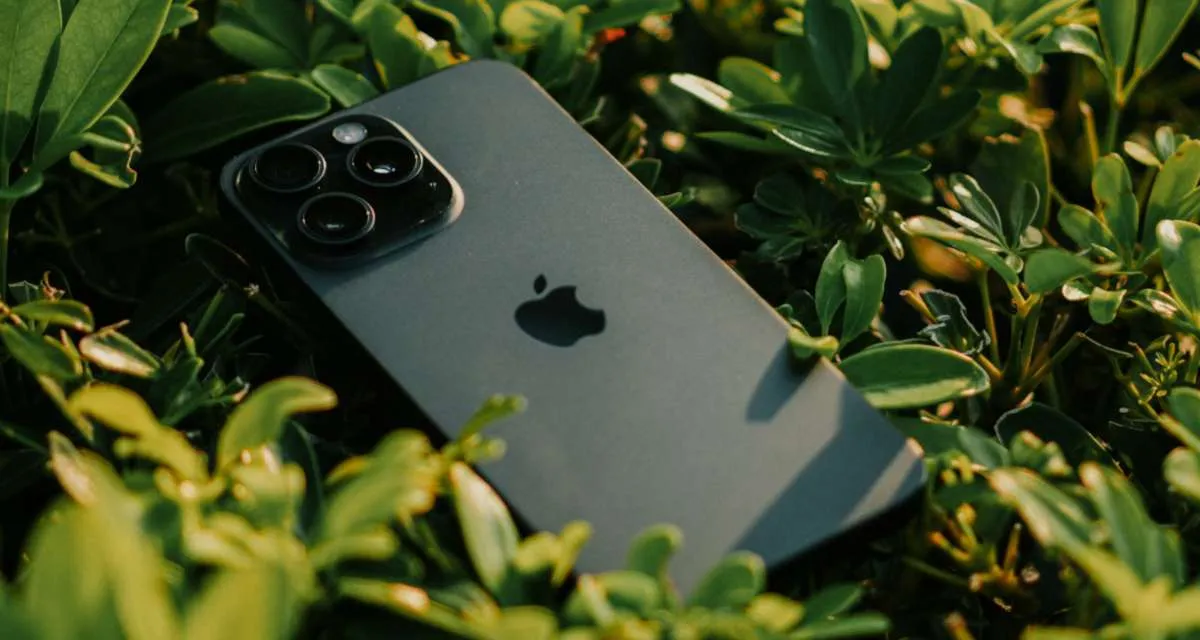

Photo Credit: Mikhail Blinov
Apple has fired off a patent non-infringement complaint against Boomcloud 360, a self-described “innovator and pioneer in audio rendering and spatial audio.”
The iPhone developer just recently submitted the straightforward action to a California federal court, after Boomcloud itself filed patent suits against companies including Samsung, T-Mobile, AT&T, Walmart, Best Buy, and Target – but not Apple – earlier in 2026.
Despite containing minor differences, the similar actions accuse the defendants of infringing on patents (including but not limited to Nos. 10,721,564, 10,757,527, and 10,313,820) relating “to improved audio rendering and spatial audio.”
For the retailers, the claims unsurprisingly concern alleged infringement stemming from the sale of the devices in question – chief among them a long list of Samsung products. AT&T, for its part, is said to have signed multiple NDAs with Boomcloud en route to engaging in talks “regarding a potential license to” the patented audio solutions at hand.
Though it probably goes without saying, the license never materialized; in the plaintiff’s view, AT&T opted “to infringe upon the inventions claimed in Boomcloud’s patents” by dealing in all manner of spatial audio-equipped Samsung devices.
As for the emphasis on Samsung in particular, individual Apple device model numbers don’t appear to be mentioned whatsoever in the initial action against AT&T; on the other hand, many Samsung devices are classified as “accused products.”
However, as described by Apple, Boomcloud subsequently tacked on plenty of its (Apple’s) devices in a “preliminary disclosure of asserted claims and infringement contentions” provided to both AT&T and T-Mobile.
Unsurprisingly, this isn’t sitting right with Apple, which is now demanding a declaratory judgment of noninfringement against Boomcloud when it comes to the three above-noted patents.
Admittedly, the Apple Music operator’s suit, complete with highly technical patent quotes covering processes like “applying first subband gains to subbands of the spatial component to generate an enhanced spatial component,” doesn’t make for easy reading.
But it does rather clearly underscore Apple’s position that there’s no patent infringement to speak of, including by invoking a point-by-point breakdown of the relevant tech-implementation distinctions.
With that, it’ll be worth continuing to track the disputes – which are, of course, interconnected – moving forward. And this certainly isn’t the industry’s only ongoing patent infringement showdown; an entity called Muvox last month sued both Apple and Amazon for allegedly infringing a patent pertaining to mood-based song-selection and playlisting technology.





Leave a Reply