

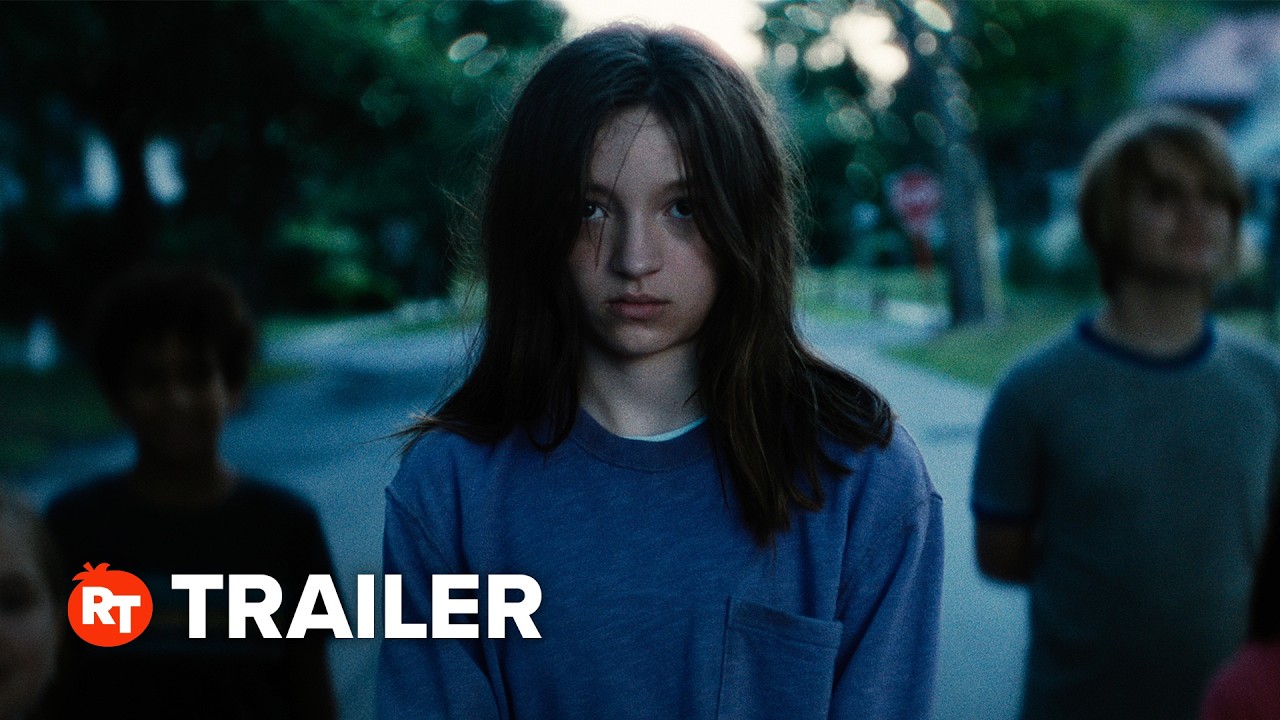
US | 2024 | 95 min | Psychological Horror / Supernatural Horror / Family Drama
A Young Girl’s Desperate Attempt to Save Her Dying Father Unleashes a Terrifying Supernatural Presence
Set during the summer of 2002, Family (2024) follows eleven-year-old Johanna (Cameron Dawson Gray), who struggles to accept her father’s deteriorating health. Desperate to save him, she attempts to summon a benevolent spirit, only to encounter something far more disturbing. Directed by Benjamin Finkel, the film combines supernatural horror with psychological family drama to explore childhood vulnerability, anticipatory grief and the desperate search for emotional security when familiar sources of protection begin to disappear.
➡️ Storyline: Father’s Illness → Fear of Loss → Search for Emotional Security → Supernatural Encounter → Psychological Distress → Confrontation With Mortality.
Why to Watch Family: A Psychological Horror Film About Childhood, Grief and Emotional Insecurity
Family uses supernatural horror to explore the emotional experience of a child confronting serious illness within her family, transforming the fear of losing a parent into an unsettling psychological narrative.
|
1. Benjamin Finkel’s Award-Winning Direction |
The filmmaker received the Kickstarter NextGen Award at SXSW 2024, recognizing his emerging filmmaking talent. |
|
2. Cameron Dawson Gray, Ruth Wilson and Ben Chaplin |
The central cast brings emotional complexity to a family confronting illness, uncertainty and psychological distress. |
|
3. Childhood Grief and Emotional Security |
The film explores how children attempt to understand mortality and restore a sense of safety when confronted with circumstances beyond their control. |
|
4. Atmospheric Cinematography and Music |
Audience reviews highlight the unsettling visual atmosphere, expressive lighting, musical score and gradual development of psychological tension. |
|
5. Psychological and Supernatural Ambiguity |
The narrative invites viewers to interpret the relationship between supernatural experiences, emotional distress and childhood perceptions of reality. |
➡️ Reason to Watch: An atmospheric independent horror film that transforms childhood grief and the fear of losing emotional security into a psychologically unsettling supernatural experience.
Why Family Stands Out: The Supernatural Becomes an Expression of Childhood Vulnerability
Family distinguishes itself by presenting supernatural horror through the perspective of a child whose familiar world is becoming increasingly unstable. Johanna’s attempt to summon a protective spirit reflects her desperate desire to restore safety rather than curiosity about supernatural forces. The film connects horror with the emotional helplessness experienced when a parent can no longer provide the reassurance associated with childhood. Benjamin Finkel uses supernatural ambiguity to explore the psychological consequences of losing a fundamental source of emotional protection.
➡️ Why It Stands Out: A supernatural horror film in which the greatest source of fear is the potential disappearance of the emotional security provided by a parent.
Movie Trend: Grief-Driven Psychological Horror — Emotional Loss Becomes a Source of Psychological Terror
Grief-Driven Psychological Horror explores how bereavement, anticipatory grief and unresolved emotional distress can become foundations for frightening cinematic experiences. Family reflects this trend through Johanna’s inability to accept her father’s deteriorating health and her desperate attempt to prevent his loss. Rather than relying exclusively on external supernatural threats, the film connects horror with emotional vulnerability, helplessness and the psychological difficulty of confronting mortality. Its childhood perspective provides a distinctive framework for exploring how fear and imagination interact when familiar emotional structures begin to collapse.
➡️ Movie Trend Insight: Grief-Driven Psychological Horror transforms deeply personal fears surrounding illness, mortality and emotional attachment into unsettling experiences that connect supernatural storytelling with human vulnerability.
Broad Trend: Safety / Security — Emotional Uncertainty Intensifies the Need for Protection and Stability
Safety / Security reflects the fundamental human desire for physical protection, emotional reassurance, stability and predictability. In Family, Johanna’s father’s illness threatens the emotional foundation upon which her childhood sense of security depends. Unable to influence his deteriorating condition, she turns to supernatural intervention in an attempt to restore stability. The film illustrates how circumstances beyond individual control can intensify the desire for reassurance and encourage alternative ways of coping with uncertainty. Johanna’s experience highlights the importance of emotional security in shaping how children perceive and respond to threatening situations.
➡️ Broad Trend Insight: When familiar sources of emotional protection become threatened, individuals may seek alternative forms of reassurance, stability and control to cope with uncertainty.
Viewer Profile: Audiences Interested in Psychological Horror, Emotional Vulnerability and Childhood Experiences
Family is likely to appeal to audiences seeking psychologically complex horror films that explore emotional distress, family relationships and the fear of losing loved ones. Its combination of supernatural ambiguity and intimate family drama provides opportunities for emotional engagement beyond conventional horror entertainment.
|
Psychological horror enthusiasts, independent horror viewers and audiences interested in emotionally complex family dramas |
|
|
Adult Gen Z, Millennials and Generation X viewers interested in psychological and symbolic horror |
|
|
Culturally curious individuals interested in psychology, emotional well-being, family relationships and independent cinema |
|
|
Grief-driven horror, atmospheric supernatural thrillers, slow-burn psychological horror and symbolic storytelling |
|
|
Understanding how Johanna confronts her father’s illness and the supernatural consequences of her search for protection |
|
|
Emerging filmmakers, award-winning festival films, unconventional horror narratives and recognizable dramatic actors |
|
|
Fear, empathy, helplessness, emotional attachment and the desire for reassurance and security |
Key Profiles: Three Audiences, Three Reasons to Watch
Grief-Driven Psychological Horror Enthusiasts
Viewers who appreciate horror films that use supernatural experiences to explore emotional distress, grief and psychological vulnerability. Johanna’s fear of losing her father provides an emotionally grounded foundation for the film’s unsettling atmosphere.
Family and Emotional Security Audiences
Audiences interested in stories exploring childhood vulnerability, parental attachment and the psychological importance of family stability. The film examines how serious illness can disrupt a child’s understanding of safety and protection.
Independent and Atmospheric Horror Audiences
Viewers attracted to emerging filmmakers, ambiguous narratives, expressive cinematography and unconventional approaches to horror. Benjamin Finkel’s SXSW recognition and psychologically driven storytelling provide distinctive discovery opportunities.
➡️ Audience Insight: Family connects supernatural horror with the universal emotional need for protection, reassurance and stability when circumstances threaten the relationships that provide a sense of security.
Industry Insight: Psychological Horror Explores the Fragility of Emotional Security
Family illustrates how independent horror films can differentiate themselves by connecting supernatural experiences with recognizable emotional fears. Its childhood perspective and exploration of parental illness provide a distinctive alternative to conventional supernatural horror narratives. Benjamin Finkel’s SXSW award demonstrates festival recognition, although the film’s 5.0/10 IMDb rating suggests a mixed audience response. Supplied reviews highlight atmospheric cinematography, psychological depth and emotional themes while identifying concerns about pacing, narrative ambiguity and the resolution of supernatural tension. The film demonstrates both the creative opportunities and challenges of balancing psychological exploration with established horror expectations.
➡️ Industry Insight: Grief-Driven Psychological Horror can strengthen emotional engagement by connecting supernatural threats with relatable fears surrounding family stability, personal vulnerability and the loss of emotional security.
Final Verdict: An Atmospheric Psychological Horror Film About the Fear of Losing Childhood Security
Family (2024) combines supernatural horror, psychological tension and intimate family drama to explore the emotional consequences of confronting parental illness during childhood. Benjamin Finkel uses Johanna’s desperate search for protection to examine the relationship between grief, helplessness and emotional insecurity. The film’s atmospheric cinematography, psychological themes and distinctive childhood perspective emerge as particular strengths, although its ambiguous storytelling and gradual pacing may divide audiences seeking conventional horror experiences.
➡️ Final Verdict: Family transforms a young girl’s fear of losing her father into an unsettling exploration of grief and emotional vulnerability. Its supernatural elements provide a symbolic framework for examining the fragility of childhood security. The film is particularly suited to audiences seeking atmospheric psychological horror that prioritizes emotional depth and interpretation over conventional scares.
Final Insights: The Fear of Losing Emotional Security Can Be More Terrifying Than the Unknown
The Safety / Security trend reflects the fundamental human desire for protection, reassurance and stability in an unpredictable world. Family explores this motivation through a child whose father’s illness threatens the emotional foundation of her everyday life, encouraging her to seek protection through extraordinary means.
Grief-Driven Psychological Horror reveals how the potential loss of loved ones can transform familiar environments into sources of psychological uncertainty. The deepest fears often emerge not from unfamiliar threats but from the possibility of losing the people who make us feel safe.
➡️ Final Insight: Safety / Security → Grief-Driven Psychological Horror → Search for Emotional Protection, Reassurance and Stability. Family explores how threats to emotional security can intensify psychological vulnerability and the desire to regain control. The creative opportunity lies in developing psychologically complex horror narratives that connect supernatural fear with universal human needs for protection, emotional attachment and stability.




Leave a Reply