
Streaming Economics Drive Strategic Revival of Legacy TV Franchises
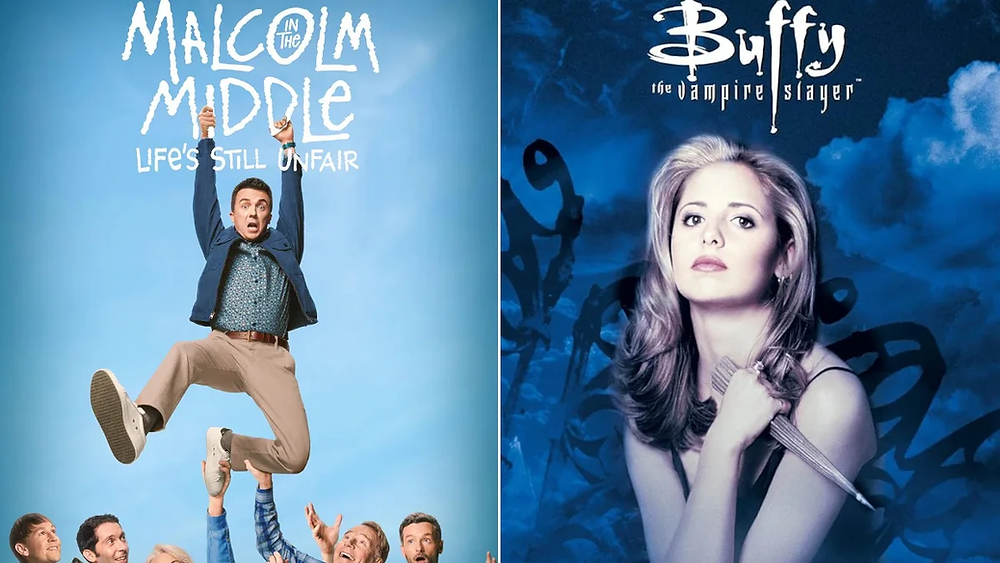
The resurgence of classic shows like Malcolm in the Middle and Scrubs, alongside the shelving of a Buffy the Vampire Slayer reboot, highlights a major shift in how studios approach content investment. In today’s cost-conscious streaming landscape, legacy IP is being leveraged as a low-risk, high-return strategy. These shows continue to generate massive revenue—over $100 million each for some titles—without new episodes, proving their enduring value. This demonstrates that existing catalogs are not just archives but active financial assets. Ultimately, legacy content is becoming a cornerstone of modern streaming strategy.
Trend Description: From Nostalgia Plays to Data-Driven IP Optimization
Studios are no longer rebooting shows purely for nostalgia—they are making calculated, data-driven decisions based on audience behavior and revenue performance. For example, Malcolm in the Middle has found a new life with Gen Z audiences, making a limited revival a strategic move to amplify engagement. In contrast, Scrubs requires a full reboot to rebuild its audience due to fragmented platform availability. Meanwhile, Buffy the Vampire Slayer was shelved because its older-skewing audience and high production costs created a weaker return on investment. This reflects a shift toward precision strategy rather than blanket rebooting. As a result, reboots are now tailored to maximize ROI based on specific audience dynamics.
Key Performance Drivers: Revenue Efficiency, Audience Data, and Platform Strategy
• High streaming revenue from legacy catalogs
• Low production risk compared to new IP
• Strong nostalgic and existing fanbases
• Data-driven audience insights guiding decisions
• Platform consolidation maximizing revenue capture
• Cross-generational audience appeal (e.g., Gen Z rediscovery)
• Content libraries acting as financial assets
• Strategic reboot formats (mini-series vs full reboot)
• Reduced marketing costs due to brand recognition
• Streaming-first consumption behavior
Insight: Legacy Content Is Becoming a Financial Asset Class
This trend shows that older shows are no longer just cultural artifacts—they are revenue-generating assets. It matters because it shifts investment strategies toward maximizing existing IP. The value lies in reducing risk while maintaining strong returns. Looking ahead, studios will increasingly treat legacy catalogs as core components of their business models.
Why The Trend Is Emerging: Streaming Profitability Pressures and Data-Driven Decision Making Reshape Content Strategy
The shift toward reviving legacy shows like Malcolm in the Middle and Scrubs is largely driven by the changing economics of streaming. Platforms are moving away from aggressive growth strategies toward profitability and efficiency, making low-risk investments more attractive. Legacy IP provides a proven audience base and consistent revenue streams, reducing uncertainty compared to launching new content. For example, shows like Buffy the Vampire Slayer continue generating significant revenue without new production, highlighting the financial power of existing catalogs. As a result, studios are prioritizing strategies that maximize return while minimizing risk.
At the same time, advanced audience data is enabling more precise decision-making. Platforms can now analyze demographics, viewing behavior, and engagement trends to determine whether a reboot is viable—and what form it should take. The success of Malcolm in the Middle with younger audiences contrasts with Buffy’s older demographic, illustrating how data directly influences strategy. Additionally, platform consolidation ensures that any renewed interest benefits a single ecosystem rather than being fragmented across competitors. Together, these forces are driving a more calculated, efficiency-focused approach to content development.
Key Drivers: Profitability Focus, Audience Data, and Platform Control
• Shift from growth → profitability in streaming
• Proven revenue from legacy content
• Lower risk compared to new IP development
• Advanced audience analytics guiding strategy
• Platform consolidation maximizing revenue
• Nostalgia-driven engagement
• Cross-generational audience dynamics
• Cost efficiency in content production
• Strategic reboot formats based on data
• Increased competition among streaming platforms
Virality of Trend: Nostalgia-driven content and familiar IP generate consistent engagement and rediscovery across streaming platforms
These properties gain traction because audiences continuously revisit and share familiar content, keeping it culturally relevant.
Where It Is Seen: Streaming Platforms, Legacy TV Libraries, and Reboot Strategies
• Malcolm in the Middle
• Buffy the Vampire Slayer
• Disney+, Hulu, and multi-platform ecosystems
• Legacy content libraries
• Data-driven reboot strategies
Insight: Streaming Strategy Is Shifting From Creation to Optimization
This trend shows that platforms are focusing more on maximizing existing assets than creating new ones. It matters because it changes how content is developed and prioritized. The value lies in efficiency and predictable returns. Looking ahead, data-driven optimization of legacy IP will define the next phase of streaming strategy.
Description Of The Consumers: Nostalgia-Driven, Streaming-Native Audiences Powering Legacy Content
The audience driving the success of legacy shows like Malcolm in the Middle, Scrubs, and Buffy the Vampire Slayer is a mix of nostalgic viewers and streaming-native consumers. These audiences engage with older content not just out of familiarity, but because streaming platforms have made discovery and rewatching effortless. Importantly, younger viewers—especially Gen Z—are increasingly adopting older shows, giving them a “second life” beyond their original run. This creates a dual-layer audience: one driven by memory and another by discovery. As a result, legacy content now appeals across generations simultaneously.
Primary Audience: Millennials and Gen X Seeking Nostalgic Reconnection
This segment includes viewers aged 30–55 who originally watched these shows during their initial broadcast. Their engagement is driven by nostalgia, comfort viewing, and emotional familiarity. They return to these series as a form of low-risk entertainment, often binge-watching episodes they already know. This group also contributes significantly to consistent streaming revenue, as they revisit content repeatedly. For them, legacy shows serve as both entertainment and emotional anchors.
Secondary Audience: Gen Z Discovering Legacy Content Through Streaming
The secondary audience includes Gen Z viewers aged 13–29 who are discovering these shows for the first time. Shows like Malcolm in the Middle have gained traction with younger audiences due to their fast-paced editing style and humor, which aligns with modern content formats. This generation engages differently—they are more likely to share clips, create memes, and discuss content online. Their discovery is driven by platform algorithms and social media exposure rather than original broadcast history. For them, legacy content feels new and relevant.
Audience Profile: Cross-Generational, Streaming-First Viewers Focused on Comfort and Discovery
• Education: High school to college
• Lifestyle: Digital-first, content-driven
• Behavior: Binge-watching, rewatching, sharing
• Viewing Habits: Streaming platforms (Disney+, Hulu, etc.)
• Decision Drivers: Nostalgia, familiarity, ease of access
• Media Consumption: Streaming, social media, short-form video
• Values: Comfort, relatability, humor
• Buying Behavior: Subscription-based consumption
• Expectation Shift: From scheduled TV → on-demand discovery
Insight: Audiences Are Blending Nostalgia With Discovery
This audience shows that legacy content thrives when it can serve both returning fans and new viewers. It matters because it extends the lifecycle of older IP. The value lies in cross-generational appeal and sustained engagement. Looking ahead, content that can bridge nostalgia and discovery will deliver the strongest long-term performance.
Main Audience Motivation: Comfort, Familiarity, and Low-Risk Entertainment Drive Engagement
The primary motivation behind the continued success of shows like Malcolm in the Middle, Scrubs, and Buffy the Vampire Slayer is the desire for comfort and familiarity. Audiences return to these series because they already know the characters, tone, and storytelling style, making them easy and reliable viewing choices. In a saturated content environment, this “low-risk entertainment” becomes highly valuable, as viewers don’t need to invest time in learning something new. This is especially important in streaming, where choice overload can lead to decision fatigue. As a result, motivation is driven by ease and emotional reassurance.
At the same time, discovery and cultural relevance play a key role for younger audiences. Gen Z viewers are motivated by curiosity and social validation, often encountering these shows through clips, memes, or recommendations. The format of shows like Malcolm in the Middle—with fast pacing and fourth-wall breaks—aligns with modern content consumption habits. Additionally, audiences are motivated by the ability to participate in shared cultural conversations around “classic” shows. Ultimately, motivation is a blend of comfort, accessibility, and cultural engagement.
Key Motivations: Comfort, Discovery, and Cultural Participation
• Desire for familiar, low-effort entertainment
• Emotional comfort and nostalgia
• Avoidance of decision fatigue
• Curiosity-driven discovery by younger audiences
• Engagement with culturally relevant content
• Participation in social media discussions
• Appreciation for proven storytelling formats
• Easy accessibility via streaming platforms
• Rewatchability and binge potential
• Connection to shared cultural experiences
Insight: Motivation Is Driven by Emotional Ease and Cultural Relevance
This shift shows that audiences are prioritizing content that is both comforting and culturally engaging. It matters because it extends the lifecycle of older content. The value lies in reducing friction while maintaining relevance. Looking ahead, content that balances familiarity with discoverability will dominate streaming engagement.
Trends 2026: Legacy TV IP Optimization and Strategic Reboots Redefine Streaming Value
In 2026, streaming platforms are increasingly focused on optimizing existing content rather than aggressively producing new originals. The performance of shows like Malcolm in the Middle, Scrubs, and Buffy the Vampire Slayer demonstrates how legacy IP can generate substantial revenue with minimal new investment. This reflects a broader trend where content libraries are treated as long-term financial assets rather than static archives. As a result, platforms are prioritizing strategies that extend the lifecycle and profitability of existing IP.
At the same time, reboot strategies are becoming more targeted and data-driven. Instead of rebooting everything, studios are choosing formats based on audience behavior—limited series for already-successful IP, full reboots for underperforming or fragmented titles, and cancellation for high-risk projects. This precision approach maximizes ROI while minimizing unnecessary spending. Additionally, cross-generational engagement ensures sustained relevance, as younger audiences continue to discover older content. Together, these trends are redefining streaming as a model focused on efficiency, optimization, and strategic reinvention.
Trend Elements: Structural Shifts Driving Legacy IP Optimization
• Legacy content treated as revenue-generating assets
• Shift from content creation → content optimization
• Data-driven reboot and revival strategies
• Limited series vs full reboot decision-making
• Cross-generational audience engagement
• Platform consolidation for revenue capture
• Reduced risk compared to new IP
• Streaming-first consumption patterns
• Increased value of content libraries
• Strategic lifecycle management of IP
Trend Table: Insight-Led Breakdown of Legacy IP Strategy
|
Description (Insight-Led) |
||
|
Legacy IP Optimization Drives Streaming |
Platforms maximize value from existing catalogs |
|
|
Nostalgia meets discovery |
Content appeals across generations |
|
|
Data-driven reboot strategies |
Investment decisions become more precise |
|
|
Extend lifecycle of existing IP |
Reduce cost while increasing ROI |
|
|
Low-risk engagement boosts |
||
|
Captures full revenue potential |
||
|
Algorithm-driven discovery |
Insight: Streaming Success Is Now Defined by Efficiency, Not Volume
This shift shows that platforms are prioritizing smarter investments over more content. It matters because it changes how success is measured in streaming. The value lies in maximizing existing assets. Looking ahead, legacy IP optimization will become a dominant strategy in the streaming industry.
Strategic Implications: Streamers Must Monetize Libraries with Precision, Not Volume
The performance of legacy titles like Malcolm in the Middle, Scrubs, and Buffy the Vampire Slayer shows that the winning strategy is not “more content,” but smarter use of what already exists. Platforms should treat catalogs as active portfolios—programming, packaging, and resurfacing titles based on audience segments and seasonal demand. Decisions on whether to do a mini-series nudge, a full reboot, or no reboot at all should be grounded in audience mix (e.g., Gen Z penetration vs. older skew) and incremental ROI potential. This turns content strategy into portfolio optimization rather than slate expansion.
At the same time, ownership and distribution control become critical. Consolidating rights—so a title isn’t fragmented across competitors—captures the full “halo effect” when new installments drop. Marketing should lean into discovery loops (short-form clips, creator partnerships, algorithmic boosts) to pull younger viewers into older catalogs. Finally, cost discipline matters: expensive reboots only make sense when they can materially expand the audience base; otherwise, the existing library may already be the highest-margin asset. The implication is clear—optimize, consolidate, and activate before you create.
Insight: Advantage Comes from Library Orchestration, Not Content Volume
This shift shows that competitive edge lies in how well platforms orchestrate discovery, rights, and targeted revivals. It matters because it reallocates spend from risky originals to high-confidence assets. The value is higher margins with sustained engagement. Looking ahead, the best performers will be those who treat libraries as dynamic growth engines rather than static archives.
Final Insights: Legacy TV Libraries Become the Core Growth Engine of Streaming
The continued performance of shows like Malcolm in the Middle, Scrubs, and Buffy the Vampire Slayer confirms a fundamental shift in the streaming industry: growth is no longer driven primarily by new content, but by the strategic activation of existing libraries. These titles demonstrate that legacy IP can generate sustained revenue and engagement over decades, especially when supported by modern discovery tools and platform consolidation. As a result, content libraries are becoming the most valuable long-term assets for streaming platforms. The focus is shifting from creation to optimization.
At the same time, this trend highlights the importance of precision in content strategy. Not all IP should be rebooted—some require light-touch revivals, while others are more valuable as-is. Audience demographics, platform control, and cost efficiency now dictate decision-making. This creates a more disciplined industry where every investment must justify its return. Ultimately, the future of streaming lies in balancing nostalgia, discovery, and smart monetization strategies.
Key Takeaways: Optimization, Nostalgia, and Efficiency Define Streaming Success
• Legacy IP evolves into core revenue drivers
• Content libraries become long-term assets
• Reboots are data-driven, not automatic
• Platform consolidation maximizes returns
• Nostalgia fuels consistent engagement
• Discovery tools extend content lifecycle
• Efficiency replaces volume in strategy
• Cross-generational audiences sustain demand
• Streaming shifts toward profitability
• Libraries outperform risky new content
Insights: Legacy Content Redefines Streaming Economics
Insights: Legacy TV content demonstrates that long-term engagement and revenue can be sustained without continuous new production. Industry Insight: Streaming platforms are shifting toward optimizing existing assets rather than prioritizing new content volume. Consumer Insight: Audiences prefer familiar, easily accessible content that reduces decision fatigue while maintaining relevance. Social Insight: Nostalgia and rediscovery through digital platforms keep older shows culturally active. Cultural/Brand Insight: Established IP provides both credibility and consistent engagement across generations. Conclusion: Together, these insights show that the future of streaming lies in maximizing the value of legacy content through data-driven strategies and cross-generational appeal.
Final Insight: The Future of Streaming Lies in Smartly Activated Legacy Ecosystems
This trend shows that the most valuable content is often already owned, not newly created. It matters because it redefines investment priorities across the industry. The value lies in unlocking hidden potential within existing libraries. Looking ahead, platforms that master legacy content activation will lead the next phase of streaming growth.
Innovation Platforms: Data Analytics, Content Libraries, and Platform Control Drive Legacy IP Optimization
The success of legacy shows like Malcolm in the Middle, Scrubs, and Buffy the Vampire Slayer is powered by innovation platforms centered around advanced data analytics and content library management. Streaming platforms now use detailed audience insights—such as demographics, engagement patterns, and viewing behavior—to determine how and when to activate legacy IP. This allows for precise decisions on whether to reboot, revive, or simply promote existing content. As a result, innovation is no longer just about creating new shows but about optimizing the performance of existing ones.
At the same time, platform control and content consolidation play a critical role in maximizing revenue. By ensuring that a show is available exclusively within one ecosystem, platforms can fully capture the “halo effect” generated by renewed interest. Additionally, algorithm-driven discovery systems and personalized recommendations help surface older content to new audiences, extending its lifecycle. Marketing innovation—through short-form clips, social media, and curated collections—further amplifies engagement. Ultimately, innovation platforms in this space are defined by their ability to combine data, distribution control, and audience engagement systems into a unified strategy.
Innovation Drivers: Data, Distribution, and Discovery Systems
• Advanced audience analytics guiding decisions
• Content libraries treated as dynamic assets
• Platform consolidation maximizing revenue capture
• Algorithm-driven content discovery
• Personalized recommendation systems
• Cross-generational audience targeting
• Strategic reboot and revival planning
• Digital marketing and social amplification
• Streaming-first distribution models
• Efficiency-focused content strategies
Insight: Innovation Is Driven by Data-Led Content Optimization
This shift shows that the most impactful innovations are happening in how content is managed, not just created. It matters because it increases efficiency and reduces risk. The value lies in maximizing existing assets. Looking ahead, platforms that master data-driven content optimization will lead the streaming industry.
Cross-Industry Expansion: Legacy IP Strategy Extends Across Streaming, Advertising, and Consumer Ecosystems
The success of legacy shows like Malcolm in the Middle, Scrubs, and Buffy the Vampire Slayer is no longer confined to streaming platforms—it is expanding across advertising, licensing, and broader consumer ecosystems. As these titles continue generating significant revenue without new production, they become valuable assets for brand partnerships, syndication, and merchandising. This transforms legacy IP into multi-purpose economic engines that can be activated across industries. As a result, content libraries are evolving into cross-industry platforms rather than single-channel assets.
At the same time, advertisers and brands are increasingly leveraging nostalgic content to connect with audiences emotionally. Legacy shows provide a familiar cultural touchpoint that enhances brand recall and engagement. Additionally, licensing opportunities across platforms—such as international distribution and bundled streaming offerings—further extend revenue potential. However, maintaining consistent brand identity and avoiding overexposure is critical to sustaining long-term value. Ultimately, cross-industry expansion depends on how effectively platforms integrate legacy IP into broader commercial ecosystems.
Expansion Factors: Legacy Content as a Multi-Industry Asset
• Trend: Legacy IP expanding beyond streaming
• Why: Proven audience engagement and revenue
• Impact: Drives value across multiple industries
• Industries: Streaming, advertising, licensing, media
• Strategy: Activate IP across multiple channels
• Consumers: Nostalgia-driven, cross-platform audiences
• Demographics: Gen Z, Millennials, Gen X
• Lifestyle: Digital-first, content-driven
• Buying Behavior: Subscription and engagement-based
• Expectation Shift: From passive viewing → ecosystem interaction
Insight: Legacy IP Is Becoming a Cross-Industry Economic Engine
This trend shows that older content can generate value far beyond its original purpose. It matters because it expands monetization opportunities. The value lies in leveraging familiarity and emotional connection. Looking ahead, legacy IP will play a central role in shaping cross-industry entertainment and marketing strategies.
Conclusion: Legacy TV IP Becomes the Foundation of a More Efficient, Profitable Streaming Era
The performance of shows like Malcolm in the Middle, Scrubs, and Buffy the Vampire Slayer confirms a fundamental shift in the entertainment industry—streaming success is now driven by how effectively platforms activate and monetize existing content rather than how much new content they produce. These legacy titles continue to generate significant revenue and engagement years after their original release, proving that content libraries are long-term financial assets. As a result, studios and platforms are prioritizing strategies that maximize return on existing IP while minimizing risk. Efficiency has replaced volume as the core driver of growth.
Key Conclusion Points: What This Trend Means for the Future of Streaming
• Legacy IP becomes the primary growth engine
• Content libraries function as long-term assets
• Reboots are selective and data-driven
• Platform consolidation maximizes revenue
• Nostalgia sustains engagement across generations
• Efficiency and ROI define content strategy
The future of streaming will be defined by platforms that can intelligently activate, optimize, and expand their legacy content libraries, turning existing IP into scalable, cross-platform ecosystems that deliver sustained revenue and cultural relevance.






Leave a Reply