
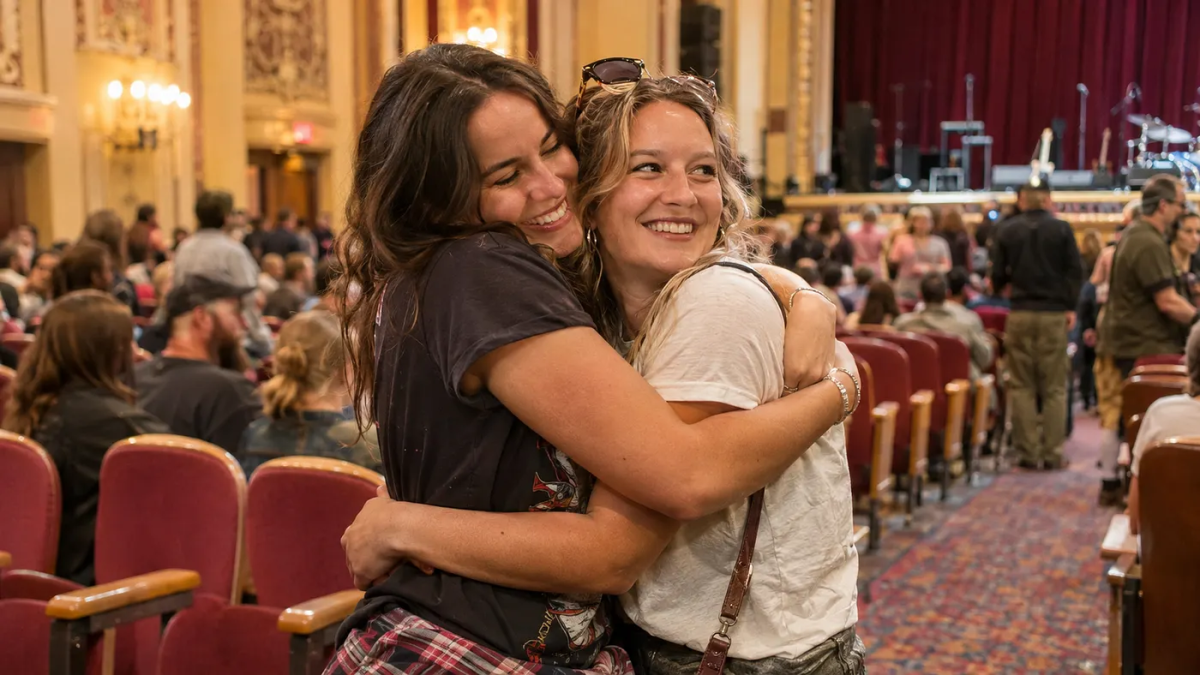
Empowering connections within your audience can have so many benefits. Photo Credit by Michael Whalen
Your music can give people a reason to meet. You do not have to become the subject of every conversation they have afterward.
In 2008, fans who had been matched as strangers in shared cottages at a Marillion concert weekend were booking the next event together as friends. They wanted to hear the band again. They also wanted to see one another. The music had brought them into the same place, and something had happened that nobody could have put on the itinerary.
That is worth paying attention to, especially if you have been told to “build a community” without much explanation of what that actually means.
You can put your fans into a group chat and keep them informed about everything you are doing. That may be useful. It still leaves open the question of whether they have any relationship with each other. A follower count cannot answer that question, however impressive it looks in a presentation.
The business case is tempting. If people expect to see friends at your show, they may have another reason to return. There is nothing wrong with wanting that to help sustain your career. The trouble begins when friendship becomes another thing fans are expected to deliver, along with streams, ticket purchases and promotional posts. You can make it easier for people to connect. They get to decide whether they want to.
Start with the person who wants to come but has nobody to come with. Among Frank Turner’s fans, Solo Armada has helped people find company when attending gigs alone. Connections made through its lockdown livestreams carried into meetings at Lost Evenings. The problem it addresses is familiar: loving the music does not necessarily make walking into a room full of strangers comfortable.
An invitation becomes more useful when someone knows where to go and who will be expecting them. A recognizable host at a meeting point before the show can help. So can an explanation of what will happen and how long it will last. Give people a way to join without having to announce themselves to the entire room. Nobody needs an audition for friendship.
It also helps to offer something enjoyable to do together. Laufey’s Book Club collaborated on a reading event that combined silent reading with small-group conversation. Books gave people another shared interest and something to talk about beyond their admiration for the artist. Whether anyone met again was a separate question.
Your audience might enjoy a listening session, a discussion about making records or a local volunteer project. People who live far apart might prefer an occasional online gathering or a discussion they can join in their own time. You do not necessarily need another platform. A record shop, a local venue or a fan’s existing group may already provide a place where this can happen.
Choose something worth doing even if no friendships result. Someone who enjoys an evening and goes home happy has not failed to engage deeply enough. They had a good evening. Let that count.
Give people another opportunity to show up, too. Recognizing someone from last time can make the next conversation easier. A modest, dependable gathering leaves room for that familiarity to develop. An elaborate launch that exhausts the host after two weeks does not offer much continuity. Pick a schedule you can support, and accept that some people will take their time.
As a group develops, pay attention to how it treats someone arriving for the first time. Longtime fans have shared stories and references; that is part of the pleasure. But knowing your earliest recordings should not confer the right to sneer at someone who discovered you yesterday. Welcome the person who came through the hit single. They should not have to apologize for liking it.
You have some influence over this. Recognize people who help newcomers. Address harassment even when the person responsible buys everything you release. Make room for disagreement about the music. Someone should be able to say the new record did not work for them and still feel welcome next week.
Practical details matter just as much. A gathering may be too expensive, too late or difficult to reach. Fans may need seating, a quieter space or clear information about wheelchair access. Someone arranging childcare needs to know when the evening ends. Ask about these things before interpreting low attendance as a lack of interest. An empty chair tells you very little about the person who could not fill it.
You may also discover that fans have already built something without your involvement. Phish fans met through online discussion and tape trading, became concert companions, and developed relationships that extended to weddings, vacations and the creation of the Mockingbird Foundation. The music remained important while those relationships acquired lives beyond it.
If people are already organizing around your work, ask what would help. They may need a venue contact, a contribution toward room hire or help making an event easier to find. They may be perfectly happy with what they have. Supporting their efforts does not require taking over the group or collecting everyone’s contact information. Sometimes the useful contribution is small.
The work of keeping things going deserves more attention than it usually gets. The independent BTS fan collective One In An ARMY describes limits on what its volunteers can take on, including the need to avoid exhausting themselves and their audience. Caring deeply does not create more hours in the week. Your most enthusiastic fan is still a person with a life outside your music.
If you operate an official space, budget for the responsibilities that come with it. Hosts need backup, and moderators need support when problems arise. Anyone taking on a role should understand its limits and be able to step away. The same applies to you. Making music does not obligate you to run a social network or remain available whenever someone wants your attention.
Charging for an event can be reasonable. Rooms cost money, and people deserve to be paid for their work. Explain what the fee covers. Be careful about turning spending into social rank or making every gathering another occasion to recruit, buy or promote. Give people a way to attend without becoming material for the marketing recap. They may want to meet each other without appearing in your next post.
Some fans will want none of this. They may already have enough social obligations. They may listen to your music because it offers a little space away from other people’s expectations. Leave the invitation open without making their absence a problem. They can care about your work and decline the group chat.
And when friendships do form, allow them to go somewhere you did not plan. People may meet between tours, talk about something other than your music or remain close after one of them stops following your career. That does not diminish what your work made possible.
You gave them a reason to meet. Let them decide what comes next. Empower, empower, empower…






Leave a Reply