
A Cold War Drama Explores Fear, Isolation, And One Man’s Search For Security
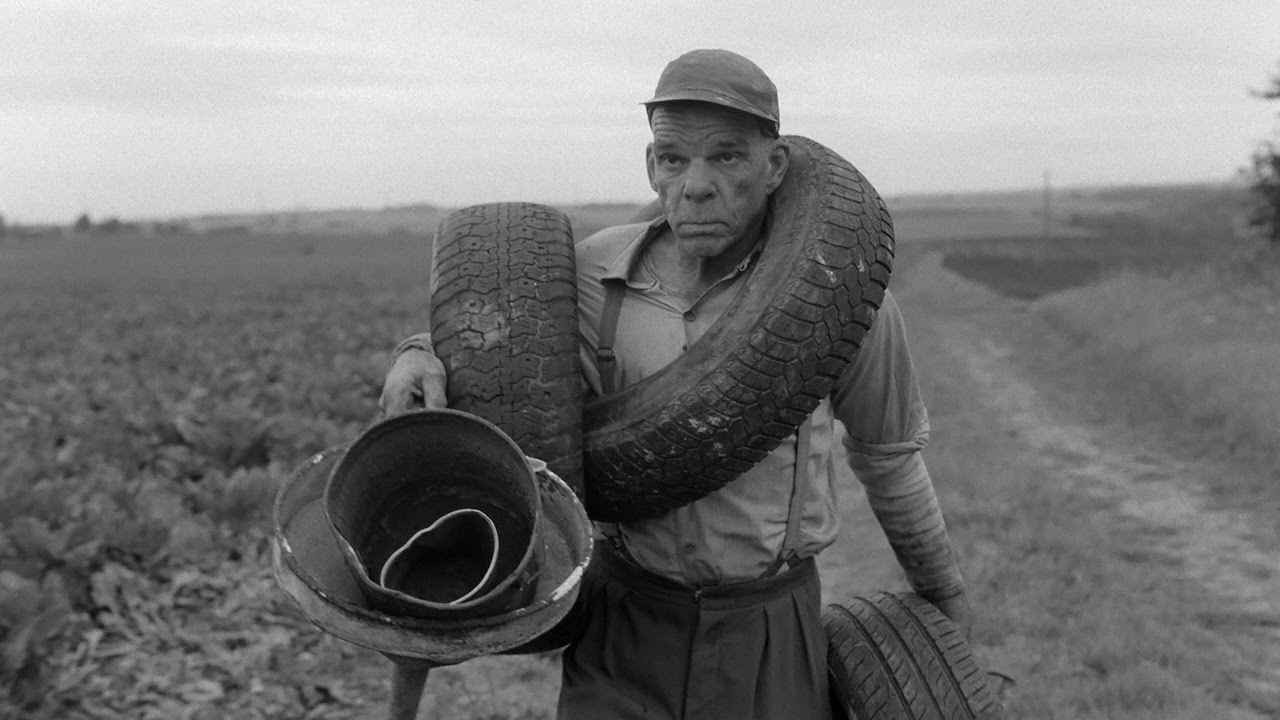
At the height of the Cold War, a quiet Swedish farmhand becomes consumed by a singular mission: transforming his home into a fully functioning community shelter in preparation for a possible nuclear conflict. While everyday rural life continues around him, his determination to prepare for an uncertain future gradually separates him from those closest to him. Set against the peaceful Swedish countryside and filmed in striking black-and-white cinematography, Redoubt examines how global political tensions can quietly reshape individual lives far from the battlefield.
Blending historical drama with psychological observation, Redoubt explores fear, isolation, community, preparedness, and the emotional consequences of living under the constant shadow of catastrophe. Rather than depicting war itself, the film focuses on how the anticipation of conflict can become just as powerful as conflict itself.
Why This Film Is Worth Discovering: A Cold War Story Told Through Everyday Life
Director John Skoog transforms a little-known true Swedish story into an intimate meditation on fear, resilience, and ordinary people living through extraordinary historical circumstances. Instead of portraying the Cold War through political leaders or international crises, Redoubt reveals how global uncertainty quietly influenced everyday communities, using minimalist storytelling and striking visual imagery to create a deeply atmospheric experience.
Why It Stands Out: A Quiet Drama About Living With The Fear Of War
-
A Different Perspective On The Cold War: Rather than focusing on spies or military conflict, the film examines how ordinary civilians prepared for a threat that never arrived. It offers a rare human perspective on one of history’s most anxious periods.
-
A Story About Everyday Resilience: The protagonist’s determination to build a community shelter reflects both personal conviction and a desire to protect others. His actions transform fear into a deeply human search for security and purpose.
-
Striking Black-And-White Cinematography: The monochrome visuals give the Swedish countryside a timeless, almost dreamlike quality while reinforcing the story’s themes of memory and uncertainty. The visual style becomes an essential part of the film’s emotional atmosphere.
-
Minimalist Storytelling Creates Emotional Depth: Quiet moments, sparse dialogue, and careful observation allow audiences to experience the protagonist’s growing isolation without dramatic spectacle. Its restrained approach gives the story lasting emotional power.
-
A Strong Central Performance: Denis Lavant anchors the film with a subtle and compelling portrayal of a man driven by both fear and hope. His understated performance gives remarkable humanity to an unusual historical character.
Redoubt offers audiences a thoughtful historical drama while inviting reflection on how uncertainty, anxiety, and the desire for safety continue shaping societies long after the Cold War ended.
What Is The Film About?: One Man Builds A Shelter Against An Uncertain Future
During the height of Cold War tensions, a Swedish farm worker dedicates himself to transforming his house into a fully equipped community shelter, convinced that preparing for disaster is both necessary and responsible. As neighbors continue their ordinary lives, his growing obsession gradually sets him apart, revealing the emotional burden of living under the constant possibility of nuclear conflict.
Starring Denis Lavant, Agnieszka Podsiadlik, Aron Skoog, Livia Millhagen, Michalis Koutsogiannakis, Tilda Nilsson, and Sol Roach, the film combines historical drama, psychological storytelling, and social observation while exploring fear, preparedness, community, isolation, memory, responsibility, and resilience.
Should You Watch It?: A Thoughtful Historical Drama That Values Atmosphere Over Action
Recommended For: Movie Audiences Who Appreciate Arthouse And Historical Cinema
-
Fans Of Slow-Burn Historical Dramas: The film explores the emotional impact of the Cold War through quiet observation rather than dramatic events. Its restrained storytelling creates a powerful sense of reflection.
-
Viewers Interested In European Arthouse Cinema: John Skoog combines minimalist filmmaking with rich visual composition. The result is a distinctive and deeply atmospheric cinematic experience.
-
Fans Of Character-Driven Stories: The protagonist’s emotional journey remains at the heart of the narrative. His personal struggle reflects wider social anxieties during the Cold War.
-
Audiences Interested In History Beyond The Battlefield: The film examines how geopolitical tensions affected ordinary civilians rather than soldiers or political leaders. It offers a unique perspective on one of the twentieth century’s defining eras.
-
Filmmakers And Festival Audiences: Its black-and-white cinematography, minimalist direction, and observational style demonstrate contemporary European art cinema at its most confident. The film rewards viewers who appreciate visual storytelling and subtle emotional nuance.
May Not Appeal To: Viewers Seeking Conventional Historical Drama
-
Fans Of Fast-Paced Narratives: The film unfolds gradually through atmosphere, character, and quiet observation rather than dramatic plot developments. Its greatest strengths lie in mood and contemplation.
-
Viewers Expecting Traditional War Films: Although rooted in the Cold War, the story focuses on civilian life rather than military conflict. Its interest lies in psychological tension instead of combat.
Overall, Redoubt is highly recommended for audiences seeking an intelligent historical drama that combines beautiful visual storytelling with a quietly powerful exploration of fear, community, and the lasting psychological legacy of the Cold War.
Why Everyone Is Talking About It: Cold War Anxiety Becomes A Timeless Human Story
Redoubt has drawn attention for offering an unusual perspective on the Cold War. Instead of depicting political leaders, espionage, or military confrontations, the film explores how the fear of nuclear conflict shaped the lives of ordinary people living in peaceful rural communities. By focusing on one man’s determination to prepare for a disaster that never comes, the story transforms a historical period into an intimate reflection on anxiety, responsibility, and survival.
The film also reflects the continued popularity of European arthouse cinema that revisits history through deeply personal narratives. Rather than explaining the Cold War through major geopolitical events, Redoubt shows how global uncertainty quietly influenced daily life, making its themes feel surprisingly relevant in an era once again marked by international instability and security concerns.
Audience & Critical Reception: Critics Praise Its Atmosphere And Visual Storytelling
Redoubt has received positive early critical attention for its distinctive visual style, thoughtful direction, and contemplative approach to historical storytelling. Reviewers have particularly praised John Skoog’s use of black-and-white cinematography, which gives the Swedish countryside a timeless quality while reinforcing the film’s themes of memory, isolation, and uncertainty.
Many critics have also highlighted Denis Lavant’s understated central performance, noting how his restrained portrayal captures both the quiet determination and emotional vulnerability of a man preparing for an imagined catastrophe. Rather than relying on conventional dramatic conflict, the film builds its emotional impact through atmosphere, observation, and carefully composed imagery.
Its strongest appeal is likely to be among audiences who appreciate European arthouse cinema, slow-burn historical dramas, and visually driven storytelling that encourages reflection rather than spectacle.
Recognition Highlights: Festival Recognition For An Ambitious Historical Drama
-
International Festival Premiere: Redoubt has been introduced through the international festival circuit, where its distinctive visual style and unconventional approach to Cold War history have attracted attention. Its festival presence positions the film within contemporary European arthouse cinema.
-
Three Award Nominations: The film has earned three festival award nominations, recognizing the strength of its artistic vision and direction. The nominations reflect growing appreciation for its original approach to historical storytelling.
-
A Distinctive Directorial Voice: Director John Skoog combines documentary-like observation with carefully composed cinematic imagery to create a unique historical drama. His restrained style distinguishes the film from more conventional period productions.
-
Visual Storytelling At The Center: The film’s striking black-and-white cinematography has become one of its defining characteristics. Its visual identity strengthens both the emotional atmosphere and historical authenticity.
Standout Element: Preparing For A War That Never Comes
Rather than depicting conflict itself, Redoubt explores the emotional consequences of living under the constant expectation of disaster.
-
Fear Shapes Everyday Life: The protagonist’s shelter becomes both a practical project and a symbol of the psychological burden created by Cold War uncertainty. The film shows how anticipation can be as powerful as conflict itself.
-
History Is Experienced Through Ordinary People: Instead of focusing on politicians or military leaders, the story follows a rural farmer whose life is quietly transformed by global events. This personal perspective gives historical events remarkable emotional intimacy.
-
Minimalism Creates Powerful Emotion: Silence, routine, and carefully observed daily rituals gradually reveal the protagonist’s inner world. Its understated storytelling rewards patient and attentive viewers.
-
The Landscape Mirrors The Mind: The peaceful Swedish countryside contrasts sharply with the invisible fear that motivates the protagonist’s actions. This contrast gives the film both visual beauty and emotional complexity.
Why This Film Matters: Historical Memory Extends Beyond The Battlefield
Redoubt demonstrates that the Cold War was not experienced only through diplomacy, military strategy, or political confrontation. For millions of ordinary people, it became a psychological reality that shaped everyday decisions, family life, and perceptions of safety. By focusing on civilian preparedness rather than military conflict, the film broadens our understanding of one of the twentieth century’s defining historical periods.
The film also highlights how contemporary European filmmakers continue uncovering overlooked local histories that resonate far beyond their national borders. Through quiet storytelling and emotional authenticity, Redoubt transforms a uniquely Swedish experience into a universal reflection on fear, resilience, and the human need for security.
Entertainment Signal: Historical Cinema Continues Finding Drama In Everyday Lives
Contemporary historical films increasingly move away from grand spectacles to examine how ordinary people experience extraordinary moments in history. Audiences continue embracing intimate stories that reveal the emotional consequences of political and social change through personal experiences rather than large-scale historical events.
Redoubt reflects this growing movement, demonstrating that thoughtful, character-driven historical dramas remain an important and evolving part of international arthouse cinema.
Industry Opportunities: Personal History Continues Inspiring Global Arthouse Cinema
For Filmmakers: Everyday Lives Can Reveal Extraordinary History
Historical cinema does not always require battles or political leaders to tell compelling stories. Redoubt demonstrates how ordinary people living through periods of uncertainty can offer fresh perspectives on major historical events. Small, personal stories continue providing filmmakers with powerful ways to explore universal human experiences.
For Producers & Distributors: Visually Distinctive Arthouse Films Travel Internationally
International audiences continue embracing European films that combine strong visual identity with culturally specific storytelling. Historical dramas rooted in local experiences increasingly succeed at festivals and on streaming platforms because their emotional themes resonate across cultures. Authenticity and artistic vision remain key drivers of international arthouse success.
For Streaming Platforms: Prestige International Cinema Builds Long-Term Cultural Value
Award-oriented historical dramas continue attracting viewers interested in world cinema, history, and auteur filmmaking. Their timeless themes and distinctive visual styles encourage long-term discovery well beyond their festival premieres. Curated international cinema remains an important part of premium streaming catalogues.
Future Outlook: Historical Dramas Will Continue Exploring The Psychology Of Everyday Life
As contemporary filmmakers revisit the twentieth century from new perspectives, more historical dramas are likely to focus on how ordinary people experienced political uncertainty, social change, and global conflict. Rather than retelling familiar historical events, future films will increasingly examine the emotional and psychological realities that shaped daily life during periods of transformation.
Films like Redoubt suggest that audiences continue valuing intimate historical storytelling that connects personal memory with broader social history, allowing forgotten experiences to become meaningful for new generations.
Final Verdict: A Visually Striking Meditation On Fear, Memory, And Survival
Redoubt transforms an unusual chapter of Cold War history into a thoughtful and visually captivating exploration of fear, resilience, and the quiet determination of ordinary people. John Skoog combines minimalist storytelling with remarkable black-and-white cinematography to create a historical drama that values atmosphere, observation, and emotional authenticity over conventional narrative spectacle.
For movie audiences, it offers a contemplative journey into one man’s response to an era defined by uncertainty. For filmmakers, producers, distributors, festival programmers, and entertainment professionals, it demonstrates the continued international appeal of historically grounded arthouse cinema that combines strong visual identity with deeply human storytelling.
Summary Of The Movie: Preparing For Disaster Becomes A Story About Humanity
-
Movie Themes: Fear, community, preparedness, isolation, memory, resilience, responsibility, survival, and historical uncertainty shape the narrative. Together they create an intimate portrait of ordinary people living beneath the shadow of global conflict.
-
Top Cast: Denis Lavant delivers a quietly powerful central performance, supported by Agnieszka Podsiadlik, Aron Skoog, Livia Millhagen, Michalis Koutsogiannakis, Tilda Nilsson, and Sol Roach. Their understated performances reinforce the film’s naturalistic and emotionally restrained style.
-
Awards & Recognition: Redoubt has received three award nominations, highlighting its artistic ambition and distinctive approach to historical storytelling. Its festival recognition reflects growing appreciation for visually innovative European arthouse cinema.
-
Standout Element: A farmer’s determination to build a community shelter becomes a powerful metaphor for humanity’s search for safety during uncertain times. The film transforms Cold War anxiety into a timeless reflection on hope, fear, and resilience.
-
Entertainment Signal: Contemporary historical cinema increasingly explores major historical periods through intimate personal stories rather than large-scale political narratives. Character-driven historical dramas continue defining the evolution of international arthouse filmmaking.
-
Why Watch This Movie: Viewers who appreciate European cinema, slow-burn historical dramas, striking black-and-white cinematography, and thoughtful character studies will discover a rewarding and emotionally resonant film. Its visual beauty and psychological depth make it a memorable arthouse experience.
-
Where To Watch: Following its 2026 Swedish release and international festival screenings, Redoubt is expected to expand through specialty theatrical releases, festival programming, and premium streaming platforms dedicated to international and independent cinema.






Leave a Reply