
Brazil | 2026 | 80 min | Experimental / Political Drama
A Silent House in Brazil Becomes a Portrait of Political Division and Unbearable Tension
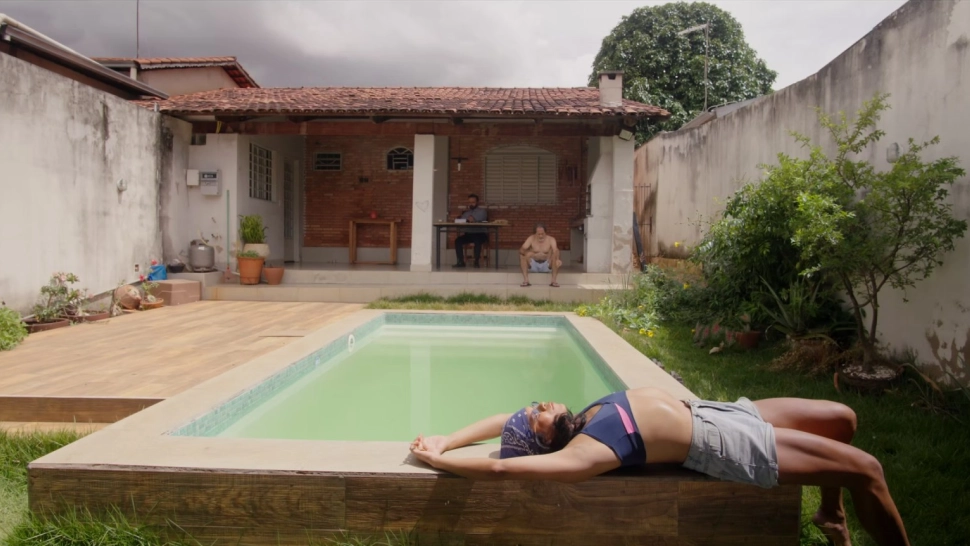
In Sonora (2026), a house on the outskirts of Goiânia, Brazil, becomes a confined space where nobody speaks to one another, yet political conflict remains impossible to escape. As ideological polarization enters the household through noise, the atmosphere grows increasingly oppressive, affecting the bodies and emotional states of those inside. Without dialogue, director Dostoiewski Champangnatte transforms silence, sound and physical tension into the film’s primary storytelling tools. The house becomes a reflection of a divided society, where political disagreements no longer require direct confrontation to shape human relationships. Through its experimental approach, the film explores how social conflict can penetrate everyday life until even silence becomes unbearable.
➡️ Storyline: Silent Household → Political Noise → Growing Tension → Physical Discomfort → Social Disconnection → Unbearable Silence.
Why to Watch Sonora: Political Polarization Becomes a Disturbing Sensory Experience
Sonora explores political division through experimental filmmaking, replacing conventional dialogue with sound, silence and bodily expression to reveal how ideological conflict affects private life and human relationships.
|
1. Dostoiewski Champangnatte’s Direction |
The Brazilian filmmaker uses a dialogue-free experimental approach to transform political tension into an intimate sensory experience. |
|
2. Political Polarization |
The film examines how ideological divisions penetrate domestic environments, creating emotional distance without direct confrontation. |
|
The contrast between intrusive noise and the absence of speech becomes the central narrative device, communicating conflict beyond words. |
|
|
4. Physical and Psychological Tension |
Bodily rigidity and growing discomfort express the emotional consequences of living within a polarized environment. |
|
5. Experimental Political Storytelling |
A single domestic setting becomes a metaphor for wider social divisions, connecting personal isolation with collective political conflict. |
➡️ Reason to Watch: A dialogue-free Brazilian experimental film that transforms political polarization into a sensory experience, revealing how ideological conflict can turn ordinary domestic silence into psychological tension.
Why Sonora Stands Out: Political Conflict Is Experienced Rather Than Explained
Sonora distinguishes itself by avoiding conventional political debates and instead presenting polarization as an atmosphere that physically affects the people inside a house. Its absence of dialogue shifts attention toward sound, silence and bodily expression, creating a form of storytelling in which political tension is felt rather than verbally explained. The domestic setting makes the conflict intimate, suggesting that ideological divisions can influence relationships even when individuals refuse or are unable to communicate. By transforming an ordinary house into a space of escalating discomfort, the film creates a connection between experimental cinema and contemporary social anxieties. Its distinctive approach lies in treating political polarization not simply as a disagreement between opinions but as a condition that shapes everyday emotional and physical experience.
➡️ Why It Stands Out: A political drama that replaces spoken confrontation with sensory tension, turning silence into a powerful expression of social division.
Movie Trend: Experimental Political Dramas — Political Conflict Becomes a Physical Experience
Experimental Political Dramas challenge conventional storytelling by using unconventional visual, auditory and narrative techniques to explore social and ideological conflict. Sonora reflects this trend by presenting political polarization through noise, silence and bodily tension rather than spoken arguments. Its domestic setting transforms a wider social issue into an intimate experience, suggesting that political divisions can influence people even when they avoid direct discussion. The film’s dialogue-free structure encourages viewers to interpret the relationship between sound, physical discomfort and emotional isolation. By emphasizing atmosphere over explanation, it demonstrates how experimental cinema can communicate political anxiety through sensory experiences.
➡️ Movie Trend Insight: Experimental Political Dramas transform ideological conflict into sensory storytelling, revealing how political tensions shape emotions, bodies and everyday relationships.
Broad Trend: Political Polarization — Ideological Divisions Invade Private Life
Political Polarization reflects the growing separation between opposing political identities and the difficulty of maintaining understanding across ideological differences. In Sonora, this division extends beyond public debate into the private environment of a household, where people share physical space but remain disconnected through silence. Political noise becomes an intrusive presence, creating tension even without direct confrontation. The film suggests that polarization can affect emotional security and interpersonal relationships by making ordinary coexistence uncomfortable. Rather than presenting a specific political argument, it explores the human consequences of ideological division, particularly the breakdown of communication and the increasing difficulty of finding common ground.
➡️ Broad Trend Insight: Political Polarization extends beyond ideological disagreement, creating emotional distance and weakening the communication that allows people to coexist.
Viewer Profile: Audiences Interested in Experimental Cinema, Politics and Social Conflict
Sonora is likely to appeal to audiences interested in experimental filmmaking, politically engaged cinema and unconventional approaches to contemporary social issues. Its dialogue-free structure and emphasis on sensory expression create a distinctive experience for viewers who appreciate films that encourage interpretation rather than provide straightforward explanations. These audience profiles are editorial interpretations rather than verified demographic research.
|
Experimental cinema enthusiasts, political film audiences and viewers interested in socially conscious independent filmmaking |
|
|
Adult audiences interested in political issues, social conflict and unconventional cinematic expression |
|
|
Interested in contemporary politics, cultural criticism, human rights, independent art and social relationships |
|
|
Experimental dramas, avant-garde cinema, political films and nonverbal storytelling |
|
|
Understanding how political polarization transforms a silent household into an environment of emotional and physical tension |
|
|
International film festivals, independent Brazilian cinema, experimental directors and politically engaged filmmaking |
|
|
Anxiety, alienation, frustration, curiosity and the desire for understanding |
Key Profiles: Three Audiences, Three Reasons to Watch
1. Experimental and Avant-Garde Cinema Enthusiasts
Viewers attracted to unconventional cinematic techniques, sensory storytelling and films that challenge traditional narrative structures. Sonora offers a dialogue-free experience in which sound, silence and bodily expression communicate political conflict.
2. Political and Social Drama Audiences
Audiences interested in cinema examining ideological divisions, social disconnection and the effects of political conflict on everyday life. The film transforms polarization into an intimate domestic experience rather than a conventional political debate.
3. International Film Festival and Independent Cinema Viewers
Viewers who discover films through international festivals, experimental cinema programs and independent filmmaking platforms. The film’s Brazilian setting and distinctive formal approach offer a perspective on political polarization through nontraditional storytelling.
➡️ Audience Insight: Sonora connects experimental filmmaking with contemporary political anxieties, appealing to viewers interested in how social division affects communication, emotional security and everyday coexistence.
What This Movie Means for the Industry: Experimental Cinema Finds New Ways to Represent Political Conflict
Sonora illustrates how experimental cinema can approach contemporary political issues without relying on conventional dialogue or explanatory narratives. By using sound, silence and physical expression, Dostoiewski Champangnatte transforms political polarization into a sensory experience that encourages interpretation. Its compact domestic setting demonstrates how independent filmmakers can communicate wider social concerns through concentrated visual and auditory techniques. The film’s inclusion in the 2026 Lumen – Rio de Janeiro Independent Film Festival and its professional listing on Festival Scope Pro provide channels for specialist discovery, although they do not establish broader distribution or commercial performance. Its creative significance lies in demonstrating how political storytelling can move beyond ideological debate to examine the emotional and physical consequences of social division.
➡️ Industry Insight: Experimental political cinema can create distinctive perspectives on contemporary social issues by replacing conventional exposition with sensory storytelling and emotionally charged environments.
Final Verdict: A Dialogue-Free Brazilian Drama About Political Division and Social Disconnection
Sonora (2026) is an experimental Brazilian political drama that explores how ideological polarization affects private life through sound, silence and bodily tension. Dostoiewski Champangnatte transforms a quiet household into an unsettling environment where political conflict becomes physically and emotionally present. Its unconventional approach offers a distinctive perspective on social division, although the absence of dialogue and traditional narrative development may challenge viewers expecting a conventional political drama.
➡️ Final Verdict: Sonora transforms a silent Brazilian household into a disturbing portrait of political polarization and emotional isolation. Its strongest appeal lies in communicating ideological conflict through sound, physical discomfort and the breakdown of communication. The film is particularly suited to audiences interested in experimental cinema, politically engaged storytelling and unconventional explorations of contemporary social tensions.
Final Insights: Political Polarization Turns Silence Into a Form of Social Conflict
The Political Polarization trend reflects how ideological divisions can extend beyond public debate into personal relationships and everyday environments. Sonora explores this tension through a silent household where political noise creates increasing emotional and physical discomfort.
The Experimental Political Dramas trend transforms these social anxieties into sensory storytelling, replacing spoken confrontation with sound, silence and bodily expression. By making polarization something viewers experience rather than simply observe, the film reveals how ideological conflict can undermine communication and coexistence. The most disturbing consequence of polarization may be the inability to communicate, even when people occupy the same space.
➡️ Final Insight: Political Polarization → Experimental Political Dramas → Social Disconnection Through Silence and Sensory Conflict. Sonora explores how ideological divisions enter private life and transform everyday environments into spaces of tension. The creative opportunity lies in using experimental cinematic techniques to communicate the human consequences of political conflict beyond conventional debate.







Leave a Reply