
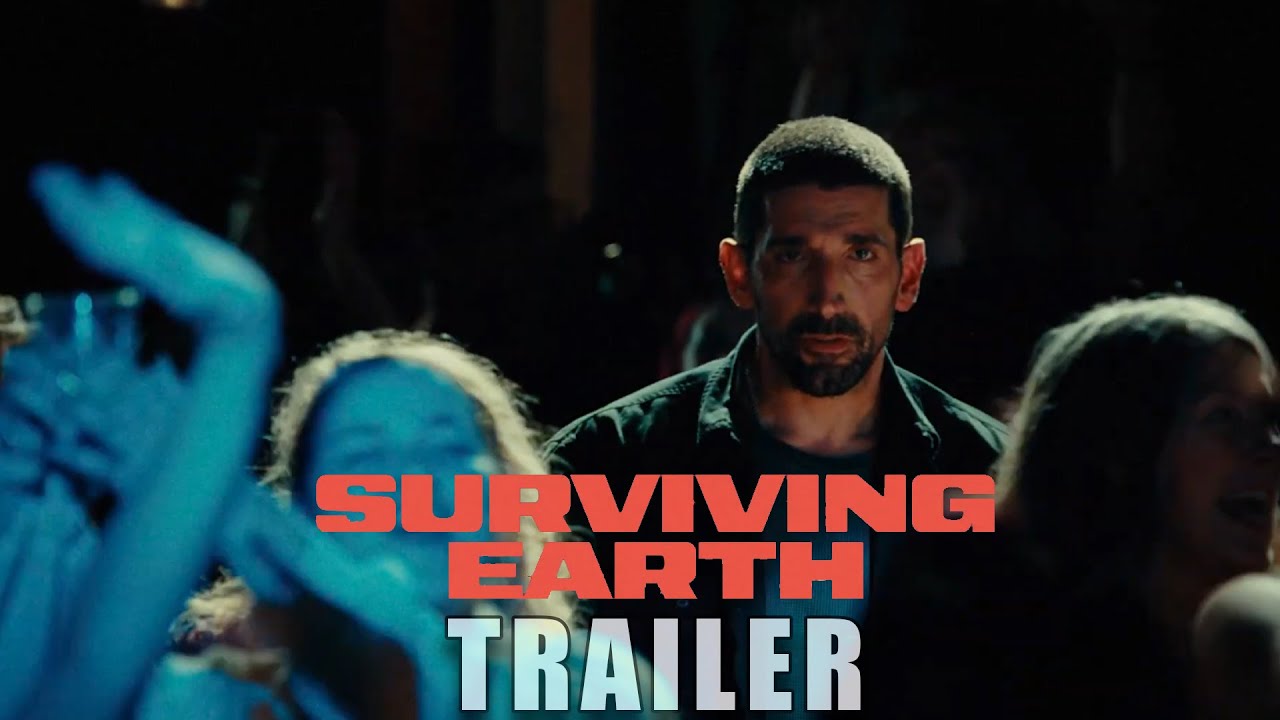
A Refugee Drama About Trauma, Music, and the Search for Belonging
After fleeing the violence and upheaval of the Yugoslav Wars, Vlad settles in Bristol hoping to build a peaceful life far removed from the conflicts that shaped his past. A gifted harmonica player, he finds comfort and identity through music, eventually forming a Balkan band that reconnects him to memories of home while helping him forge new relationships. Yet the psychological scars of war remain difficult to escape, threatening both his fragile sense of stability and the bond he shares with his daughter. Through themes of displacement, family, healing, and cultural identity, the film explores the long-lasting consequences of trauma and the resilience required to begin again in an unfamiliar world.
➡️ Implication: Contemporary refugee dramas increasingly focus on emotional recovery and cultural identity rather than solely the experience of displacement.
Why It Is Trending: Refugee stories gaining relevance through emotional authenticity
Surviving Earth has attracted attention because it approaches migration and refugee experiences through an intimate family story rather than political spectacle. As global audiences become increasingly interested in narratives about identity, belonging, and intergenerational trauma, the film’s themes feel particularly timely. Director and writer Thea Gajic draws from Balkan cultural experiences to create a deeply personal exploration of memory and resilience. The film’s focus on music as a bridge between past and present further distinguishes it from conventional refugee dramas. Its festival recognition and positive audience response helped increase its visibility within the independent-film community.
➡️ Implication: Audiences increasingly connect with migration stories that emphasize personal humanity and emotional complexity.
Elements Driving the Trend: Trauma, family bonds, and cultural identity
The film builds its emotional impact around displacement, memory, grief, resilience, fatherhood, and cultural preservation. Vlad’s struggle to reconcile his past with his present creates the narrative’s central emotional tension. Music serves both as an artistic outlet and as a connection to a homeland that no longer exists in the same form. The father-daughter relationship adds emotional depth while highlighting the generational impact of trauma. Together, these elements create a thoughtful portrait of survival and healing.
➡️ Implication: Human-centered stories about identity and belonging continue driving engagement within contemporary drama.
Virality of Movie (Social Media Coverage): Strong resonance among festival and diaspora audiences
The film generated discussion among independent-film audiences, Balkan communities, and viewers interested in refugee narratives. Online conversations frequently highlighted its portrayal of post-war trauma and the role of music in preserving cultural identity. Audiences also responded positively to its father-daughter relationship and emotionally grounded storytelling. Festival viewers often praised the film’s sincerity and cultural specificity. Much of its visibility came through word-of-mouth support from arthouse and festival audiences.
➡️ Implication: Emotionally authentic cultural stories increasingly find audiences through community-driven advocacy and festival exposure.
Critics Reception: Recognition for emotional sincerity and cultural perspective
Critics generally praised the film’s emotional honesty, cultural authenticity, and compassionate storytelling. Reviews frequently highlighted Slavko Sobin for bringing vulnerability and dignity to Vlad’s journey. Critics also noted Thea Gajic’s sensitive handling of trauma, displacement, and family relationships. While some reviews suggested the narrative occasionally prioritized atmosphere over dramatic momentum, many appreciated its reflective tone and humanistic approach. Overall, critics viewed the film as a thoughtful contribution to contemporary refugee cinema.
➡️ Implication: Critics continue supporting intimate dramas that address complex social issues through personal storytelling.
Awards and Recognitions: Audience acclaim highlighting emotional impact
The film earned 1 win and 1 nomination on the international festival circuit. Its most significant achievement came at the Mannheim-Heidelberg International Filmfestival, where Thea Gajic won the Audience Award for International Competition (2025). Audience Awards are particularly meaningful because they reflect direct viewer engagement and emotional connection. The film also received a Golden Gate Award nomination for Narrative Feature at the San Francisco International Film Festival, further strengthening its festival reputation. These recognitions helped position the film as an important emerging voice within contemporary European independent cinema.
➡️ Implication: Audience-driven festival recognition increasingly helps intimate independent dramas gain visibility and credibility.
Director and Cast: Thea Gajic’s personal vision brought to life through powerful performances
Written and directed by Thea Gajic, the film combines cultural specificity with universal themes of family, memory, and survival. Gajic approaches the material with empathy and emotional restraint, allowing character relationships to drive the narrative rather than overt melodrama. Her direction emphasizes atmosphere, authenticity, and emotional nuance. The result is a film that feels both deeply personal and broadly relatable.
At the center of the story is Slavko Sobin as Vlad, delivering a performance defined by quiet strength, vulnerability, and emotional complexity. Supporting performances from Olive Gray, Oscar Adams, Anamaria Marinca, and Anica Dobra help enrich the film’s portrait of family, community, and cultural memory. Together, the ensemble creates a believable and emotionally resonant world.
➡️ Implication: Character-focused performances remain essential for translating complex historical experiences into emotionally accessible stories.
Conclusion: A moving portrait of healing, memory, and second chances
Surviving Earth transforms the experience of displacement into a deeply human exploration of identity, family, and emotional recovery. Its focus on one man’s effort to rebuild his life after war creates a story that resonates far beyond its specific cultural context. Thea Gajic approaches the subject with compassion and authenticity, crafting a narrative rooted in both personal and collective memory. Themes surrounding trauma, belonging, fatherhood, resilience, music, and cultural heritage remain central throughout the film. By balancing hardship with hope, the story offers a nuanced reflection on survival and renewal. Ultimately, the film becomes both a tribute to displaced communities and a reminder of the enduring human capacity to rebuild after loss.
➡️ Implication: Refugee-centered dramas will continue resonating as audiences increasingly seek emotionally authentic stories about resilience, identity, and belonging.
What Movie Trend Is Followed: Refugee resilience and identity-driven immigrant storytelling
Surviving Earth follows the growing trend of intimate dramas that explore migration, displacement, and post-war trauma through deeply personal character studies. Rather than focusing on the journey of escape itself, the film examines what happens after survival—when refugees must rebuild identities, relationships, and a sense of belonging in unfamiliar environments. Similar contemporary dramas increasingly center on intergenerational healing, cultural memory, and emotional recovery rather than political narratives alone. The movie also reflects a broader movement toward stories that celebrate immigrant communities while acknowledging the psychological costs of displacement. Its combination of family drama, music, and cultural identity aligns with a rising demand for human-centered migration stories.
➡️ Implication: Contemporary refugee dramas increasingly focus on emotional healing and belonging rather than solely on displacement and conflict.
Trend Drivers: Audiences seeking authentic stories of survival and renewal
Modern audiences increasingly connect with stories grounded in real emotional experiences and cultural authenticity. Refugee and immigrant narratives resonate because they explore universal themes of family, identity, loss, and hope. Viewers often appreciate films that humanize global issues through personal journeys rather than abstract political discussions. Stories centered on resilience and rebuilding create emotional engagement across cultures. These factors continue driving interest in refugee-centered dramas.
➡️ Implication: Human stories remain the most effective way to engage audiences with complex social issues.
What Is Influencing Trend: Greater visibility of migration experiences
Global migration has become one of the defining social realities of the modern era, leading to increased interest in stories about displacement and adaptation. Filmmakers increasingly explore the long-term emotional consequences of migration rather than focusing only on immediate survival. Audiences also show growing curiosity about underrepresented cultural perspectives and historical experiences. Independent cinema has become an important platform for these narratives. These influences continue strengthening refugee-focused storytelling.
➡️ Implication: Cultural specificity increasingly enhances rather than limits audience connection.
Macro Trends Influencing: Identity, belonging, and cultural preservation
Across contemporary cinema, there is growing interest in stories exploring heritage, memory, and the preservation of cultural identity. Many audiences increasingly seek narratives that address questions of belonging in a rapidly changing world. Music, language, family traditions, and shared history frequently become important storytelling tools within these films. Stories about maintaining identity while adapting to new environments resonate across multiple cultures. This broader cultural movement strongly supports films like Surviving Earth.
➡️ Implication: Identity-driven storytelling continues becoming a major force within independent cinema.
Consumer Trends Influencing: Demand for emotionally grounded social dramas
Viewers increasingly seek dramas that combine social relevance with strong emotional storytelling. Audiences often prefer films that examine major issues through individual experiences rather than overt political messaging. Stories about family relationships, trauma recovery, and personal resilience frequently generate stronger emotional investment. Festival audiences in particular continue supporting culturally specific narratives with universal themes. These viewing behaviors help sustain demand for refugee-centered dramas.
➡️ Implication: Emotional authenticity increasingly matters more than scale or spectacle within prestige drama.
Audience Analysis: Arthouse viewers, diaspora communities, and socially conscious audiences
The film primarily appeals to viewers aged 25–65 interested in independent cinema, international dramas, refugee stories, and family-centered narratives. Balkan diaspora communities may connect strongly with its cultural themes and historical context. Festival audiences and arthouse viewers are also likely to appreciate its reflective storytelling and emotional subtlety. Audiences interested in immigration, identity, and intergenerational relationships represent another key demographic. The film’s universal themes of family and healing broaden its appeal beyond culturally specific audiences.
➡️ Implication: Refugee dramas increasingly attract diverse audiences when personal stories transcend cultural boundaries.
Conclusion: A trend driven by belonging, memory, and emotional recovery
The trend reflected in Surviving Earth demonstrates how contemporary dramas increasingly explore migration through intimate stories of identity and healing. These narratives resonate because they examine universal human experiences while remaining culturally specific and authentic. Characters rebuilding their lives after displacement often create powerful emotional connections because they embody resilience and hope. The growing interest in cultural memory and belonging further strengthens these stories. Such films succeed through empathy, emotional honesty, and character depth rather than dramatic spectacle. Ultimately, the trend represents a broader movement toward cinema that explores how people preserve identity, family, and humanity after profound loss.
➡️ Implication: Identity-driven refugee dramas will continue growing as audiences increasingly seek authentic stories about resilience, memory, and belonging.
Final Verdict: A moving refugee drama about healing, identity, and the enduring power of family
Surviving Earth succeeds by transforming a story about displacement into a deeply personal exploration of trauma, belonging, and emotional recovery. Rather than focusing on the physical journey of migration, the film examines the long-term psychological consequences of war and the challenge of building a new life while carrying the weight of the past. Thea Gajic approaches the material with empathy and authenticity, creating a narrative rooted in both cultural specificity and universal human experience. Slavko Sobin delivers a nuanced performance that captures the quiet pain and resilience of a man struggling to protect the fragile life he has built. Themes surrounding trauma, family, identity, belonging, memory, and redemption remain central throughout the story. Ultimately, the film becomes both a refugee narrative and a powerful reflection on the human capacity to heal after profound loss.
➡️ Implication: Contemporary dramas increasingly explore resilience through intimate character studies rather than large-scale political narratives.
Audience Relevance: Speaks to anyone rebuilding after hardship
The film resonates strongly with viewers who have experienced loss, displacement, family conflict, or major life transitions. While rooted in the experience of a Yugoslav refugee, its emotional themes extend far beyond a specific historical context. Audiences connect with Vlad’s desire to create stability, protect his daughter, and find peace despite unresolved trauma. The story’s focus on rebuilding life after adversity makes it accessible to a broad range of viewers. Its emotional honesty strengthens its universal appeal.
➡️ Implication: Stories about recovery and renewal continue resonating because they reflect common human experiences.
What Is the Message of Movie: Survival is only the beginning of healing
The film suggests that escaping physical danger does not automatically resolve emotional wounds. Vlad’s journey demonstrates that true recovery requires confronting painful memories rather than avoiding them. The narrative highlights the importance of family, community, and creative expression in the healing process. Music becomes a symbol of connection, identity, and emotional release throughout the story. Ultimately, the film argues that healing is a gradual process built through relationships and self-acceptance.
➡️ Implication: Modern dramas increasingly portray recovery as an ongoing emotional journey rather than a single moment of transformation.
Relevance to Audience: Reflects modern conversations about trauma and belonging
The film feels particularly relevant in an era marked by migration, displacement, and increasing awareness of mental health issues. Audiences increasingly seek stories that explore trauma with empathy and nuance rather than sensationalism. Questions surrounding identity, belonging, and cultural preservation remain highly relevant across societies. The narrative also reflects contemporary conversations about the long-term impact of conflict on individuals and families. These themes help sustain the film’s emotional and social relevance.
➡️ Implication: Films addressing trauma and belonging continue gaining importance as audiences seek emotionally meaningful storytelling.
Social Relevance: Humanizing the refugee experience through personal storytelling
The movie contributes to broader conversations about migration by focusing on the lived experiences of displaced individuals rather than political debates. It highlights how refugees carry not only physical memories of conflict but also emotional and psychological burdens. Through Vlad’s story, the film encourages empathy and understanding toward those rebuilding their lives after displacement. The narrative also emphasizes the importance of preserving cultural identity while adapting to new environments. This human-centered approach strengthens its social significance.
➡️ Implication: Personal narratives remain powerful tools for fostering empathy and cultural understanding.
Performance: Slavko Sobin anchors the film with quiet emotional depth
Slavko Sobin delivers a restrained and emotionally rich performance as Vlad, capturing both the visible and invisible scars of displacement. His portrayal balances vulnerability, strength, guilt, and hope, creating a character who feels deeply authentic. Supporting performances from Olive Gray, Oscar Adams, Anamaria Marinca, and Anica Dobra further strengthen the emotional realism of the narrative. Together, the cast creates a believable portrait of family, friendship, and community.
➡️ Implication: Authentic performances remain essential when portraying emotionally complex historical experiences.
Legacy: An important addition to contemporary refugee cinema
Surviving Earth contributes to a growing body of films that explore displacement through intimate and character-driven storytelling. Its focus on post-war trauma and cultural identity distinguishes it from more conventional migration narratives. The film also introduces a Balkan perspective that remains relatively underrepresented within international cinema. Its audience recognition at major festivals suggests potential long-term relevance within discussions surrounding refugee storytelling. Over time, it may be remembered as a thoughtful and compassionate exploration of life after displacement.
➡️ Implication: Refugee narratives continue evolving toward more nuanced explorations of identity, memory, and healing.
Success: Festival audiences embracing its emotional authenticity
The film’s greatest success came through festival recognition and audience engagement. Its most significant achievement was winning the Audience Award for International Competition at the Mannheim-Heidelberg International Filmfestival, demonstrating a strong emotional connection with viewers. It also earned a Golden Gate Award nomination for Narrative Feature at the San Francisco International Film Festival. While its commercial performance remained modest, its festival reception validated its storytelling approach and artistic vision. The recognition helped establish Thea Gajic as an emerging voice within independent cinema.
➡️ Implication: Audience recognition continues serving as a powerful indicator of emotional impact within independent filmmaking.
Insights: The film uses one refugee’s journey to explore universal themes of trauma, family, identity, and healing. Industry Insight: Independent cinema increasingly favors intimate migration stories rooted in cultural authenticity and emotional realism. Audience Insight: Viewers strongly connect with narratives that humanize displacement through personal and family relationships. Social Insight: The story highlights the lasting psychological impact of war and the importance of empathy toward displaced communities. Cultural Insight: Music, memory, and heritage continue serving as powerful storytelling tools for exploring identity and belonging.
Conclusion: A compassionate portrait of survival beyond survival
Surviving Earth transforms the refugee experience into a moving meditation on memory, resilience, and emotional recovery. Its focus on family relationships and cultural identity allows it to explore displacement through a deeply human lens. Thea Gajic crafts a story that balances pain and hope while avoiding simplistic conclusions. Slavko Sobin anchors the film with a performance filled with dignity and emotional honesty. Themes surrounding belonging, trauma, family, music, identity, and healing remain central throughout the narrative. Ultimately, the film becomes both a tribute to those rebuilding their lives after conflict and a reminder that true survival involves learning how to live again.
➡️ Implication: Refugee-centered dramas will continue resonating as audiences increasingly seek stories about resilience, humanity, and the enduring search for belonging.
Summary of the Movie: A refugee drama about healing, family, and finding belonging after loss
• Movie themes: Trauma, displacement, identity, family relationships, cultural heritage, resilience, belonging, memory, music, and emotional recovery — the film explores how a refugee attempts to rebuild his life while confronting the psychological wounds left by war.
➡️ Implication: Contemporary dramas increasingly focus on emotional healing and cultural identity as central aspects of the refugee experience.
• Movie director: Thea Gajic combines intimate storytelling, cultural authenticity, and emotional realism to create a compassionate portrait of survival beyond conflict. Her approach prioritizes character relationships and personal experiences over political commentary.
➡️ Implication: Emerging filmmakers increasingly use culturally specific stories to explore universal human emotions.
• Top casting: Slavko Sobin leads the film as Vlad, supported by Olive Gray, Oscar Adams, Anamaria Marinca, and Anica Dobra. Together, they create a deeply human portrayal of family, migration, and emotional recovery.
➡️ Implication: Character-driven performances continue defining the most effective refugee and immigrant dramas.
• Awards and recognition: The film earned 1 win and 1 nomination, highlighted by the Audience Award for International Competition at the Mannheim-Heidelberg International Filmfestival. Audience awards are particularly meaningful because they reflect direct viewer connection with the story. The film also received a Golden Gate Award nomination for Narrative Feature at the San Francisco International Film Festival, further validating its emotional impact and artistic quality.
➡️ Implication: Audience-driven festival recognition continues helping intimate independent dramas gain international visibility.
• Why to watch movie: A strong choice for viewers who enjoy refugee stories, family dramas, immigrant narratives, culturally rich cinema, music-centered storytelling, and emotionally grounded character studies focused on healing and resilience.
➡️ Implication: Audiences increasingly seek stories that humanize global issues through personal experiences.
• Key success factors: Emotional authenticity, cultural specificity, strong lead performance, meaningful father-daughter relationship, music as a storytelling device, festival recognition, and a compassionate exploration of trauma and recovery.
➡️ Implication: Human-centered storytelling remains one of the most powerful tools in contemporary independent cinema.
• Where to watch: Released on March 8, 2025, in the United States after premiering on the festival circuit. Produced by My Accomplice and Sona Films, the film has primarily reached audiences through festival screenings, independent theatrical distribution, and arthouse programming.
➡️ Implication: Festival-driven distribution remains an important pathway for culturally specific independent dramas.
Conclusion: A powerful reminder that survival is only the first step toward healing
Surviving Earth transforms the story of a Yugoslav refugee into a moving exploration of identity, memory, family, and resilience. Its emotionally intimate approach allows it to examine the lasting effects of trauma while celebrating the possibility of renewal and connection. Thea Gajic crafts a compassionate narrative that balances cultural specificity with universal emotional themes. Slavko Sobin delivers a heartfelt performance that captures both the pain of the past and the hope of moving forward. Themes surrounding belonging, cultural heritage, fatherhood, healing, music, and personal redemption remain central throughout the story. Ultimately, the film becomes both a tribute to displaced communities and a deeply human reminder that rebuilding a life requires courage, connection, and hope.
➡️ Implication: Refugee-centered dramas will continue growing in relevance as audiences increasingly seek authentic stories about resilience, identity, and the search for belonging.



Leave a Reply