
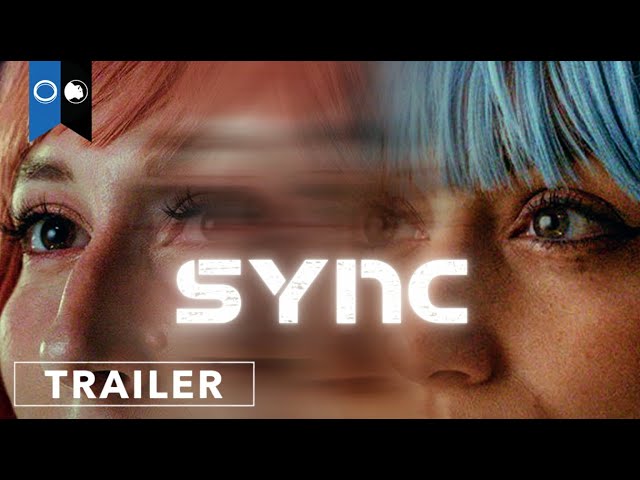
A psychological sci-fi thriller exploring loneliness, technology, and the terrifying consequences of hyper-connectivity
Sync is a near-future psychological sci-fi thriller set in a Los Angeles where microchip technology and neural networking have become part of everyday life. At the center of the story is Ayla, an anxious young woman seeking connection and stability after moving in with her childhood friend Devin. The two women experiment with a revolutionary communication application called “Sync,” which allows users to merge consciousness and share thoughts directly. Initially promoted as a tool for intimacy, empathy, and deeper understanding, the technology quickly reveals darker implications. As Ayla becomes increasingly entangled within Devin’s mind, she discovers disturbing memories, manipulative behavior, and a growing loss of personal autonomy. With only 72 hours before the synchronization becomes permanent, Ayla must determine what is real, what has been implanted, and whether she can reclaim control of her own identity. Combining science fiction, psychological horror, and social commentary, Sync explores humanity’s increasing dependence on technology to solve emotional loneliness.
➡️ Implication: Contemporary sci-fi increasingly examines technology as a threat to identity rather than simply a tool for convenience.
Why It Is Trending: AI anxiety and digital dependency becoming central cultural concerns
The film has attracted attention because its themes closely mirror current concerns surrounding artificial intelligence, social media dependency, surveillance, digital identity, and emotional isolation. Audiences increasingly worry that technology designed to connect people may actually deepen loneliness and manipulation. Sync taps directly into these anxieties by imagining a future where intimacy itself becomes technologically mediated. The concept feels especially timely as society debates AI companionship, algorithmic influence, and digital addiction. The film’s low-budget independent production also demonstrates how ambitious science-fiction concepts can be explored without major studio resources.
➡️ Implication: Audiences are increasingly drawn to speculative stories that reflect present-day technological anxieties.
Elements Driving the Trend: Mind-sharing technology and toxic relationships creating psychological tension
One of the film’s strongest elements is the way it combines futuristic technology with recognizable emotional dynamics. At its core, Sync is not simply about a new app but about manipulation, codependency, trust, and emotional control. The mind-sharing technology amplifies fears that already exist within toxic relationships. As Ayla loses the boundaries between her own thoughts and Devin’s influence, the film creates escalating psychological suspense. This blend of science-fiction and emotional realism helps distinguish the story from conventional technology thrillers.
➡️ Implication: The most effective sci-fi stories often use futuristic concepts to explore timeless human fears.
Virality of Film (Social Media Coverage): Black Mirror comparisons fueling audience curiosity
Online discussions frequently compare Sync to Black Mirror due to its exploration of technology, identity, and psychological manipulation. Viewers often highlight the film’s relevance to influencer culture, social media dependency, and the desire for validation. Discussions also focus on the ethical implications of mind-sharing technology and the dangers of sacrificing privacy for connection. The film’s independent production success has further generated admiration among indie-film communities. Many viewers describe it as an ambitious concept executed effectively on a modest budget.
➡️ Implication: Tech-focused psychological thrillers continue thriving when they reflect contemporary digital culture.
Critics Reception: Praise for originality, world-building, and independent filmmaking ambition
Audience and critical responses have largely praised the film’s originality and thematic relevance. Reviewers frequently highlight Carolina Alvarez’s direction, the film’s visual style, and its ability to create a convincing futuristic world despite a limited budget. Particular praise has been directed toward the performances of Carolina Alvarez and Tessa Markle. Critics have also noted the screenplay’s exploration of loneliness, manipulation, and technological dependence. While some viewers mention pacing issues, the overall reception recognizes the film as an impressive independent debut.
➡️ Implication: Independent science-fiction films increasingly compete through strong ideas rather than expensive visual effects.
Awards and Recognitions: Multiple festival victories highlighting independent genre success
Sync achieved notable success on the independent film festival circuit, earning 6 wins and 7 nominations.
Its most significant victories include the Audience Award at the Brooklyn SciFi Film Festival (2024) and the Hollywood Eagle Audience Award at the Polish Film Festival in Los Angeles (2025).
The film also won Best Sci-Fi/Fantasy Film and Best Feature Film Director for Carolina Alvarez at the Tampa Bay Underground Film Festival (2024). Additional recognition came through the ReFrame Stamp, celebrating inclusive filmmaking practices.
Tessa Markle received a Best Actress nomination at the HorrorOrigins Film Festival, while Carolina Alvarez earned a Best Director nomination at North Hollywood Cinefest.
These achievements are particularly impressive given the film’s estimated $60,000 budget, demonstrating how innovative storytelling can compete successfully within the independent genre landscape.
➡️ Implication: Independent science-fiction cinema continues proving that strong concepts and execution can outperform budget limitations.
Director and Cast: Carolina Alvarez blending social commentary with psychological suspense
Carolina Alvarez serves as writer, director, and lead actor, creating a highly personal vision of technological dystopia. Her portrayal of Ayla anchors the film’s emotional and psychological journey. Tessa Markle delivers a standout performance as Devin, balancing charm, vulnerability, and menace. Supporting performances from Kelly Lou Dennis and Helene Udy help build the film’s unsettling atmosphere. Together, the cast creates a believable world where emotional intimacy becomes a source of danger.
➡️ Implication: Character-driven performances remain essential for making speculative concepts emotionally compelling.
Conclusion: A timely sci-fi thriller about technology’s power to erase personal boundaries
Sync succeeds because it transforms a familiar concern—the desire for connection—into a disturbing exploration of identity, control, and technological dependence. Carolina Alvarez uses science-fiction not merely as spectacle but as a tool for examining contemporary fears surrounding loneliness and digital culture. The film’s psychological tension emerges from the terrifying possibility that intimacy itself can become a mechanism for manipulation. Supported by strong performances, festival recognition, and an inventive premise, the project stands out within the growing field of independent science-fiction cinema. Ultimately, Sync serves as both an entertaining thriller and a cautionary tale about the risks of surrendering personal boundaries in pursuit of connection.
➡️ Implication: The most relevant science-fiction films continue warning that humanity’s greatest technological advances may also create its greatest psychological vulnerabilities.
What Movie Trend Is Followed: Techno-paranoia thrillers and digital-identity horror exploring the cost of hyper-connectivity
Sync follows one of the fastest-growing trends in contemporary science fiction: stories examining how technology designed to connect people can ultimately threaten individuality, privacy, and personal autonomy. Similar to works such as Black Mirror, Her, and Ex Machina, the film explores humanity’s complicated relationship with technology and emotional dependency. However, Sync places particular emphasis on intimacy and friendship, imagining a future where sharing thoughts becomes normalized. By turning emotional closeness into a technological process, the film examines how boundaries between individuals can disappear entirely. The result is both a psychological thriller and a cautionary tale about digital intimacy.
➡️ Implication: Modern sci-fi increasingly explores technology’s ability to erode personal identity rather than simply improve communication.
Trend Drivers: Rising fears about AI, surveillance, and emotional manipulation
The rapid development of AI, neural technology, and algorithm-driven communication platforms has created growing public anxiety about privacy and autonomy. Many people already share personal thoughts, emotions, and behaviors through digital platforms every day. Sync pushes this reality to its logical extreme by asking what would happen if people could literally access one another’s minds. The film reflects fears surrounding surveillance, data ownership, emotional exploitation, and technological dependency. These concerns make its premise feel increasingly plausible.
➡️ Implication: Technology thrillers resonate most strongly when they amplify fears audiences already experience in daily life.
What Is Influencing Trend: Loneliness becoming a defining social issue
Many contemporary societies face rising levels of social isolation despite unprecedented digital connectivity. Technology companies frequently market products as solutions for loneliness and emotional distance. Sync directly critiques this mindset by suggesting that technological intimacy may create new forms of dependence and control. Ayla’s desire for friendship makes her vulnerable to manipulation through the very tool designed to foster connection. The film transforms loneliness into both an emotional and technological vulnerability.
➡️ Implication: Stories about connection increasingly question whether technology can genuinely replace human relationships.
Macro Trends Influencing: Psychological science fiction replacing traditional dystopian narratives
Recent science fiction increasingly focuses on internal psychological experiences rather than large-scale societal collapse. Instead of depicting ruined worlds or authoritarian governments, films often examine subtle changes in behavior, identity, and emotional life. Sync fits within this trend by concentrating on two individuals whose relationship becomes increasingly dangerous. The threat is personal rather than global. This intimate approach allows audiences to engage with broader technological concerns through character-driven storytelling.
➡️ Implication: Psychological sci-fi is becoming one of the dominant forms of contemporary speculative storytelling.
Consumer Trends Influencing: Audiences seeking intelligent genre entertainment
Modern viewers increasingly appreciate genre films that combine suspense with meaningful ideas. Science fiction audiences in particular often seek stories that provoke discussion about ethics, technology, and society. Sync delivers thriller entertainment while raising questions about consent, privacy, identity, and emotional dependency. Its concept encourages audiences to imagine how emerging technologies might reshape everyday life. This intellectual engagement enhances its appeal.
➡️ Implication: Concept-driven storytelling continues attracting audiences looking for both entertainment and social commentary.
Audience Analysis: Sci-fi fans, Black Mirror viewers, and digitally native generations
The film appeals strongly to younger audiences familiar with social media culture, digital identity, and online relationships. Fans of psychological thrillers and speculative science fiction will also connect with its premise and atmosphere. Viewers who enjoy thought-provoking stories about technology are particularly likely to appreciate the film’s themes. The strong female-centered narrative additionally broadens its appeal among audiences interested in character-driven genre filmmaking. Its combination of intimacy and suspense allows it to reach multiple audience segments.
➡️ Implication: The most successful independent sci-fi films often bridge genre audiences and socially conscious viewers.
Conclusion: Technology becoming the new frontier of psychological horror
Films like Sync demonstrate how contemporary science fiction continues evolving into a vehicle for exploring digital-age anxieties. Carolina Alvarez uses mind-sharing technology not as a spectacle but as a metaphor for manipulation, dependency, and the loss of personal boundaries. Through Ayla’s experience, the film asks whether perfect connection is truly desirable if it comes at the expense of individuality. Its blend of psychological suspense, social commentary, and emotional realism reflects many of the defining concerns of modern sci-fi. The result is a cautionary tale that feels increasingly relevant as technology becomes more deeply embedded in daily life. Ultimately, Sync represents the growing trend of techno-paranoia cinema that questions whether humanity is prepared for the tools it creates.
➡️ Implication: The future of science fiction increasingly lies in examining how technology changes human psychology rather than simply changing the world around us.
Final Verdict: A smart indie sci-fi thriller that transforms loneliness into psychological horror
Sync succeeds because it understands that the most frightening technology is often the technology people willingly embrace. Carolina Alvarez creates a near-future world that feels believable, familiar, and uncomfortably close to reality. Rather than relying on large-scale dystopian spectacle, the film focuses on intimate emotional fears involving trust, manipulation, identity, and dependence. The relationship between Ayla and Devin serves as both the emotional core and the source of escalating tension. Through strong performances and an inventive premise, the film turns a simple friendship into a disturbing battle for autonomy. Ultimately, Sync stands as an ambitious and thought-provoking indie sci-fi thriller that uses technology to explore some of humanity’s oldest emotional vulnerabilities.
➡️ Implication: The most effective sci-fi thrillers often reveal that human weakness, not technology itself, is the true source of danger.
Audience Relevance: Speaking to a generation living through digital overload
The film feels particularly relevant for audiences navigating social media, AI tools, virtual relationships, and constant online connectivity. Many viewers recognize the pressure to remain connected and available at all times. Ayla’s desire for belonging reflects a common modern experience of loneliness despite digital interaction. The film explores what happens when the pursuit of connection becomes more important than personal boundaries. These concerns make the story especially relatable to younger generations.
➡️ Implication: Digital-native audiences increasingly connect with stories that question the emotional consequences of constant connectivity.
What Is the Message of Movie: Intimacy without boundaries becomes control
At its core, Sync argues that healthy relationships require boundaries, privacy, and individuality. The Sync technology promises perfect understanding, but the closer Ayla and Devin become, the more destructive their relationship becomes. The film suggests that true connection does not require complete access to another person’s thoughts. By eliminating emotional boundaries, the technology transforms intimacy into domination. The story ultimately warns against sacrificing autonomy in exchange for belonging.
➡️ Implication: The desire for absolute connection can become dangerous when individuality is lost in the process.
Relevance to Audience: Reflecting concerns about AI and emotional dependency
As artificial intelligence increasingly enters personal relationships through chatbots, virtual companions, and predictive technologies, Sync feels remarkably timely. The film explores fears that technology may become involved in emotional experiences once considered uniquely human. Audiences today are actively debating questions surrounding digital intimacy, consent, and psychological influence. The story reflects these conversations through a compelling speculative framework. Its themes feel less like fantasy and more like a possible future.
➡️ Implication: Technology-focused stories increasingly resonate when they mirror real-world ethical debates.
Social Relevance: Examining manipulation in the age of connectivity
Beyond its sci-fi premise, the film examines emotional manipulation, codependency, and toxic relationships. Devin’s growing influence over Ayla mirrors many real-world dynamics involving control and psychological abuse. The Sync technology simply amplifies behaviors that already exist in human relationships. By connecting technology and manipulation, the film highlights how digital tools can intensify existing social problems. This social dimension strengthens its relevance beyond genre audiences.
➡️ Implication: Technology often magnifies human behavior rather than fundamentally changing it.
Performance: Carolina Alvarez and Tessa Markle carrying the film with emotional intensity
Carolina Alvarez delivers an effective lead performance as Ayla, balancing vulnerability, anxiety, and determination. Her portrayal allows audiences to experience the gradual erosion of personal identity from the inside. Tessa Markle provides a standout performance as Devin, combining charm, insecurity, and menace in equal measure. Supporting contributions from Kelly Lou Dennis and Helene Udy help expand the film’s futuristic world. Together, the cast creates believable emotional stakes within an ambitious concept.
➡️ Implication: Strong performances are often what transform speculative concepts into emotionally engaging stories.
Legacy: An impressive example of modern independent science fiction
Sync demonstrates how independent filmmakers can create compelling science-fiction stories without massive budgets. Its estimated $60,000 budget highlights the effectiveness of creative storytelling, production design, and thematic focus. The film joins a growing movement of indie sci-fi projects that prioritize ideas and atmosphere over visual spectacle. Its festival success further reinforces the strength of concept-driven filmmaking. As a debut feature, it establishes Carolina Alvarez as a filmmaker worth watching.
➡️ Implication: Independent science fiction continues proving that imagination can outweigh financial limitations.
Success: Festival recognition validating its originality and execution
The film’s strongest success comes through its festival achievements and audience response. Winning the Audience Award at the Brooklyn SciFi Film Festival, the Hollywood Eagle Audience Award, and multiple honors at the Tampa Bay Underground Film Festival demonstrates significant appreciation from genre audiences. The project also earned recognition through the ReFrame Stamp, highlighting its commitment to inclusive filmmaking. For a debut feature produced on a modest budget, these accomplishments are particularly notable. The recognition validates both the originality of the concept and the quality of execution.
➡️ Implication: Festival audiences continue rewarding innovative genre storytelling that combines strong ideas with social relevance.
Insights: Sync uses a simple technological concept to explore loneliness, manipulation, identity, and the dangers of boundaryless intimacy.Industry Insight: Independent science fiction is increasingly thriving through concept-driven storytelling rather than expensive visual effects.Audience Insight: Viewers are highly receptive to stories that explore the emotional consequences of emerging technologies.Social Insight: Concerns about AI, digital dependency, and emotional isolation continue shaping contemporary culture.Cultural Insight: The fear of losing individuality in an increasingly connected world has become one of modern sci-fi’s defining themes.
Conclusion: A timely cautionary tale about connection, control, and identity
Sync succeeds because it transforms a universal human desire—the desire to be understood—into a source of suspense and fear. Carolina Alvarez combines psychological tension, social commentary, and speculative technology to create a story that feels both futuristic and immediately relevant. The film’s strongest achievement lies in its ability to make audiences question whether unlimited connection is truly desirable. Through compelling performances and a thought-provoking premise, it explores the risks of surrendering privacy and autonomy in pursuit of intimacy. Its independent filmmaking accomplishments further enhance its appeal. Ultimately, Sync stands as a smart, ambitious sci-fi thriller that asks whether humanity’s search for connection might one day become its greatest vulnerability.
➡️ Implication: The future’s most dangerous technologies may not control our bodies—they may control our sense of self.
Summary of the Movie: A near-future sci-fi thriller about loneliness, identity, and the dangers of technological intimacy
• Movie themes: Technology addiction, loneliness, identity, friendship, manipulation, privacy, emotional dependency, AI anxiety, trust, and personal autonomy.➡️ Implication: The film explores how the search for deeper connection can become dangerous when technology removes personal boundaries.
• Movie director: Carolina Alvarez writes, directs, and stars in an ambitious indie sci-fi thriller that blends psychological suspense with social commentary about digital culture.➡️ Implication: The film demonstrates how independent filmmakers can tackle large technological ideas through character-driven storytelling.
• Top casting: Carolina Alvarez as Ayla, Tessa Markle as Devin, Kelly Lou Dennis as Margy, and Helene Udy as the AI Therapist lead a cast that brings emotional depth to the film’s speculative premise.➡️ Implication: The chemistry and tension between Ayla and Devin drive the psychological impact of the story.
• Awards and Recognition:Sync achieved impressive success on the independent festival circuit, earning 6 wins and 7 nominations.
Its most important awards include the Audience Award at the Brooklyn SciFi Film Festival (2024) and the Hollywood Eagle Audience Award at the Polish Film Festival in Los Angeles (2025). These audience-driven honors indicate strong viewer engagement with the film’s concept and execution.
The film also won Best Sci-Fi/Fantasy Film and Best Feature Film Director for Carolina Alvarez at the Tampa Bay Underground Film Festival (2024). Additionally, the project received the ReFrame Stamp, recognizing inclusive filmmaking practices.
These achievements are particularly significant given the film’s estimated $60,000 budget, making it a notable independent genre success story.
➡️ Implication: Strong concepts and creative execution continue allowing independent science-fiction films to compete successfully on the festival circuit.
• Why to watch movie: The film offers a fresh sci-fi concept, psychological suspense, social commentary about technology, strong female-led performances, and thought-provoking questions about privacy and identity.➡️ Implication: It is ideal for viewers who enjoy intelligent science fiction with emotional and psychological depth.
• Key success factors: Original premise, timely technological themes, strong festival reception, effective world-building, compelling lead performances, and smart use of a limited budget.➡️ Implication: The film succeeds by focusing on ideas, atmosphere, and character rather than expensive visual effects.
• Where to watch: Released on March 6, 2026 (United States) through the independent production company Femme Regard, the film emerged from the American indie sci-fi scene and gained recognition through numerous festival screenings.
➡️ Implication: Independent science-fiction continues serving as an important platform for innovative storytelling and emerging filmmakers.
Conclusion: A compelling warning about the future of human connection
Sync succeeds because it transforms a relatable emotional need into a frightening technological nightmare. Carolina Alvarez explores how loneliness, friendship, and the desire for belonging can become vulnerabilities when combined with powerful new technologies. The film’s psychological tension grows from questions about identity, privacy, and emotional control rather than traditional sci-fi action. Supported by strong performances and a timely premise, it offers both suspense and meaningful social commentary. Its festival success demonstrates the growing appetite for independent science fiction that addresses contemporary concerns. Ultimately, Sync stands as a smart and unsettling exploration of what happens when technology gains access not just to our data, but to our minds.
➡️ Implication: The most powerful sci-fi stories remind us that the future’s greatest risks often emerge from humanity’s deepest desires.






Leave a Reply