
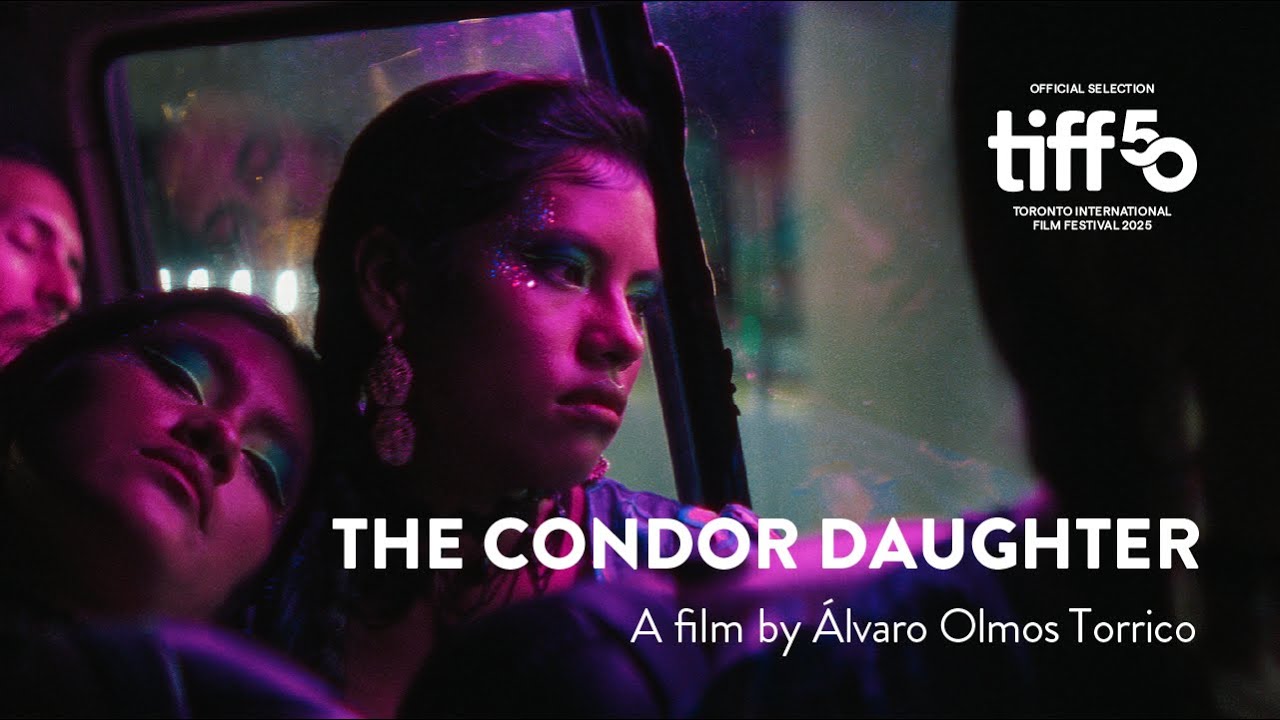
BO / PE / UY | 2025 | 108 min | Drama
➡️ Where to Watch: FR
An Andean Girl Dreams of Becoming a Singer, Challenging Her Mother’s Ancestral Traditions
In The Condor Daughter (2025), Clara (Marisol Vallejos Montaño) grows up in a rural Quechua community in the Bolivian Andes, where her adoptive mother Ana (María Magdalena Sanizo) works as a traditional midwife. Ana expects her daughter to continue this ancestral profession, preserving the knowledge and responsibilities passed down through generations. Clara, however, dreams of becoming a singer and discovering a life beyond her village. As their conflicting expectations intensify, she leaves for the city, challenging both her mother’s hopes and the traditions of her community. Ana’s determination to find her daughter forces her to confront a changing world and reconsider their relationship. Directed by Álvaro Olmos Torrico, the film explores the emotional tension between cultural heritage, maternal love and a young woman’s desire to define her own future.
➡️ Storyline: Andean Village Life → Ancestral Midwifery → Musical Ambition → Mother-Daughter Conflict → Clara’s Departure → Community Tensions → Ana’s Search → Reconsidering Family and Identity.
Why to Watch The Condor Daughter: An Andean Story of Music, Identity and Generational Change
The Condor Daughter combines an intimate mother-daughter drama with Indigenous cultural traditions, striking Andean landscapes and a young woman’s pursuit of artistic independence. Its emotional strength lies in exploring how personal ambitions can challenge inherited responsibilities without erasing the importance of cultural belonging.
|
1. Álvaro Olmos Torrico’s Direction |
The Bolivian filmmaker presents an intimate story about Indigenous identity, generational expectations and the changing relationship between tradition and modern life. |
|
2. María Magdalena Sanizo’s Performance |
Her portrayal of Ana received Best Performance at Guadalajara and Best Supporting Actress at Málaga in 2026. |
|
3. Indigenous Culture and Female Independence |
Clara’s ambition to become a singer challenges expectations surrounding traditional midwifery, family responsibility and women’s roles. |
|
4. Andean Cinematography and Music |
Nicolás Wong’s cinematography captures the landscapes of rural Bolivia, while music associated with Cergio Prudencio and Marcelo Guerrero enriches the film’s cultural atmosphere. |
|
5. International Festival Recognition |
The film earned recognition at Guadalajara and Málaga, alongside nominations at Chicago, Göteborg and other international festivals. |
➡️ Reason to Watch: A visually rich and emotionally grounded Andean drama that explores the conflict between ancestral heritage and personal freedom through music, family relationships and Indigenous cultural identity.
Why The Condor Daughter Stands Out: A Daughter’s Freedom Challenges a Mother’s Cultural Legacy
The Condor Daughter distinguishes itself by connecting a familiar mother-daughter conflict with the cultural realities of an Indigenous Andean community. Ana’s work as a traditional midwife represents knowledge, responsibility and continuity, while Clara’s ambition to sing introduces a different vision of independence and self-expression. Neither perspective can be reduced to a simple opposition between an outdated past and a better future. The film explores the emotional costs of change for both generations, showing how a daughter’s pursuit of freedom can challenge a mother’s understanding of love and duty. Its Quechua-language setting, Andean cinematography and musical identity add cultural specificity to a universal story about growing up, leaving home and renegotiating family expectations.
➡️ Why It Stands Out: A culturally grounded mother-daughter drama that explores how personal independence can challenge ancestral responsibilities without diminishing the value of Indigenous heritage.
Movie Trend: Indigenous Coming-of-Age Dramas — Finding Independence Without Losing Cultural Roots
Indigenous Coming-of-Age Dramas explore personal growth and identity through the relationship between individual ambitions and the traditions of a specific cultural community. The Condor Daughter reflects this trend through Clara’s desire to become a singer rather than follow her adoptive mother’s path as a traditional midwife. Her journey challenges established expectations surrounding family, gender and community responsibilities, while Ana’s response reveals the emotional importance of preserving ancestral knowledge. The film moves beyond a conventional story of youthful rebellion by examining how cultural continuity and personal freedom can become competing needs within the same family. Its central tension reflects a wider narrative interest in young protagonists who seek new opportunities while remaining connected to the identities and relationships that shaped them.
➡️ Movie Trend Insight: Indigenous Coming-of-Age Dramas explore how young people negotiate personal independence and inherited cultural responsibilities, transforming individual ambition into a broader story about identity and generational change.
Broad Trend: Self-Discovery / Identity — Younger Generations Want to Define Their Own Futures
Self-Discovery / Identity reflects the human desire to understand personal ambitions, values and abilities beyond the expectations imposed by family or community. In The Condor Daughter, Clara’s dream of singing represents more than a possible profession; it becomes a way of expressing an identity that differs from the future her mother has imagined for her. Her departure from the village highlights the emotional complexity of pursuing independence when family loyalty and cultural belonging remain important. Beyond cinema, this broad trend connects with changing attitudes toward career choices, generational expectations, gender roles and individual self-expression. The film suggests that finding one’s identity does not necessarily require rejecting cultural heritage, but it may demand difficult conversations about how traditions can coexist with personal freedom.
➡️ Broad Trend Insight: Self-discovery becomes a transformative experience when individuals seek to define their own futures while negotiating the expectations, responsibilities and emotional connections inherited from earlier generations.
Viewer Profile: Audiences Interested in Cultural Identity, Female Independence and Family Relationships
The Condor Daughter may appeal to viewers interested in Indigenous storytelling, emotionally complex family dramas and films exploring the relationship between cultural heritage and personal ambition. Its combination of Quechua traditions, Andean landscapes and musical aspirations offers a distinctive perspective on universal questions about identity and generational change. These profiles are editorial audience hypotheses rather than verified demographic research.
|
International arthouse cinema viewers, Indigenous film enthusiasts and audiences interested in female-centered dramas |
|
|
Primarily adult viewers, with particular relevance to younger adults navigating independence and older audiences interested in generational relationships |
|
|
Interested in cultural heritage, music, social change, family relationships and personal development |
|
|
World cinema, character-driven dramas, Indigenous storytelling and visually expressive independent films |
|
|
Understanding how Clara balances her musical ambitions with her mother’s expectations and ancestral responsibilities |
|
|
International film festivals, Latin American cinema, cultural storytelling and critically recognized independent productions |
|
|
Freedom, ambition, maternal love, belonging and the desire to preserve personal identity |
Key Profiles: Three Audiences, Three Reasons to Watch
1. Indigenous Cinema and Cultural Heritage Audiences
Viewers interested in stories rooted in specific cultural communities and the preservation of ancestral knowledge. The film’s portrayal of Quechua midwifery, traditional songs and rural Andean life provides a distinctive cultural perspective.
2. Female Independence and Coming-of-Age Audiences
Audiences drawn to young protagonists who challenge inherited expectations to pursue their own ambitions. Clara’s dream of becoming a singer represents a desire for self-expression and the freedom to determine her future.
3. Family Drama and International Arthouse Viewers
Viewers interested in emotionally nuanced relationships, intergenerational conflict and visually distinctive storytelling. Ana and Clara’s relationship offers a personal perspective on broader tensions between tradition, modernity and cultural continuity.
➡️ Audience Insight: The Condor Daughter connects Indigenous cultural storytelling with universal experiences of family expectations and personal independence, offering emotional relevance across different generations and cultural backgrounds.
What This Movie Means for the Industry: Indigenous Stories Connect Cultural Heritage With Universal Emotions
The Condor Daughter demonstrates how Indigenous cinema can reach international audiences through culturally specific stories grounded in recognizable human experiences. Álvaro Olmos Torrico combines Quechua traditions, female independence and intergenerational conflict with cinematography that contrasts the Andean landscape and urban life. The film’s international festival exposure, including Toronto and Chicago, illustrates opportunities for regional filmmaking to gain visibility beyond its domestic market.
Its creative strength lies in presenting Indigenous culture as a living environment shaped by changing aspirations rather than treating tradition as a static historical subject. The broader industry opportunity is to support authentic regional storytelling that preserves cultural specificity while addressing universal themes of identity, family and personal freedom.
➡️ Industry Insight: Indigenous cinema can strengthen its international appeal by combining culturally authentic perspectives with universal emotional conflicts, creating distinctive stories about identity, heritage and social change.
Final Verdict: A Visually Rich Andean Drama About Choosing Your Own Future
The Condor Daughter (2025) is an intimate drama that explores the emotional conflict between ancestral responsibilities and a young woman’s desire for independence. Álvaro Olmos Torrico grounds the story in Quechua traditions and the relationship between Clara and her adoptive mother Ana, using music and the contrast between rural and urban environments to examine changing identities. The film’s cinematography, soundtrack and performances are among its strongest qualities, supported by international festival recognition. Some viewer reviews identify slow pacing and predictable narrative developments, but its cultural specificity and emotional themes remain compelling. It is particularly suited to audiences interested in Indigenous cinema, family relationships and stories about personal freedom.
➡️ Final Verdict: The Condor Daughter explores a young woman’s search for independence through a moving conflict between musical ambition and ancestral responsibility. Its Andean landscapes, culturally grounded storytelling and performances provide its strongest appeal, although its deliberate pacing may not suit every viewer. The film is a worthwhile choice for audiences interested in international arthouse cinema, Indigenous identity and emotionally complex family dramas.
Final Insights: Finding Your Own Identity Does Not Have to Mean Abandoning Your Roots
The Self-Discovery / Identity trend reflects the desire to pursue individual ambitions while negotiating the expectations of family and community. The Condor Daughter explores this through Clara’s dream of becoming a singer, revealing how personal freedom can challenge inherited responsibilities without eliminating emotional attachment to cultural heritage.
The Indigenous Coming-of-Age Dramas trend transforms this conflict into a culturally grounded story about generational change. By contrasting Clara’s ambitions with Ana’s commitment to ancestral traditions, the film suggests that identity can evolve through both independence and connection. The strongest path toward self-discovery is not necessarily rejecting the past, but finding the freedom to shape its meaning for the future.
➡️ Final Insight: Self-Discovery / Identity → Indigenous Coming-of-Age Dramas → Personal Freedom Without Losing Cultural Roots. The Condor Daughter explores how younger generations seek to define their futures while remaining connected to inherited traditions and family relationships. The creative opportunity lies in telling culturally specific stories that make personal independence and cultural continuity part of the same evolving identity.






Leave a Reply