
If Marvel Comics has proved anything over the past 63 years, it’s that the number of stories you can tell about Spider-Man is essentially infinite. Not only is he a great character in his own right, he also has an incredible roster of villains and one of the best supporting casts in the history of superhero comics. And yet, despite the success of movies about the web-slinging wall-crawler himself, Sony Pictures’ attempts to expand into a full-on Spider-Man Universe have been, to put it bluntly, an abysmal failure on virtually every level.
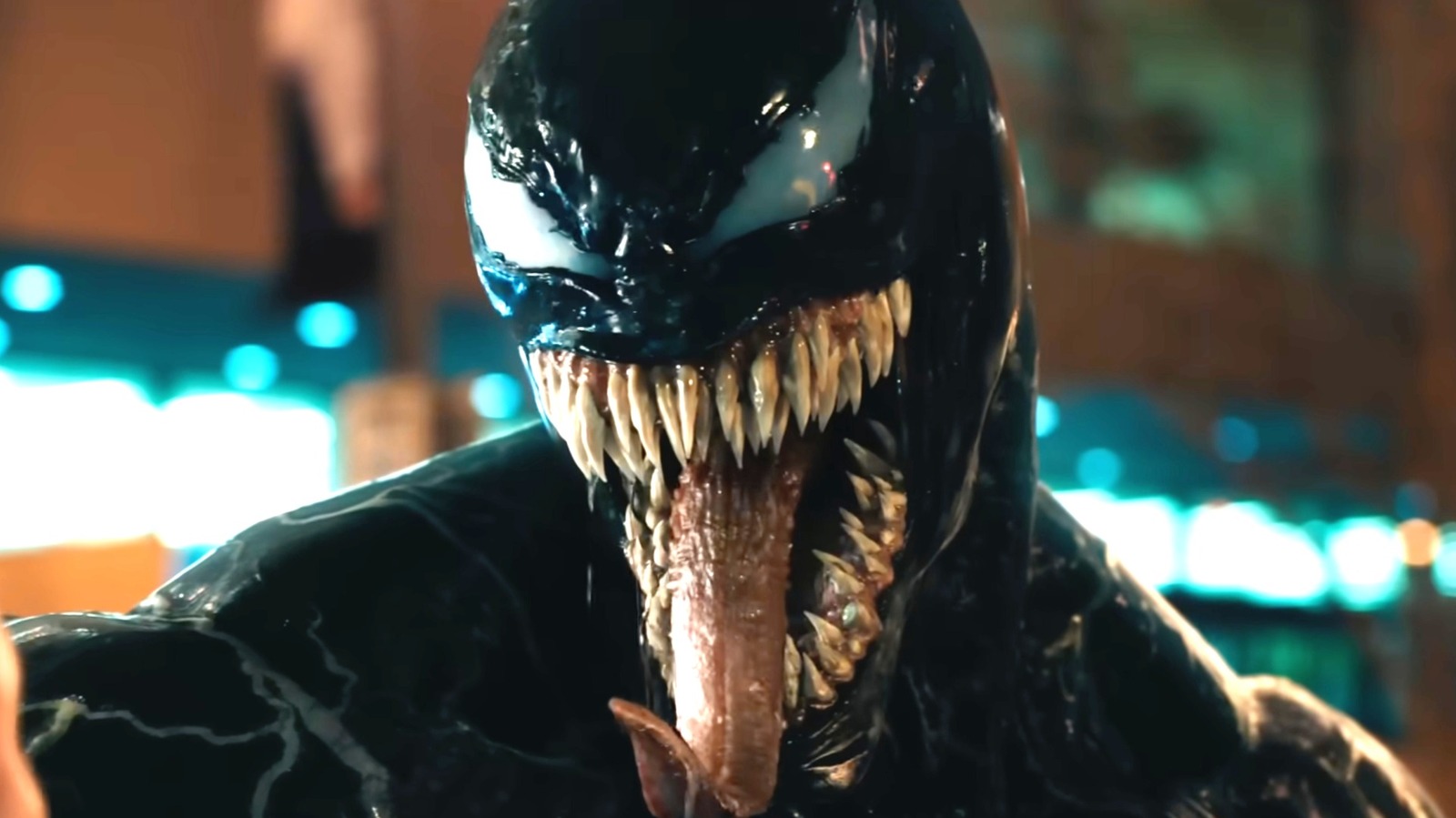
With Sony scrapping plans for expanding into more villain-focused films, moviegoers are left with burning questions. How could a cinematic franchise built around characters like Madame Web and Morbius possibly have failed? Who could have predicted that audiences might not care about the origin of Kraven the Hunter’s cool jacket as much as they care about him, say, fighting Spider-Man? Was the world ever going to be ready for Morbin’ Time? It’s nearly impossible to say for sure, but upon examining the timeline of Sony’s many attempts to get their Spidey-themed side universe going, one thing becomes apparent: It all went wrong with 2018’s “Venom” — not because it was bad, but because it was good.
Venom was too good for its own good
Under normal circumstances, a superhero movie being good would be the furthest thing from a problem, even if it might seem like an unlikely success. 1998’s “Blade,” after all, took its title vampire hunter from a C-list character to a surprise hit, becoming Marvel’s first brush with cinematic success years before the X-Men and Spider-Man hit the big screen. That proved that with a strong enough vision, a character could be taken out of the context of a traditional story and work just as well — or in Blade’s case, even better.
It’s hard not to look at “Venom” as a sort of cinematic descendant of “Blade.” Both movies took a darker approach to superhero storytelling and mixed in a heaping helping of genre conventions to keep things feeling fresh — vampire horror for “Blade,” and classic alien invasion sci-fi for “Venom.” There are, however, some pretty significant differences. For one, unlike the pre-movie version of Blade, Venom had a much stronger track record of being a fan-favorite character who could stand on his own, even with his unbreakable ties to Spider-Man. For another, while “Blade” was definitely a hit, the success of “Venom” absolutely blows it out of the vampire-infested water. Thanks largely to Tom Hardy’s incredibly charismatic performance as both Eddie Brock and his alien symbiote BFF, “Venom” racked up a staggering $856 million at the box office.
“Venom” brought in a ton of money, garnered acclaim from critics and fans, and seemed to be proof of concept that characters related to Spider-Man can carry a film without him. For a company looking to build its own superhero franchise juggernaut (or at least a franchise Rhino) with a suite of characters whose rights its been hanging onto for over 20 years, that’s good news, right? Well … not if you’re determined to learn the wrong lesson.
Spider-Man’s supporting cast is built to work with Spider-Man, not in his absence
While we’ll never really know what was going through the minds of the studio executives who thought releasing “Morbius” twice was a good idea, it’s easy to imagine how a thought process that’s more concerned with the bottom line than with storytelling and character might interpret the massive success of “Venom.” If that movie can succeed by featuring a Spider-Man villain on his own without Spider-Man involved at all, then why can’t all these other characters that came along when Sony got the Spidey rights? These characters are pretty much all the same, right? One’s as good as any other.
Unfortunately for Sony, that’s not exactly how it works. Villains, particularly Spider-Man’s roster of sinister foes, are built to work in the context of their heroic counterparts, and the same usually goes for the supporting cast that orbits around them. It’s the contrast and context that makes them interesting. Venom works in a starring role because he’s been the protagonist of his own stories for far longer than he was a pure villain. Kraven the Hunter, on the other hand, doesn’t have that development. Weirdly enough, the character who probably had the best shot at standing on their own was Morbius, who is only tangentially related to Spider-Man and has a history of starring in his own stories, albeit with very little success. Alas, it turns out that sometimes, you actually have to make a good movie, and “Morbius” is anything but that.
Of course, trying to make a Spider-Man universe without Spider-Man was only one of several baffling choices Sony made with its attempted franchise. If any executive had bothered to ask literally anyone who reads comics or knows about superheroes if they should make a movie about Morbius or Madame Web, they would’ve found out just from the facial expression they were met with that this was a terrible idea. Her web may connect us all, but it certainly wasn’t going to connect with audiences.




Leave a Reply