
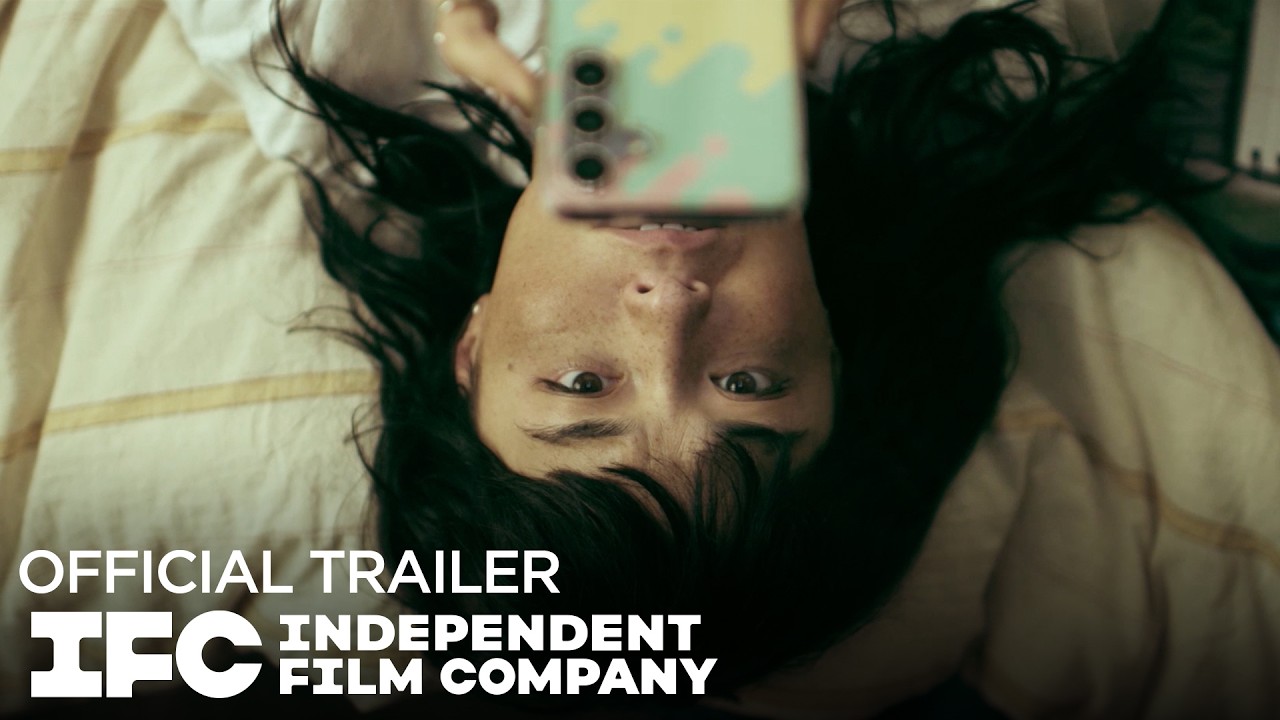
Body Horror Turns Modern Beauty Culture Into a Psychological Nightmare
A disturbing horror film that transforms body image anxiety, diet culture, and self-worth into one of 2026’s most unsettling cinematic experiences.
Few contemporary horror films confront the emotional cost of modern beauty standards as fearlessly as Saccharine. Written and directed by Natalie Erika James, the Australian-Finnish production blends psychological horror, supernatural mythology, and visceral body horror into a chilling exploration of identity, self-worth, and society’s obsession with physical perfection. Rather than relying solely on shocking imagery, the film uses horror as a powerful lens through which to examine the pressures that shape how people see themselves.
The story follows Hana, a lonely medical student whose desperate attempt to lose weight leads her into a disturbing ritual involving the consumption of human ashes. What begins as an extreme pursuit of transformation soon descends into a terrifying supernatural nightmare where reality, identity, and the human body become increasingly distorted. Through emotionally grounded storytelling and unsettling atmosphere, Saccharine establishes itself as one of the year’s most ambitious and thought-provoking independent horror films.
Quick Facts: One of 2026’s Most Ambitious Independent Horror Films
|
Body Horror • Psychological Horror • Supernatural Horror • Drama |
|
|
Body Image • Beauty Standards • Diet Culture • Self-Worth • Identity • Obsession |
|
|
Midori Francis • Danielle Macdonald • Madeleine Madden • Robert Taylor |
|
|
Carver Films • IPR.VC • Thrum Films |
|
|
May 22, 2026 (United States) |
|
|
Sundance Film Festival 2026 |
|
|
Amazon Prime Video • Apple TV • Fandango at Home |
➡️ Key Takeaway: Saccharine transforms contemporary anxieties about beauty, body image, and identity into an intelligent horror experience, demonstrating how the genre can deliver both emotional depth and unsettling psychological tension.
Should You Watch It: A Smart Horror Film That Prioritises Psychological Fear
Saccharine is far more than a conventional body horror film. While it delivers disturbing visual sequences and moments of supernatural terror, its greatest strength lies in its emotional and psychological complexity. Natalie Erika James gradually builds suspense through character, atmosphere, and vulnerability, allowing fear to emerge naturally from Hana’s struggle with insecurity and self-worth rather than relying exclusively on graphic spectacle.
The film rewards audiences who appreciate thoughtful, character-driven storytelling. Beneath its horrifying premise lies an exploration of loneliness, identity, and the relentless pressure to achieve impossible beauty ideals. Rather than offering simple scares, Saccharine challenges viewers to consider the emotional consequences of self-doubt and social comparison, creating an experience that remains haunting long after the final scene.
➡️ Key Takeaway: Saccharine is highly recommended for viewers who enjoy elevated horror, psychological suspense, and socially conscious storytelling that combines emotional realism with unforgettable genre filmmaking.
Why Everyone Is Talking About It: Beauty Standards Become the Film’s Most Terrifying Monster
One of the biggest reasons Saccharine has attracted attention is its ability to transform one of today’s most familiar social anxieties into compelling horror. Instead of using body horror simply for shock value, the film explores the emotional consequences of body dissatisfaction, social comparison, and the relentless pursuit of physical perfection. These themes resonate strongly in an era shaped by social media, curated online identities, and constant pressure to meet unrealistic expectations.
The film has also reinforced Natalie Erika James’ reputation as one of contemporary horror’s most distinctive filmmakers following the critical success of Relic. Early festival reactions praised its ambitious storytelling, unsettling atmosphere, and emotionally committed performances, while horror audiences have embraced its fresh blend of supernatural mythology and timely social commentary. Its originality has positioned Saccharine among the year’s most talked-about independent horror releases.
➡️ Key Takeaway: By turning beauty standards into the true source of fear, Saccharine demonstrates how modern horror continues to evolve into one of cinema’s most compelling forms of cultural commentary.
Movie Trend: Social Body Horror Continues to Redefine Modern Genre Cinema
Body horror has become one of the defining creative movements in contemporary horror filmmaking. Rather than focusing solely on grotesque physical transformation, today’s filmmakers increasingly use the human body to explore identity, consumer culture, mental health, and emotional trauma. Saccharine embraces this evolution by placing modern beauty standards and body image at the heart of its terrifying narrative.
Alongside acclaimed films such as The Substance, Raw, and Titane, Saccharine demonstrates how horror can merge disturbing visual storytelling with meaningful social insight. Natalie Erika James uses supernatural horror not simply to frighten audiences but to expose the emotional consequences of impossible beauty ideals, creating a film that feels intimate, unsettling, and culturally relevant.
➡️ Key Takeaway: Saccharine represents the continuing rise of social body horror, a genre movement that transforms contemporary cultural anxieties into emotionally powerful cinematic experiences.
Who Should Watch It: Essential Viewing for Fans of Elevated Horror and Independent Cinema
Saccharine is ideal for viewers who appreciate horror films that combine psychological complexity with meaningful social themes. Fans of independent cinema, festival discoveries, and character-driven storytelling will find an emotionally rich horror film that explores beauty, identity, and self-worth through a uniquely unsettling supernatural lens. Its thoughtful pacing and layered storytelling reward audiences looking for more than conventional scares.
The film will also appeal to cinephiles interested in the evolution of modern horror. Those who admired films such as Relic, The Substance, or Raw will recognise Saccharine as part of a new generation of genre cinema that values emotional intelligence and cultural relevance alongside fear and suspense.
Audience Profile: The Elevated Horror Enthusiast
The ideal audience for Saccharine extends beyond traditional horror fans. It is designed for viewers who appreciate intelligent genre filmmaking, emotionally layered storytelling, and films that use horror to explore contemporary social issues.
|
Fans of psychological horror, body horror, and elevated horror |
|
|
Festival audiences, independent film enthusiasts, cinephiles, and film students |
|
|
Culturally engaged, frequent cinema and streaming viewers, followers of independent and festival films |
|
|
Enjoys elevated horror, psychological thrillers, discussion-driven cinema, and independent genre films |
➡️ Key Takeaway: Saccharine is a compelling choice for viewers seeking horror that is emotionally intelligent, culturally relevant, and artistically ambitious, offering a haunting exploration of beauty, identity, and the psychological cost of pursuing perfection.
What This Film Means for the Movie Industry: Body Horror Continues to Push Independent Horror Forward
Saccharine arrives at a time when independent horror is experiencing one of its strongest creative periods in decades. Rather than competing with major studio productions through larger budgets or spectacular visual effects, films like Saccharine demonstrate that originality, emotional storytelling, and cultural relevance have become some of the genre’s greatest commercial and artistic strengths. Natalie Erika James continues a growing movement of filmmakers using horror to examine contemporary issues, proving that audiences increasingly value intelligent storytelling alongside traditional suspense.
The film also reflects the continued importance of international co-productions and the festival circuit in launching ambitious genre cinema. Its premiere at the Sundance Film Festival highlights how independent horror has become a respected platform for filmmakers exploring complex psychological and social themes. As streaming services and specialty distributors continue investing in elevated horror, films like Saccharine reinforce the genre’s ability to reach mainstream audiences without compromising creative ambition.
➡️ Key Takeaway: Saccharine demonstrates how independent horror continues to shape the future of genre filmmaking by combining artistic vision, social relevance, and psychological storytelling into films that resonate far beyond traditional horror audiences.
Creative Analysis: Horror That Uses Fear to Explore Human Vulnerability
Storytelling: A Psychological Descent Into Obsession
Rather than following a conventional supernatural horror formula, Saccharine builds its narrative around Hana’s gradual psychological collapse. Every disturbing event grows naturally from her desperation to transform herself, allowing the horror to develop as both an external supernatural threat and an internal emotional crisis. This dual approach creates a story where physical terror and psychological vulnerability reinforce one another, making the escalating nightmare feel believable despite its supernatural elements.
By linking body horror directly to contemporary beauty culture, the screenplay transforms an intimate personal struggle into a universally recognisable social commentary. The result is a narrative that encourages audiences to empathise with its protagonist even as the horror becomes increasingly surreal.
➡️ Key Takeaway: The film’s greatest storytelling strength is its ability to make emotional vulnerability the foundation of its horror, creating fear that feels deeply personal rather than purely supernatural.
Direction: Natalie Erika James Expands Her Distinctive Horror Vision
Following the critical success of Relic, Natalie Erika James continues to establish herself as one of contemporary horror’s most distinctive filmmakers. Her direction balances intimate character moments with escalating psychological tension, allowing the emotional journey to remain the centre of the film even during its most disturbing sequences. Rather than overwhelming audiences with constant shocks, she carefully controls pacing to create sustained unease and emotional investment.
James also demonstrates confidence in visual storytelling, trusting atmosphere, symbolism, and performance to communicate complex ideas instead of relying heavily on exposition. This restrained approach gives Saccharine a cinematic identity that feels sophisticated and emotionally authentic.
➡️ Key Takeaway: Natalie Erika James confirms her reputation as a filmmaker who uses horror not simply to frighten audiences but to explore complex emotional and cultural experiences.
Performances: Emotional Authenticity Gives the Horror Its Power
Midori Francis delivers a deeply committed performance as Hana, capturing the character’s loneliness, insecurity, and emotional desperation with remarkable sensitivity. As Hana’s psychological state gradually deteriorates, Francis ensures the audience remains emotionally connected to her experience, making every horrifying transformation feel tragic as well as terrifying.
The supporting cast, including Danielle Macdonald, Madeleine Madden, and Robert Taylor, strengthens the film by grounding its increasingly surreal narrative in believable human relationships. Together, the performances provide an emotional realism that allows the supernatural horror to feel more immediate and affecting.
➡️ Key Takeaway: Strong performances ensure that Saccharine remains emotionally engaging, giving its body horror genuine psychological and human weight.
Cinematography & Visual Style: Beauty and Horror Exist in the Same Frame
The visual language of Saccharine reinforces the film’s central themes by contrasting images of beauty with increasingly disturbing physical transformation. Carefully composed cinematography, restrained colour palettes, and atmospheric lighting create a sense of unease long before the most explicit horror appears. Rather than relying on constant graphic imagery, the film often allows suggestion, composition, and visual symbolism to generate tension.
As Hana’s emotional and physical condition deteriorates, the visual style becomes progressively more unsettling, mirroring her fractured perception of reality. This gradual visual evolution strengthens the psychological impact of the story and supports the film’s exploration of identity and self-image.
➡️ Key Takeaway: The cinematography transforms familiar environments into unsettling psychological spaces, making visual storytelling one of the film’s most effective strengths.
Themes & Messages: When the Pursuit of Perfection Becomes Self-Destruction
At its core, Saccharine examines the emotional consequences of living in a culture obsessed with appearance. The film suggests that society’s relentless pursuit of beauty can become psychologically destructive, encouraging individuals to sacrifice their wellbeing in exchange for acceptance and validation. Rather than offering simplistic criticism, the story explores how insecurity, loneliness, and social pressure gradually influence personal decisions.
Beyond body image, the film also explores identity, belonging, self-worth, and the desire to be seen. These universal themes give the supernatural horror emotional resonance, ensuring that its frightening imagery serves a meaningful narrative purpose rather than existing purely for shock value.
➡️ Key Takeaway: Saccharine uses horror to expose the hidden emotional cost of perfection, transforming contemporary social pressures into powerful psychological storytelling.
What Makes This Movie Different: A Horror Film That Prioritises Emotional Truth Over Shock Value
Many body horror films focus primarily on physical transformation and graphic spectacle. Saccharine distinguishes itself by making emotional truth the driving force behind every horrifying moment. The supernatural elements become extensions of Hana’s psychological state, allowing audiences to understand not only what is happening but why it matters emotionally.
Its combination of socially relevant themes, psychologically rich storytelling, and restrained yet effective horror demonstrates how the genre continues to evolve beyond traditional conventions. Instead of treating fear as an end in itself, Saccharine uses horror to provoke empathy, reflection, and conversation about issues affecting contemporary society.
➡️ Key Takeaway: Saccharine stands apart by proving that the most disturbing horror often comes not from monsters, but from the emotional realities people already live with every day.
If You Liked Saccharine: The Best Recent Body Horror Films Exploring Beauty, Identity, and Transformation
If Saccharine left you captivated by its unsettling blend of psychological horror, body horror, and emotional storytelling, these three recent films continue the conversation from different perspectives. Each transforms physical transformation into a powerful metaphor for identity, obsession, and the pressures of modern society, making them ideal follow-up viewing for fans of intelligent contemporary horror.
Together (2026): Love, Identity, and Body Horror Become Uncomfortably Connected
One of 2026’s most acclaimed horror films, Together explores how intimacy, relationships, and emotional dependence can become physically and psychologically consuming. While its focus differs from Saccharine, both films use disturbing body horror to examine identity, vulnerability, and the emotional consequences of human connection. Rather than relying on conventional scares, Together delivers a slow-burning, emotionally charged horror experience that lingers long after the credits roll.
The Ugly Stepsister (2025): Fairy-Tale Horror Exposes the Cost of Beauty
Emilie Blichfeldt’s The Ugly Stepsister reimagines the classic Cinderella story as a disturbing body horror satire about beauty standards, cosmetic transformation, and social acceptance. Much like Saccharine, the film explores how the pursuit of physical perfection can become emotionally and physically destructive. Its combination of dark humour, striking visuals, and sharp social commentary makes it one of the closest thematic companions to Natalie Erika James’ film.
The Substance (2024): The Landmark Film That Reinvented Modern Body Horror
Coralie Fargeat’s The Substance has become the defining modern body horror film, transforming society’s obsession with youth, celebrity, and beauty into an unforgettable cinematic nightmare. Like Saccharine, it combines graphic physical transformation with intelligent social commentary, exposing the psychological consequences of chasing impossible standards. Together, the two films demonstrate how body horror has become one of contemporary cinema’s most powerful forms of cultural storytelling.
➡️ Key Takeaway: These three films represent the new generation of body horror, using physical transformation to explore beauty, identity, relationships, and self-worth through emotionally powerful and socially relevant storytelling.
Viewing Recommendation: Essential Viewing for Fans of Elevated Horror
Best Suited For: Viewers Looking for Smart, Character-Driven Horror
Saccharine is an outstanding choice for audiences who appreciate horror that values emotional storytelling as much as frightening imagery. Its thoughtful pacing, layered themes, and psychological complexity make it especially rewarding for viewers who enjoy films that continue to provoke discussion after the credits roll.
Highly Recommended For: Fans of Psychological Horror and Festival Cinema
Fans of Relic, The Substance, Raw, Titane, and other elevated horror films will find Saccharine a natural addition to their watchlist. It also appeals to viewers who regularly follow independent cinema and international film festivals in search of bold new filmmaking voices.
You May Want to Skip It If: You Prefer Fast-Paced or Traditional Horror
Audiences seeking constant jump scares, action-driven horror, or straightforward supernatural entertainment may find Saccharine too deliberate. Its emphasis on psychological tension, emotional introspection, and graphic body horror is best suited to viewers who enjoy slow-burning, idea-driven genre films.
Saccharine demonstrates that modern horror can simultaneously entertain, disturb, and encourage meaningful reflection. Natalie Erika James crafts a film that transforms contemporary anxieties surrounding beauty and self-worth into an emotionally resonant horror experience without sacrificing suspense or cinematic ambition.
By combining intimate character development with unsettling supernatural horror, Saccharine stands as another example of why independent horror continues to be one of the most creatively exciting areas of contemporary filmmaking. It is a film that challenges expectations while delivering a haunting and memorable viewing experience.
➡️ Viewing Recommendation: Saccharine is highly recommended for anyone seeking intelligent horror that combines psychological depth, social commentary, and unforgettable body horror into one of 2026’s most distinctive independent films.
Final Verdict: A Chilling Examination of Beauty, Identity, and Self-Worth
Saccharine is more than an effective horror film—it is a compelling examination of the emotional cost of chasing impossible ideals. Natalie Erika James once again demonstrates her ability to blend psychological realism with supernatural horror, creating a story that feels both deeply personal and universally relevant. Its unsettling imagery serves a meaningful purpose, reinforcing themes of identity, insecurity, and the destructive pursuit of perfection.
For audiences willing to embrace its slow-building psychological tension and emotionally driven storytelling, Saccharine offers one of the year’s most rewarding horror experiences. It confirms that the future of body horror lies not simply in shocking visuals but in using the genre to explore the fears and pressures that define contemporary life.
➡️ Final Verdict: Saccharine is one of 2026’s standout independent horror films, combining intelligent storytelling, powerful performances, and thought-provoking body horror into a haunting cinematic experience that lingers long after the final scene.






Leave a Reply