
Maggie Gyllenhaal Reimagines the Most Silenced Woman in Monster Movie History — and Gives Her Everything the 1935 Film Denied Her
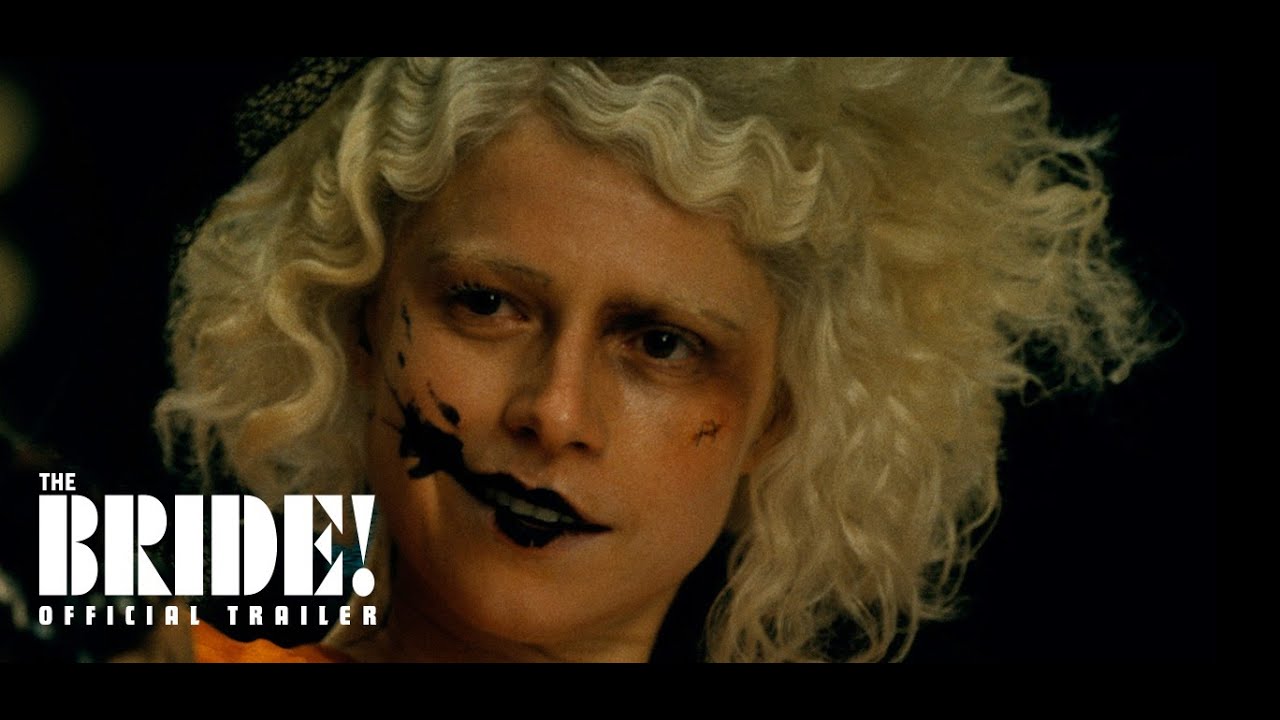
Frank — Frankenstein’s monster — emerges from a century in hiding in 1936 Chicago looking for a mad scientist to make him a mate. Dr. Euphronius (Bening) obliges, reanimating the body of Ida, a murdered call girl mixed up with the mob. The Bride wakes up not as a companion but as an independent force — part Ida, part Mary Shelley’s possessing spirit, part feminist insurgent. What follows is a Bonnie and Clyde road movie, an absurdist musical, a gangster noir, and a punk horror freakout. Written and directed by Maggie Gyllenhaal — The Lost Daughter (2021, 3 Oscar nominations). Stars Jessie Buckley, Christian Bale, Annette Bening, Penélope Cruz, Jake Gyllenhaal, Peter Sarsgaard. Score by Hildur Guðnadóttir. Cinematography by Lawrence Sher (Joker). Costumes by Sandy Powell. Warner Bros. US theatrical March 6, 2026. Now streaming on HBO Max. ➡️ Gyllenhaal used her Lost Daughter critical credibility to make the most formally adventurous available feminist monster film at a major studio — a film that refuses to embalm the Frankenstein legend in stately good taste.
Why It Is Trending: Warner Bros. $80 Million Sophomore — Buckley’s Oscar Momentum — Bale’s Return — the Most Ambitious Frankenstein Film Since James Whale
Variety: “a debauched fairy tale with teeth — Gyllenhaal has come not to embalm the Frankenstein legend in stately good taste but to reimagine its perversity.” ➡️ The refusal of stately good taste is the most commercially specific available argument for why this film exists in the same cultural moment as Guillermo del Toro’s Frankenstein — two directors approaching the same material from opposite formal registers. Second Cut: “not all its parts fit together, but you’ll have a hard time forgetting it.” ➡️ A film that stays with you is the most commercially durable available studio release — the kind that generates sustained conversation independently of its box office performance.
Elements Driving the Trend: Buckley Playing Three Roles, Bale’s Contorted Performance, the Puttin’ on the Ritz Sequence
-
Buckley plays Mary Shelley, Ida the murdered call girl, and the Bride simultaneously — switching registers mid-scene as Shelley’s spirit possesses Ida at key moments. ➡️ The triple performance is the film’s most formally specific available creative decision — an actress asked to carry three simultaneous identities in a film about what it means to have one at all.
-
Bale’s Frank — contorted, growling, accent unclassifiable, clearly having a grand time — delivers what Boston Hassle called “the sort of bewildering, all-caps comic performance which high-minded method actors periodically employ to let their hair down.” ➡️ The commitment to maximum rather than minimum gives every scene he is in its most reliable available energy.
-
The Puttin’ on the Ritz dance sequence — Frank and the Bride dancing together, referencing Young Frankenstein while doing so — is the film’s most intoxicating single moment. ➡️ Variety: “the scene has an intoxicating snap” — the sequence that best captures what the whole film is reaching for.
-
The third-act Bonnie and Clyde road movie pivot — Frank and the Bride on a cross-country crime spree — gives the romance its most kinetic available expression. ➡️ The genre shift is the film’s most formally courageous available gear change, taking the story from creation myth to outlaw love story.
Virality: The Studio Oddity That Keeps Generating Conversation — the “Can’t Forget It” Quality as the Most Reliable Available Discovery Mechanism
The film has generated sustained discourse beyond its theatrical run — the kind that cult oddities produce when the formal energy exceeds conventional categorisation. ➡️ The audience that describes it as “a hard time forgetting” is the film’s most commercially productive available advocacy community. Second Cut’s formulation — “you’ll have a hard time forgetting it” — is the most commercially honest available quality signal for a film designed to be an experience rather than a genre exercise. The film is for the audience that chooses films on the basis of whether they will have something to argue about afterwards.
Critics Reception: Broad Range of Responses — Performances and Formal Ambition the Consistent Strengths
-
Variety: “a debauched fairy tale with teeth — a sick-joke love story; it’s alive.” ➡️
-
Boston Hassle: “In a film which can only be described as A Lot, Buckley is the most — I can’t quite bring myself to dislike it.” ➡️
-
Second Cut: “a Bonnie and Clyde style outlaw couple, an absurdist musical, and a feminist satire all at once — you’ll have a hard time forgetting it.” ➡️
-
Rotten Tomatoes audience: “a fantastic monstrous reimagining — feminist Frankenstein freakout with electric performances.” ➡️
-
Metascore 55. IMDb 5.7 from 23,900 voters.
Awards and Recognitions: Golden Trailer Best Motion/Title Graphics Nominee — US Theatrical March 6, 2026
-
Golden Trailer Awards 2026: Best Motion/Title Graphics nominee (Help! Teaser, Warner Bros. Pictures, Major Major).
-
US theatrical March 6, 2026. Budget $80–90 million. Now streaming on HBO Max.
Director and Cast: Gyllenhaal’s $80 Million Swing — Buckley at Maximum — Bale Contorted — Guðnadóttir Scoring the Chaos
-
Maggie Gyllenhaal — The Lost Daughter (3 Oscar nominations) — follows her acclaimed debut with the most formally unruly available sophomore: a genre-colliding punk feminist Frankenstein. ➡️ The Lost Daughter credibility purchased the most adventurous available second film slot — and Gyllenhaal used every inch of it.
-
Jessie Buckley (Ida/Mary Shelley/The Bride) — Hamnet, Women Talking — carries three simultaneous registers in a performance Boston Hassle called “the most” in a film that is already A Lot. ➡️ Her unpredictable energy is the film’s most formally specific available asset — the actress most precisely suited to a character who refuses to be one thing.
-
Christian Bale (Frank) — growling, contorted, clearly having the time of his career. ➡️ Every positive review cited him first — the performance that gives the film its most commercially reliable available warmth beneath the formal extremity.
-
Annette Bening (Dr. Euphronius), Penélope Cruz (Myrna Malloy), Jake Gyllenhaal (Ronnie Reed) — give the Chicago gangster world its most commercially recognisable available supporting architecture. ➡️
-
Hildur Guðnadóttir (score) — epic from the opening title card, part of the formal infrastructure holding the genre elements in productive tension. ➡️
Conclusion: A $80 Million Studio Commitment to the Most Formally Adventurous Available Feminist Monster Film — the Discourse It Generates Is the Most Commercially Productive Available Measure of Its Achievement
The film earns its formal ambition through the performances, the score, the production design, and Gyllenhaal’s refusal to make the safe version. ➡️ The sustained conversation it generates is the most commercially specific available evidence that the risk was worth taking. Gyllenhaal has confirmed herself as the filmmaker most formally committed to giving cinema’s most silenced female figures everything they were denied.
What Movie Trend Is Followed: Feminist Monster Movie Reimagining — the Bride as Radical Subject, the Genre Collision as the Most Formally Honest Available Container
The Bride! belongs to the feminist genre reimagining tradition — Poor Things, Women Talking — in which a canonical female figure is returned to herself and discovers she was never what the original story said she was. ➡️ The 1935 Bride of Frankenstein is the most commercially legible available source — the film that gave the Bride her iconic image and immediately silenced her, which Gyllenhaal spends two hours correcting with maximum available formal commitment.
Trend Drivers: The Possessed Bride as Feminist Insurgent, the Mary Shelley Framing Device, the Genre as Argument
-
The Bride wakes up as an independent force — the most formally specific available correction of what the 1935 film did to its female lead. ➡️ The feminist argument is delivered through genre rather than dialogue — the most formally honest available approach to a subject that has been addressed through message drama too many times.
-
The Mary Shelley framing device — Shelley as possessing spirit rewriting her own story through Ida — gives the film its most metatextual available layer. ➡️ The idea that Shelley is correcting the ending she never got to write is the film’s most formally interesting available premise and its most emotionally resonant one.
-
The genre collisions — horror, noir, musical, road movie, feminist satire — are a formal argument about what happens when a woman is allowed to be everything at once. ➡️ The Bride is more than the role she was made for — and the film’s form mirrors that refusal at every available level.
What Is Influencing Trend: Gyllenhaal’s Lost Daughter Credibility and Warner Bros.’ Formal Adventurousness
-
The Lost Daughter’s three Oscar nominations gave Gyllenhaal the institutional credibility to make a $80 million genre experiment at a major studio. ➡️ The most commercially specific available example of critical capital converting into production freedom.
-
Warner Bros.’ commitment to a 126-minute R-rated monster movie with feminist themes confirms the studio’s most formally adventurous available 2026 genre decision. ➡️
Macro Trends Influencing: The Feminist Genre Reimagining Wave and the Frankenstein Cultural Moment
-
The feminist genre reimagining — Poor Things, Saltburn, The Substance — has established a critical infrastructure treating female monster narratives as one of contemporary cinema’s most formally productive available subjects. ➡️ The Bride! arrives as the most commercially ambitious available entry in that tradition.
-
The Frankenstein cultural moment — del Toro’s Frankenstein in the same release calendar — gives the monster his most commercially productive available dual-release profile. ➡️ Two directors, the same source, opposite formal registers — the comparison makes both films more visible.
Consumer Trends Influencing: Buckley’s Oscar Momentum and the Cult Discovery Community
-
Buckley’s Hamnet Oscar momentum is the film’s most commercially efficient available mainstream discovery signal. ➡️ The audience following her awards campaign arrives at a film whose register is entirely different — and more expansive — than what won her the nomination.
-
The cult discovery community — the audience that seeks out films described as formally committed studio oddities — is the most commercially motivated available streaming audience for HBO Max. ➡️
Audience Analysis: Feminist Genre Audiences, Cult Film Communities, Buckley-Bale Fanbases
The core audience is 25–50 — feminist genre audiences who followed Poor Things and Women Talking, cult film communities who seek out formally adventurous studio releases, and the Buckley-Bale fanbases whose combined profile gives the film its most commercially recognisable available discovery infrastructure. ➡️ The film rewards the audience that arrives prepared to meet it on its own chaotic terms.
Conclusion: A Feminist Frankenstein That Earns Its Cultural Moment by Refusing the Safe Version — the Genre Collision as the Most Formally Honest Available Expression of a Woman Who Refuses to Be One Thing
The feminist argument is fully present and formally delivered. ➡️ The genre collisions are not a problem to be solved but a formal declaration — the Bride is more than the role she was made for, and so is the film. Gyllenhaal has positioned the feminist monster movie as the most commercially adventurous available studio genre of 2026.
Final Verdict: A Formally Committed Studio Oddity — Buckley at Maximum, Bale Contorted, Gyllenhaal Swinging for the Most Adventurous Available Version of the Story
The film is most valuable as an experience — a formally committed, genre-colliding, maximum-energy studio release that refuses to make the safe choices at every available turn. ➡️ Buckley and Bale give it more energy than any conventional genre exercise could contain — which is precisely the point. The feminist argument, the Guðnadóttir score, Sandy Powell’s costumes, and the Puttin’ on the Ritz sequence collectively confirm that when The Bride! is working, it is the most formally intoxicating available monster film in the 2026 release calendar. ➡️ It is the film Gyllenhaal wanted to make — and making it is the most commercially specific available evidence of what The Lost Daughter’s credibility was worth.
Audience Relevance: Feminist Genre Audiences, Cult Film Communities, Anyone Who Wants a Film They’ll Argue About
This film is for the audience that chooses films on the basis of whether they will have something to say about them afterwards. Works best for viewers who respond to committed formal energy — the Poor Things audience, the cult film community, and anyone who finds Buckley’s maximum-register performance the most exciting available thing happening in a 2026 studio release. ➡️ If you want a film that refuses to be tidy and commits to every choice it makes regardless of conventional wisdom, The Bride! is the most commercially specific available option on the 2026 studio calendar.
What Is the Message: The Bride Was Never Meant to Be a Companion — She Was Always Going to Be a Revolution
Gyllenhaal is finishing the story Shelley wanted to write but didn’t get to. The 1935 film created the Bride, gave her the iconic hair, and immediately silenced her — Gyllenhaal spends 126 minutes giving her everything she was denied. ➡️ The feminist thesis arrives with full formal commitment — the Bride’s involuntary movement, her refusal to be contained, and her transformation from created object to radical subject is the most emotionally complete available expression of what the film set out to do.
Relevance to Audience: A Feminist Monster Movie That Has More to Say Than Any Previous Version of This Story
This is the Bride’s story — not Frankenstein’s, not the monster’s, not the doctor’s. The Bride waking up as a radicalized independent force rather than a willing companion is the most formally specific available correction of the 1935 film — and the most commercially legible available feminist argument in the 2026 horror calendar. ➡️ Every viewer who has ever felt created for someone else’s purpose will find the most personally resonant available monster movie in recent studio history.
Social Relevance: The Woman Created for Someone Else’s Purpose Who Becomes Her Own Revolution — 1936 Chicago as the Most Specific Available Setting
A story about a woman who refuses to be what she was made for is the most currently available social argument in any genre. The Bride’s involuntary feminist movement — women inspired by her refusal to be contained — is the film’s most socially specific available observation. ➡️ The 1936 Chicago setting gives the social argument its most historically grounded available context — the specific decade when women’s autonomy was being simultaneously defined and denied, making the Bride’s arrival the most historically precise available disruption.
Performance: Buckley’s Triple Roles, Bale’s Maximum Register, the Ensemble’s Committed Energy
Buckley is the film — everything else is magnificent context. Her triple performance — Ida, Shelley, the Bride — is the most formally demanding available role in the 2026 studio calendar and the most exciting: an actress asked to carry three simultaneous identities in a film about what it means to claim one at all. ➡️ Bale’s contorted growling gives every scene its most reliable available warmth and energy — the great actor choosing maximum over minimum and giving the film its most commercially entertaining available secondary element. Cruz and Bening bring the Chicago world its most recognisable available institutional presence — each given enough space to confirm why Gyllenhaal assembled this specific ensemble. ➡️
Legacy: A Studio Oddity That Will Be Rediscovered — the Most Formally Adventurous Available Second Film Gyllenhaal Could Have Made
The film will be remembered as the one where Gyllenhaal spent every dollar of her studio trust on the most committed available version of the story she wanted to tell. The cult film community’s discovery cycle is the most commercially productive available second life for a formally adventurous studio release — and The Bride! has every quality that cycle rewards: committed performances, formal extremity, a feminist argument that lands regardless of genre expectations, and the Puttin’ on the Ritz sequence. ➡️ Gyllenhaal’s third film arrives with this formal commitment confirmed — the most commercially specific available signal that the filmmaker most formally dedicated to giving cinema’s silenced women their fullest available stories is only beginning.
Success: Golden Trailer Best Motion/Title Graphics Nominee — US Theatrical March 6, 2026 — HBO Max Streaming
The Bride! proves that the most formally adventurous studio films are the ones that refuse to be tidy — and that Gyllenhaal understood the 1935 Bride well enough to give her everything she was denied, including the most formally committed available monster movie the feminist genre has produced.
Insights: A $80 million feminist monster film that commits to every formal choice — Buckley’s triple performance and Bale’s maximum register giving it the most formally intoxicating available energy in the 2026 studio horror calendar. Industry Insight: The Lost Daughter’s Oscar credibility converting into an $80 million Warner Bros. genre experiment confirms both what critical capital can purchase and how a formally adventurous second film becomes the most commercially productive available studio investment in a director’s long-term trajectory. Audience Insight: The cult film community is the most commercially motivated available streaming audience for The Bride! — the “can’t forget it” quality is the most reliable available driver for the HBO Max rediscovery cycle that formal studio oddities consistently generate. Social Insight: A woman created to be a companion who becomes a revolution is the most currently available feminist argument in the 2026 horror calendar — the 1936 Chicago setting giving it the most historically grounded available context. Cultural Insight: The Bride! positions Gyllenhaal as the filmmaker most formally committed to giving cinema’s most silenced female figures everything they were denied — the $80 million commitment confirming that the formal adventurousness of The Lost Daughter was always pointing toward this.
Conclusion: Buckley at Maximum, Bale Contorted, Gyllenhaal Committed — the Most Formally Adventurous Available Studio Monster Film of 2026 Earns Its Cult Status by Refusing Every Safe Choice Available to It
The most important thing The Bride! confirms is that committed formal chaos at $80 million is more interesting than careful competence at any budget. The Bride! earns its cultural moment through the qualities the most memorable studio films always demonstrate — the formal energy that exceeds conventional categorisation, the performances that go further than the genre requires, and the feminist argument that is more emotionally complete than any previous version of this story has delivered. ➡️ Gyllenhaal’s third film arrives with this commitment confirmed — the most commercially specific available signal that the filmmaker most formally dedicated to cinema’s silenced women is producing the most adventurous available body of work in contemporary American studio cinema.
Summary: One Monster, One Reanimated Bride, One 1936 Chicago, and the Revolution Nobody Asked For But Nobody Could Stop
-
Movie themes: The woman created for someone else’s purpose who becomes her own revolution, the feminist argument delivered through genre collision rather than message drama, the Mary Shelley possession device as the most metatextual available correction of what the original story denied its female characters, and the Bonnie and Clyde road movie as the most kinetic available expression of what happens when two monsters refuse to be contained. ➡️ The Bride waking up as a radical independent force rather than a willing companion is the most emotionally complete available feminist argument in the 2026 horror calendar.
-
Movie director: Maggie Gyllenhaal — The Lost Daughter (3 Oscar nominations) — uses every dollar of her $80 million studio slot to make the most formally unruly available sophomore: punk feminist Frankenstein with a Guðnadóttir score, Sandy Powell costumes, and Lawrence Sher cinematography, structured like a genre collision and committed like a manifesto. ➡️ The most adventurous available second film a Lost Daughter-level critical credibility could purchase — confirming Gyllenhaal as the filmmaker most formally committed to cinema’s most silenced female figures.
-
Top casting: Buckley’s triple performance — Ida, Shelley, the Bride — is the film’s most formally demanding available role and its most exciting element. Bale’s contorted growling is its most commercially entertaining available energy. Cruz and Bening give the Chicago world its most recognisable available institutional presence. ➡️ The ensemble gives the film more committed energy than any conventional genre exercise could contain — which is precisely the formal argument Gyllenhaal is making.
-
Awards and recognition: Golden Trailer Awards 2026: Best Motion/Title Graphics nominee. US theatrical March 6, 2026. Budget $80–90 million. Now streaming on HBO Max. Metascore 55. ➡️ The cult film community’s discovery cycle is the most commercially productive available second life — the film has every quality that cycle rewards.
-
Why to watch: The $80 million feminist monster film that refused to be tidy — Buckley playing three characters simultaneously, Bale contorted in an accent that has never existed on Earth, the Puttin’ on the Ritz dance sequence as the most intoxicating single moment in 2026 studio horror, and Gyllenhaal giving the 1935 Bride everything she was denied in the most formally committed available correction of a canonical wrong. ➡️ If you want a film that commits to every choice and refuses every safe option, The Bride! is the most formally adventurous available studio release streaming on HBO Max right now.
-
Key success factors: Buckley’s Oscar-momentum profile plus Bale’s maximum-register performance plus Gyllenhaal’s Lost Daughter credibility plus Guðnadóttir’s score plus Sandy Powell’s costumes plus Lawrence Sher’s cinematography plus the feminist Frankenstein premise plus Warner Bros.’ formal adventurousness. ➡️ The committed formal energy is the most commercially durable available single quality — the film that refuses to be forgotten generates more sustained word-of-mouth than the film that satisfies conventionally.
-
Where to watch: Now streaming on HBO Max. US theatrical from March 6, 2026 via Warner Bros. ➡️ The HBO Max streaming release is the most commercially productive available discovery window — the cult film community and feminist genre audience are most reliably reached through streaming.
Conclusion: The Bride Gets Everything She Was Denied — Gyllenhaal’s Most Formally Committed Available Studio Film Earns Its Cult Status by Refusing Every Safe Choice
The most important thing The Bride! leaves you with is the conviction that the only way to tell this story was to go maximum. The Bride! earns its cultural moment through the qualities the most memorable studio films always demonstrate — the formal energy that exceeds conventional categorisation, the performances that go further than the genre requires, and the feminist argument that is more emotionally complete than any previous version of this story has delivered. ➡️ Gyllenhaal’s third film arrives with this commitment confirmed — the most commercially specific available signal that the filmmaker most formally dedicated to cinema’s silenced women is producing the most adventurous available body of work in contemporary American studio cinema.
Leave a Reply