
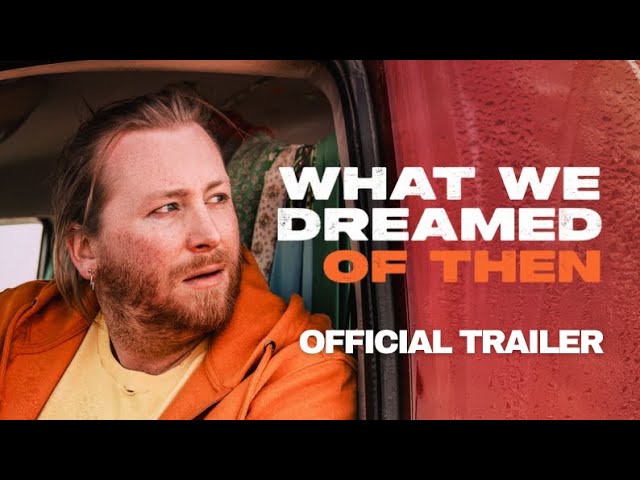
A Powerful Drama Reveals The Hidden Reality Of Homelessness Through One Father’s Fight To Keep His Family Together
Jon is a passionate swim coach, devoted father, and respected member of his community. But when financial hardship forces him out of stable housing, he joins a growing group of people experiencing “invisible homelessness”—individuals who continue working while secretly living in their vehicles. As Jon struggles to protect his dignity, support his daughter, and maintain hope for the future, everyday survival becomes an emotional balancing act between appearance and reality.
Blending intimate family drama with timely social commentary, What We Dreamed of Then explores resilience, fatherhood, housing insecurity, personal pride, and the quiet determination required to rebuild a life. Rather than portraying homelessness through familiar stereotypes, the film shines a light on those whose struggles often remain unseen despite being hidden in plain sight.
Why This Film Is Worth Discovering: A Human Story Behind Today’s Housing Crisis
Director Taylor Olson delivers a compassionate and deeply personal drama that explores one of today’s most pressing social issues through the experiences of an ordinary working father. Instead of focusing on statistics or political debate, What We Dreamed of Then examines the emotional cost of housing insecurity while celebrating resilience, compassion, and the strength of family bonds.
Why It Stands Out: A Moving Drama About The People We Often Don’t See
-
It Explores Invisible Homelessness: Rather than depicting homelessness through familiar images, the film focuses on working people who quietly lose stable housing while continuing to maintain jobs and daily responsibilities. It brings visibility to a growing social reality affecting countless families.
-
A Father’s Love Drives The Story: Jon’s greatest challenge is not simply finding shelter, but protecting his daughter and preserving hope despite overwhelming circumstances. His determination gives the film its emotional heart.
-
A Timely Story With Universal Relevance: Rising housing costs and financial insecurity have become global concerns, making the film’s themes immediately relatable for audiences around the world. Its social message feels both urgent and deeply human.
-
Authentic Performances Create Emotional Impact: Hugh Thompson, Parveen Kaur, and Christie Burke deliver natural, emotionally grounded performances that make every setback and small victory feel genuine. Their work transforms a social issue into a deeply personal experience.
-
Hope Balances Hardship: While the film honestly portrays financial struggle and uncertainty, it also celebrates resilience, community support, and the possibility of rebuilding one’s life. Its compassion makes the story inspiring without overlooking reality.
What We Dreamed of Then offers audiences an emotionally powerful drama that encourages empathy while revealing the hidden human stories behind one of society’s fastest-growing challenges.
What Is The Film About?: One Family’s Quiet Struggle To Stay Together
When financial hardship forces respected swim coach Jon to leave his home, he begins living out of his van while trying to maintain his job, care for his daughter, and protect his sense of dignity. As he navigates the hidden realities of homelessness, Jon discovers that survival depends not only on finding shelter but also on preserving hope, relationships, and the belief that life can begin again.
Starring Hugh Thompson, Parveen Kaur, Christie Burke, Eugene Sampang, and Taylor Olson, the film combines family drama, social realism, and emotional storytelling while exploring resilience, fatherhood, community, dignity, sacrifice, hope, and the search for belonging.
Should You Watch It?: A Compassionate Drama That Balances Social Reality With Hope
Recommended For: Movie Audiences Who Enjoy Meaningful Human Stories
-
Fans Of Character-Driven Dramas: The film places emotional authenticity and personal relationships at the center of its storytelling. Jon’s journey feels honest, relatable, and deeply moving.
-
Viewers Interested In Contemporary Social Issues: The story offers an intimate perspective on housing insecurity without becoming overly political. Its human focus makes the issue accessible and emotionally powerful.
-
Fans Of Family Dramas: The relationship between Jon and his daughter provides the emotional foundation of the film. Their bond reminds audiences that love and resilience often endure through hardship.
-
Audiences Who Appreciate Independent Cinema: The film combines natural performances with thoughtful direction and realistic storytelling. Its intimate scale allows the emotional themes to resonate deeply.
-
Filmmakers And Social Impact Audiences: Taylor Olson demonstrates how cinema can address urgent social issues through compelling personal narratives rather than broad commentary. The film illustrates the power of empathy-driven storytelling.
May Not Appeal To: Viewers Seeking Escapist Entertainment
-
Fans Of Fast-Paced Drama: The story unfolds gradually through everyday experiences and emotional relationships rather than dramatic plot twists. Its greatest strength lies in quiet emotional realism.
-
Viewers Looking For Conventional Feel-Good Stories: While ultimately hopeful, the film does not avoid the difficult realities of financial hardship and housing insecurity. Its optimism is earned through authenticity rather than easy solutions.
Overall, What We Dreamed of Then is highly recommended for audiences seeking a moving, socially relevant drama that combines emotional honesty, outstanding performances, and an inspiring story of resilience in the face of life’s most difficult challenges.
Why Everyone Is Talking About It: A Growing Housing Crisis Finds A Human Face
What We Dreamed of Then has resonated with audiences by highlighting one of today’s fastest-growing but least understood social realities: invisible homelessness. Rather than focusing on people living on the streets, the film follows someone who continues working, parenting, and contributing to society while secretly living in his vehicle. This perspective challenges common assumptions about homelessness and reveals how quickly financial hardship can affect ordinary families.
The film also reflects a growing movement in independent cinema toward socially conscious storytelling that prioritizes empathy over sensationalism. By focusing on one father’s quiet struggle, What We Dreamed of Then transforms a complex societal issue into a deeply personal and emotionally accessible story.
Audience & Critical Reception: Emotional Authenticity And Compassion Earn Strong Praise
What We Dreamed of Then has received positive recognition for its emotionally honest storytelling, natural performances, and compassionate portrayal of housing insecurity. Critics have praised the film for avoiding stereotypes while presenting homelessness through a realistic and deeply human perspective.
Audiences have particularly connected with the film’s emphasis on resilience, dignity, and family relationships. Rather than portraying its protagonist as a victim, the story highlights his determination to remain a caring father and dedicated professional despite overwhelming circumstances, making his journey both inspiring and relatable.
Its strongest appeal is likely to be among viewers who appreciate independent dramas, socially relevant storytelling, and emotionally grounded character studies that reflect contemporary life.
Recognition Highlights: Festival Success Celebrates A Powerful Independent Drama
-
Award-Winning Festival Favorite: What We Dreamed of Then has earned 11 festival awards and 17 additional nominations, establishing itself as one of Canada’s most recognized independent dramas of the year. Its broad festival success reflects both its emotional impact and strong craftsmanship.
-
Best Narrative Feature Winner: The film won the Jury Award for Best Narrative Feature (Drama) at the 2026 Cinequest Film Festival, recognizing its outstanding storytelling and emotional depth. The award highlights its ability to connect with both critics and audiences.
-
Recognition For Taylor Olson’s Filmmaking: Taylor Olson received multiple awards for Direction, Screenplay, and Acting, demonstrating the strength of his multifaceted creative contribution. His work positions him as an emerging voice in socially conscious independent cinema.
-
Outstanding Acting Recognition: Performances in the film received multiple festival honors and nominations, reflecting the authenticity and emotional honesty that define the story. The performances are central to the film’s lasting emotional impact.
Standout Element: Homelessness Is Hidden In Plain Sight
Rather than portraying homelessness as a distant social issue, What We Dreamed of Then reveals how easily it can affect hardworking people who continue trying to live ordinary lives.
-
The Crisis Is Invisible: Jon continues working and caring for his daughter while secretly living in his van. The film challenges audiences to reconsider who homelessness affects today.
-
Family Remains The Greatest Source Of Strength: Every decision Jon makes is driven by his desire to protect his daughter and preserve their future. His love gives the story extraordinary emotional power.
-
Dignity Matters As Much As Survival: The film explores not only the struggle for shelter but also the emotional challenge of maintaining self-worth during hardship. Its focus on dignity distinguishes it from more conventional social dramas.
-
Hope Never Disappears: Even during its most difficult moments, the story emphasizes resilience, compassion, and the possibility of rebuilding a life. Its quiet optimism leaves audiences with a lasting sense of hope.
Why This Film Matters: Cinema Continues Giving Visibility To Hidden Social Challenges
What We Dreamed of Then demonstrates how contemporary cinema can increase understanding of complex social issues by focusing on individual human experiences rather than abstract statistics. As housing affordability becomes an increasingly global concern, the film encourages empathy by revealing how quickly stable lives can become uncertain.
The film also reflects the growing role of independent cinema in addressing urgent contemporary issues through emotionally engaging storytelling. By centering its narrative on family, dignity, and resilience, it reminds audiences that meaningful social change often begins with understanding the people behind the headlines.
Entertainment Signal: Human-Centered Social Dramas Continue Finding Global Audiences
Independent filmmakers increasingly explore contemporary social challenges through intimate personal stories that prioritize emotional connection over political messaging. Audiences continue embracing films that balance realism with hope, particularly when they illuminate issues affecting everyday communities.
What We Dreamed of Then reflects this growing trend, demonstrating that compassionate, character-driven dramas addressing housing insecurity, economic uncertainty, and resilience continue to resonate with audiences and festival juries around the world.
Industry Opportunities: Socially Relevant Stories Continue Defining Independent Cinema
For Filmmakers: Personal Stories Can Make Complex Social Issues Accessible
What We Dreamed of Then demonstrates that some of the most powerful social dramas begin with a single character rather than a broad political message. By focusing on one father’s experience, the film transforms housing insecurity into a deeply personal story that audiences can emotionally connect with. Human-centered storytelling remains one of the most effective ways to raise awareness while creating compelling cinema.
For Producers & Distributors: Social Impact Films Continue Building Festival Momentum
Authentic dramas that explore timely social issues consistently attract attention at international film festivals because they combine artistic storytelling with real-world relevance. Films addressing housing affordability, financial insecurity, and family resilience increasingly resonate across international markets. Contemporary social dramas continue offering strong opportunities for festival success, educational outreach, and global distribution.
For Streaming Platforms: Purpose-Driven Independent Films Build Lasting Value
Character-driven dramas with meaningful social themes continue attracting audiences seeking emotionally rich, thought-provoking content. These films often enjoy a long viewing life because their themes remain relevant well beyond their theatrical release. Socially conscious independent cinema continues strengthening premium streaming libraries with enduring, conversation-starting stories.
Future Outlook: More Films Will Explore The Hidden Faces Of Economic Uncertainty
As housing affordability and financial instability continue affecting millions of people worldwide, filmmakers are increasingly likely to tell stories that reveal the human impact behind these challenges. Rather than focusing solely on economic systems, future dramas will continue exploring how individuals and families preserve hope, dignity, and relationships while navigating uncertain circumstances.
Films like What We Dreamed of Then suggest that audiences increasingly value stories that balance difficult realities with compassion and optimism, offering both emotional resonance and greater understanding of contemporary social issues.
Final Verdict: A Compassionate Drama That Gives Visibility To An Invisible Crisis
What We Dreamed of Then transforms the hidden reality of housing insecurity into a moving portrait of resilience, fatherhood, and hope. Taylor Olson combines emotionally honest storytelling with natural performances to create a film that is both socially relevant and deeply personal. Rather than defining its characters by hardship, the film celebrates their determination, dignity, and capacity to keep moving forward despite overwhelming obstacles.
For movie audiences, it offers an inspiring and emotionally authentic family drama with powerful contemporary relevance. For filmmakers, producers, distributors, festival programmers, and entertainment professionals, it demonstrates the growing demand for socially conscious cinema that connects urgent real-world issues with universally relatable human stories.
Summary Of The Movie: One Father’s Quiet Fight For Stability And Hope
-
Movie Themes: Fatherhood, resilience, housing insecurity, dignity, hope, family, perseverance, community, and personal sacrifice shape the narrative. Together they create a deeply human story about overcoming adversity without losing compassion or self-worth.
-
Top Cast: Hugh Thompson leads a strong ensemble alongside Parveen Kaur, Christie Burke, Eugene Sampang, and Taylor Olson, delivering emotionally authentic performances that bring warmth and realism to the story. Their natural chemistry makes every personal struggle feel immediate and believable.
-
Awards & Recognition: What We Dreamed of Then has earned 11 awards and 17 nominations, including the Jury Award for Best Narrative Feature (Drama) at the 2026 Cinequest Film Festival. Taylor Olson also received multiple honors for Direction, Screenplay, and Acting, reflecting the film’s exceptional achievement across both storytelling and performance. Its impressive festival success establishes it as one of Canada’s standout independent dramas.
-
Standout Element: By focusing on invisible homelessness, the film reveals a side of the housing crisis rarely portrayed on screen. Its compassionate perspective encourages audiences to see homelessness through empathy rather than stereotypes.
-
Entertainment Signal: Contemporary independent cinema increasingly explores economic uncertainty, housing insecurity, and everyday resilience through intimate family stories that resonate across cultures. Human-centered social dramas continue becoming some of the most powerful voices in modern filmmaking.
-
Why Watch This Movie: Audiences who appreciate emotionally rich dramas, socially relevant storytelling, and inspiring stories of perseverance will discover a moving film that balances realism with hope. Its heartfelt performances and timely message make it one of the year’s most meaningful independent dramas.
-
Where To Watch: Following its Canadian theatrical release and award-winning festival run, What We Dreamed of Then is expected to expand through premium video-on-demand platforms, independent streaming services, and international distributors specializing in acclaimed festival cinema.






Leave a Reply